Water damage is one of the most common and costly problems homeowners face. It can come from burst pipes, leaking appliances, roof leaks, overflowing toilets, failed sump pumps, storms or slow, hidden leaks that go unnoticed for months. Acting quickly and correctly limits the damage and the risk of mold. This category brings together guides on dealing with and preventing water damage.
A home flood can leave behind more damage than what is visible on the surface. Water may spread beneath flooring, soak into drywall, collect inside cabinets, and reach areas that are difficult to inspect. Even after the standing water disappears, moisture can remain trapped inside building materials. That is why water extraction in El Paso…
Discovering water inside your home can be stressful, especially when you are unsure where it came from or how far it has spread. A leaking pipe, overflowing washing machine, damaged roof, or flooded basement can quickly affect flooring, drywall, furniture, and personal belongings. Knowing when to seek water damage restoration in Catonsville, MD and which…
Flooding can be one of the most devastating events a homeowner experiences. In addition to visible water damage, floods can affect structural components, electrical systems, flooring, furniture, and personal belongings. Acting quickly after a flood is critical because water damage becomes more severe the longer moisture remains in the home. By taking the proper steps…
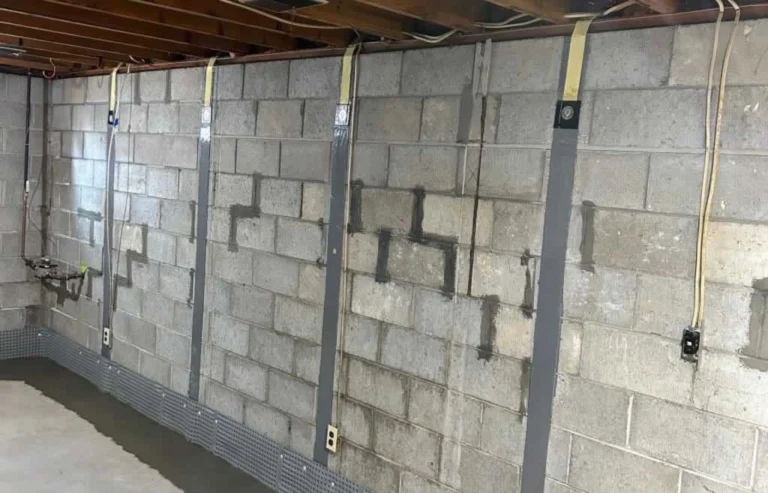
Basements in Toronto take more abuse than most homeowners realize. Between the city’s heavy clay soils, dramatic seasonal temperature swings, and the relentless freeze-thaw cycles that stress concrete through winter, it is almost inevitable that a basement will develop some moisture issues over its lifetime. The key is catching them early. Whether you handle home…
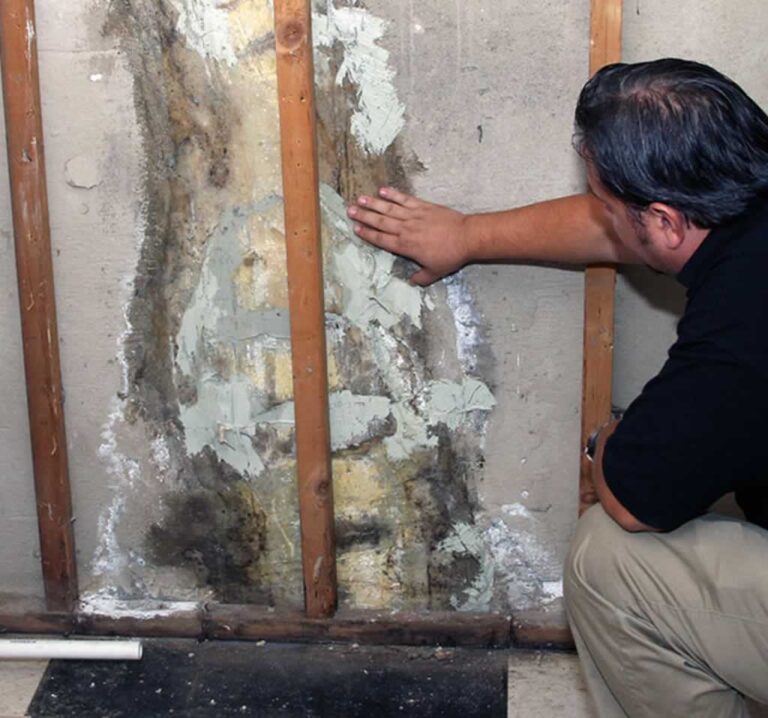
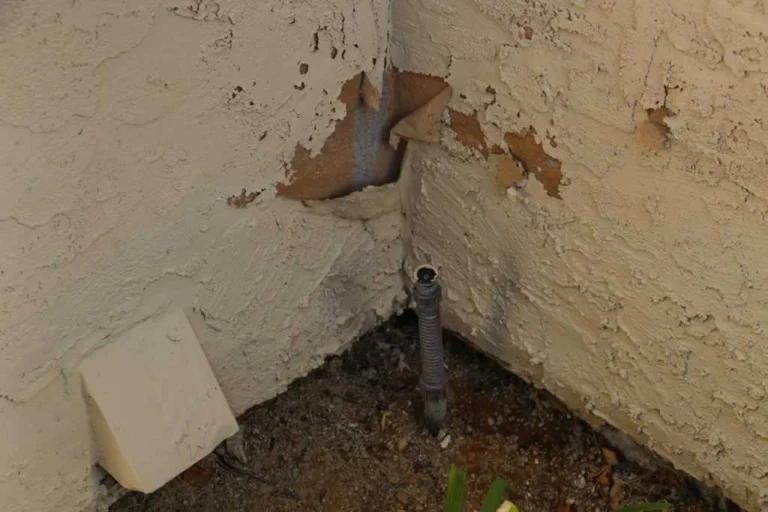
Stucco water damage is sneaky because the worst of it usually hides where you can’t see it. I think about a client’s house every time this topic comes up. From the curb, the home looked flawless. Clean walls, fresh paint, no obvious cracks. But there was a faint musty smell inside that nobody could explain….
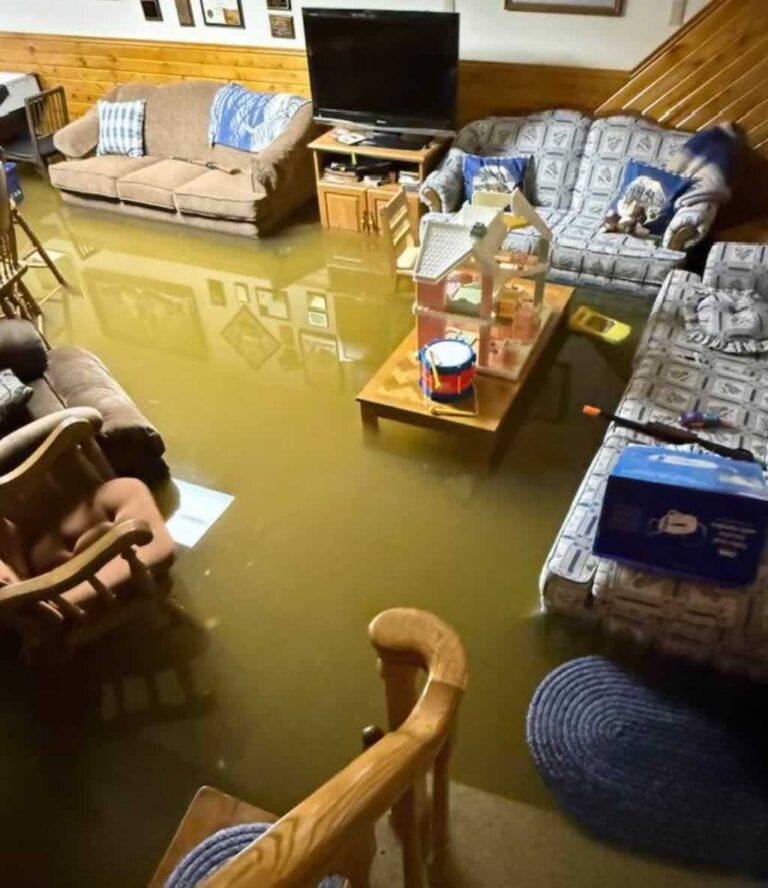
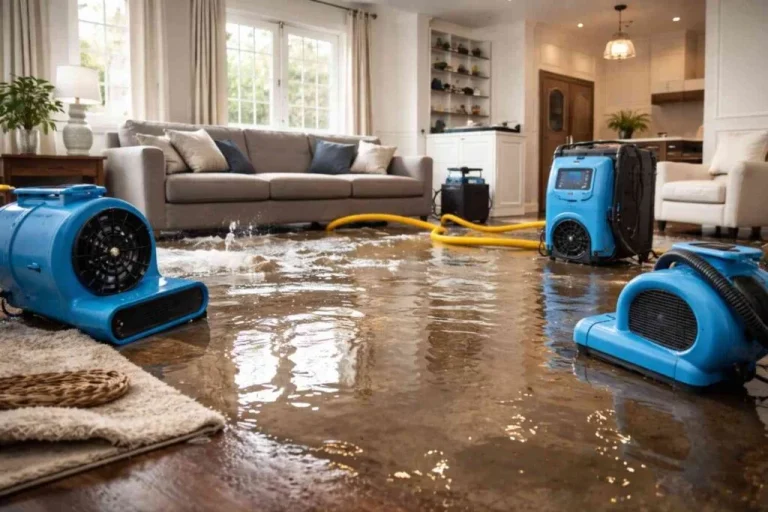
A flooded home is one of those situations that instantly turns your routine upside down. Whether it’s caused by heavy rain, a burst pipe, or a failed appliance, the first 24 hours are critical. What you do during this window can significantly reduce damage, prevent mold, and make the recovery process smoother. If you ever…
Water damage is one of the most common and costly issues homeowners face across the United States. In Apex, North Carolina, a combination of seasonal storms, humidity, and aging home systems can increase the risk of unexpected water problems. From minor leaks to major flooding, water damage can quickly escalate if not addressed early. Understanding…
When water shows up where it shouldn’t, most homeowners react fast — and that’s a good thing. Towels come out, fans get plugged in, windows open, maybe even a wet/dry vacuum makes an appearance. It feels productive. It feels under control. And sometimes, it actually is. But here’s the uncomfortable truth: a lot of water…
Property damage has a special talent for happening at the worst possible time. It rarely waits for a quiet Tuesday afternoon when you’re fully caffeinated and emotionally prepared. More often, it shows up at 11:40 p.m., during a storm, or right before guests arrive. Whether it’s a burst pipe, a soaked ceiling, or a kitchen…
Water and fire damage are among the most devastating events a homeowner or business owner can face. A burst pipe, sudden flooding, electrical fire, or kitchen accident can cause severe damage within minutes. Water spreads quickly through floors and walls, while smoke and soot from fires can contaminate surfaces and indoor air. For property owners…
More about Water damage
The first hours matter most. Our articles explain what to do immediately after discovering water damage: stop the source if you can, shut off the main water supply if needed, switch off electricity to affected areas only if it is safe to do so, move valuables to a dry place and document everything with photos for insurance. Never enter standing water if electrical outlets or appliances may be submerged.
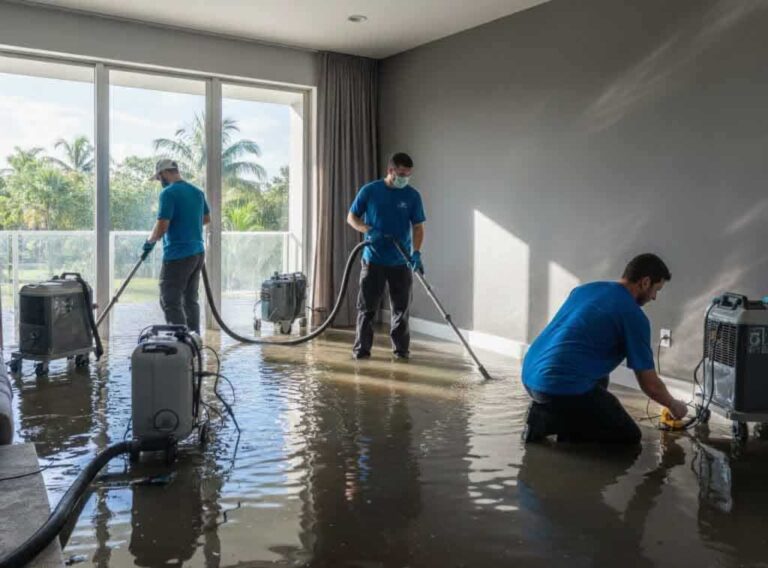
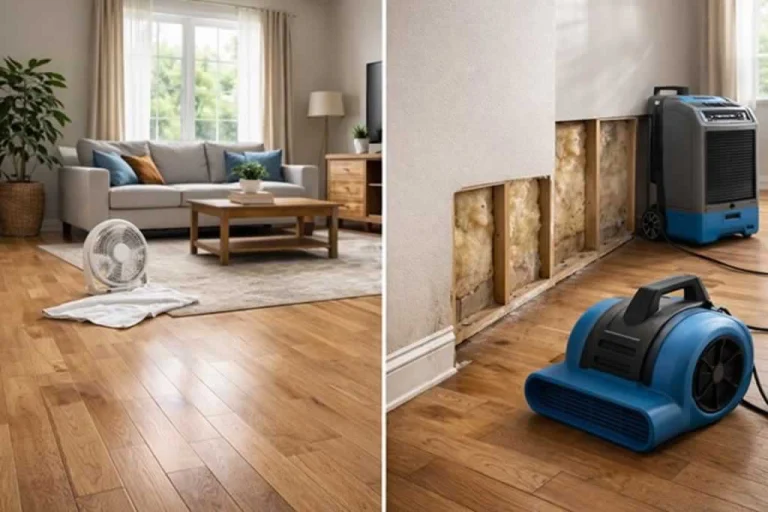
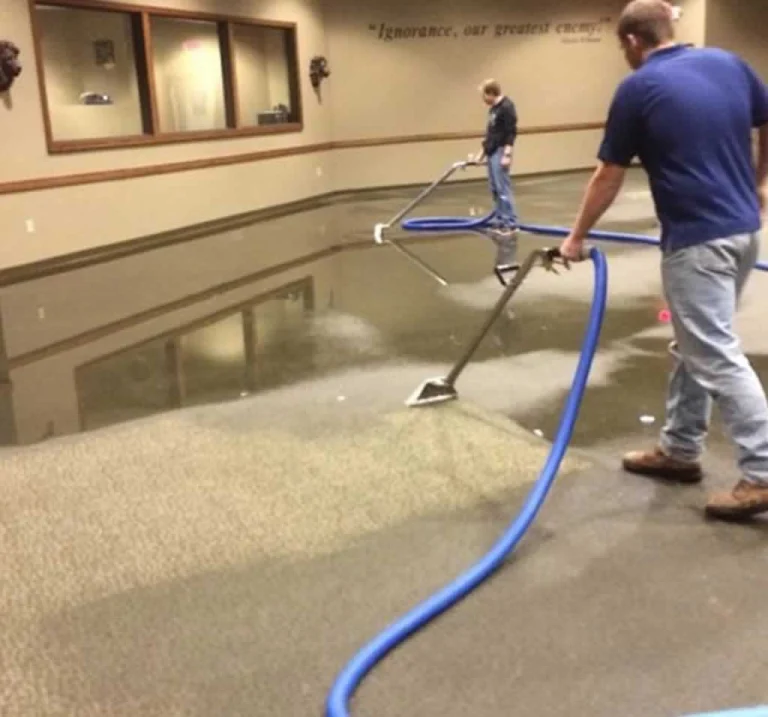
Drying out properly is essential. We explain how to remove standing water, use fans and dehumidifiers, open up wet wall cavities when necessary and monitor moisture levels. Materials like drywall, insulation and carpet padding that stay wet for more than a day or two often need to be removed to prevent mold. Our guides explain when professional water damage restoration is worth the cost, especially for large areas, contaminated water or hidden moisture.
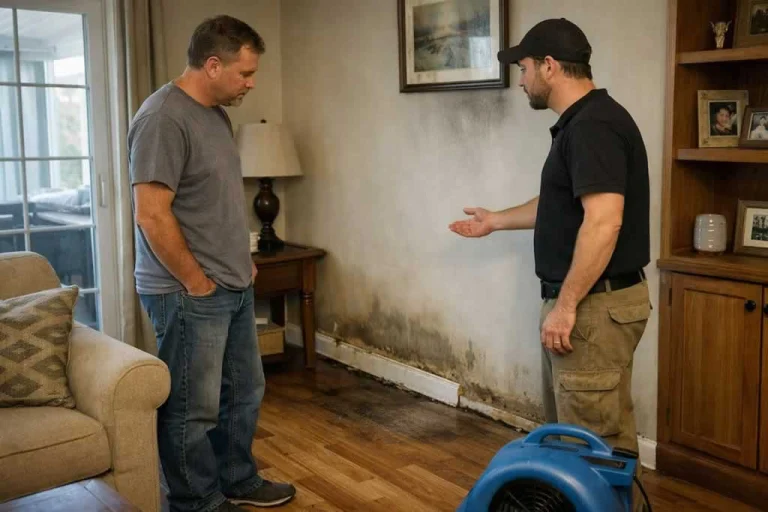
Mold prevention goes hand in hand with drying. We share expert tips to prevent carpet mold after water damage and explain the risks of hidden mold behind stucco and other finishes.
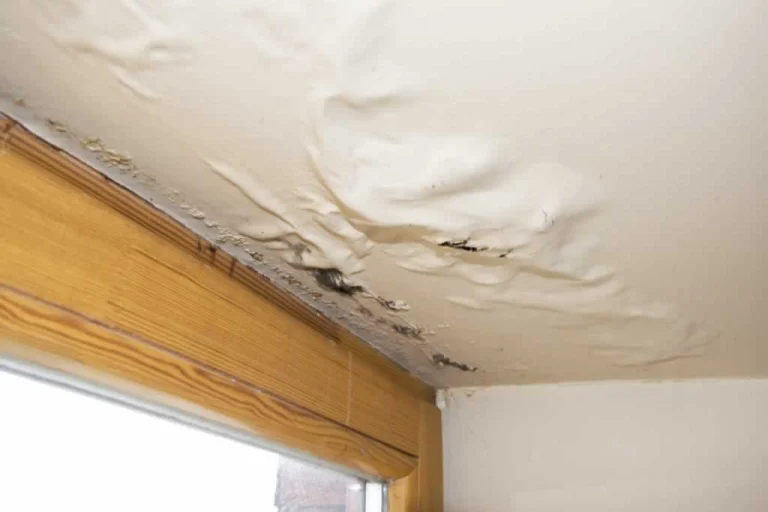
Prevention is the best protection. Our articles cover the top causes of water damage in homes and how to prevent them: inspect and replace appliance hoses, maintain water heaters, keep gutters clear, check roofs and seals, insulate pipes against freezing, test sump pumps and consider water leak detectors and automatic shutoff valves. We also explain the warning signs of a wet basement and the hidden costs of ignoring water problems.
This category is part of our home repairs section and includes a dedicated flood subcategory.