
Building your dream home. Few decisions hit harder — or come with more moving parts. Location scouting, budget locking, finish selections, contractor wrangling. The list doesn’t quit. Whether you’ve never broken ground or you’ve done this before, the same core mistakes keep surfacing. Here are five practical tips that cut through the noise and carry your project from lot purchase all the way to final walkthrough.
Plan Your Budget and Financing
Everything starts here. Before a single lot gets toured or a floor plan gets sketched, you need a hard number — what you can genuinely spend, not what sounds thrilling to imagine. Pull your savings. Talk to a mortgage professional. Understand your real borrowing ceiling. A financial advisor can help you compare loan products. And don’t budget only for lumber and labor — land, permits, inspections, utility hookups all stack up quietly in the background.
Divide your thinking into hard costs and soft costs. Hard costs: materials and labor. Soft costs: architectural fees, engineering, permits, insurance — easy to overlook, brutal to absorb later. Then build in a contingency reserve. Ten to twenty percent. Unexpected complications aren’t a maybe; they’re essentially guaranteed. That buffer is what keeps a nasty plumbing discovery from torching the whole project.
Choose the Right Location and Lot
Location shapes everything downstream. Property value, commute time, school quality, neighborhood character — all of it flows from where you plant the house. Visit your shortlisted areas more than once. Morning traffic feels nothing like Saturday afternoon. Study the physical lot too: slope, drainage, soil conditions. Some lots demand specialized foundations or grading that quietly doubles your site costs before framing even starts.
Zoning rules and building codes deserve serious attention before you sign anything. Setback requirements, height limits, allowable square footage — local regulations constrain what you can actually build on that parcel. Call the building department early. Check flood zone maps. Factor in wildfire or storm exposure where applicable. Discovering a restriction after purchase is an expensive lesson. An entirely avoidable one.
Assemble a Qualified Design and Construction Team
The people you hire matter more than almost anything else. Your architect needs to understand both your aesthetic and your budget — beautiful drawings that can’t be built affordably waste everyone’s time and money. Your general contractor needs proper licensing, active insurance, and a track record you can actually verify. Call references. Ask to see finished projects. A contractor’s reputation is the closest thing to a guarantee you’re going to get.
Depending on your site and design complexity, you may also need structural or mechanical engineers. Complexity demands expertise. But what really kills timelines is poor communication — team members working from different assumptions, nobody flagging conflicts early enough. Clear contracts with defined scope, payment schedules, and deadlines protect every party involved. A coordinated team catches problems while they’re still cheap to solve.
Address Design and Functionality Early
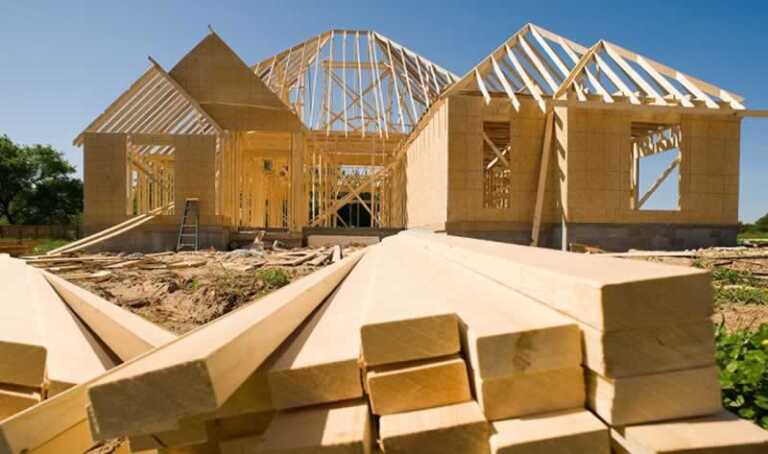
Design isn’t just aesthetics. It’s how your mornings flow, where light lands at noon, whether the mudroom actually holds your family’s gear. Be specific with your architect about how you actually live — do you work from home, host often, have accessibility needs? Those details drive layout decisions in ways that vague “open concept” preferences never will. And here’s the financial reality: changes on paper cost almost nothing. Changes mid-framing cost a fortune.
Bake energy efficiency into the design from day one — not as an afterthought. Insulation levels, HVAC sizing, window orientation, potential solar placement. These choices shape your operating costs for decades. For exterior elements like decking and structural trim, material selection matters enormously. Builders prioritizing natural durability often source redwood lumber for sale — redwood is widely recognized for its dimensional stability and natural resistance to moisture and decay, a reputation supported by the University of California Agriculture and Natural Resources. Build for how your life might change too. Kids grow up. Knees give out. Adaptable design pays off in ways you won’t predict.
Understand the Construction Timeline and Stay Involved
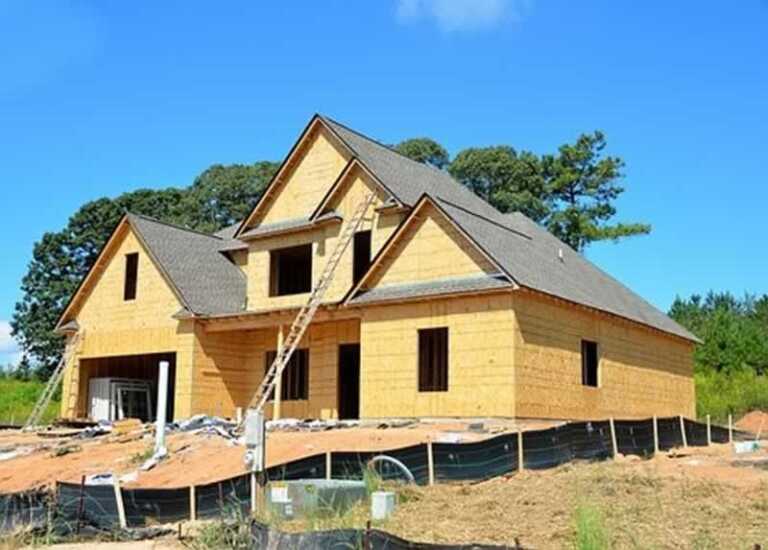
Timelines slip. Weather delays foundation pours. Materials arrive late. Inspectors get backed up. Build that reality into your schedule from day one rather than treating the original date as sacred. Walk the site regularly — not to micromanage, but to see the work firsthand, ask questions, and catch anything that looks wrong before it’s buried behind drywall. Consistent, open communication with your contractor remains the single best tool for keeping momentum.
Attend scheduled inspections. Municipal inspectors confirm code compliance; that protection follows you long after the crew moves on. Document everything — decisions, change orders, payment receipts, any conversation touching scope changes. A paper trail isn’t paranoia. It’s protection. Stay present through every phase. Your attention is what ensures the finished house actually matches what you agreed to build.
Conclusion
Building a home is genuinely complex. But manageable — when you approach it methodically. Nail the budget first. Pick the right lot. Hire people who actually know what they’re doing. Design for how you live, not some idealized version of it. Then stay involved: present, informed, asking questions. Each of these five areas directly shapes what you end up with. Put in the time during planning and construction, and the payoff is a home that fits your life and holds its value. Skip the groundwork, and you’ll be paying for it long after move-in day.



Hi,
floor plans and structural scope are the absolute must. It all starts with there and that will determine your budget for other stages as well.
Regards,
The Handyman tips team!
Deciding the finish schedule early would make the dream-home budget more dependable. I would price allowances for undecided selections separately and keep an explicit record of exclusions. Which choices do you recommend settling before contractors prepare their first detailed quotations?