Every home needs repairs eventually. Walls crack, roofs leak, storms cause damage and systems wear out. Knowing how to handle common repairs, and when to call for help, saves money and prevents small problems from becoming big ones. This category brings together practical home repair guides for homeowners and DIYers.
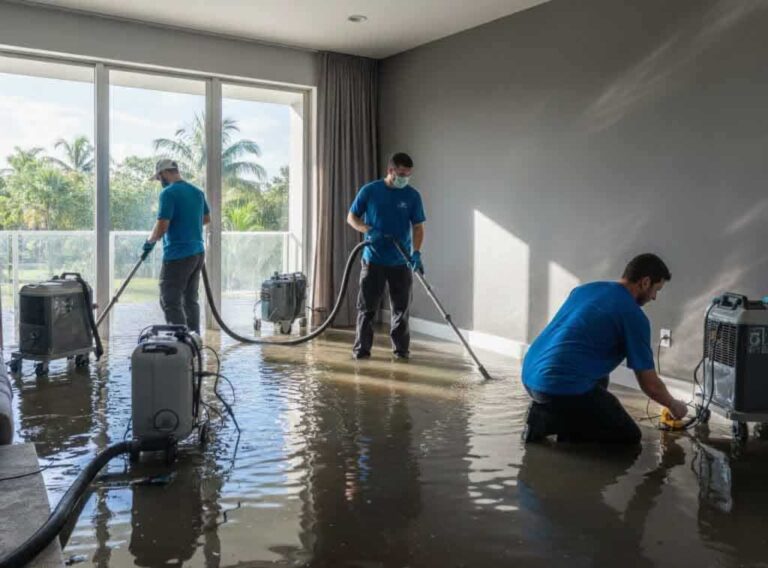
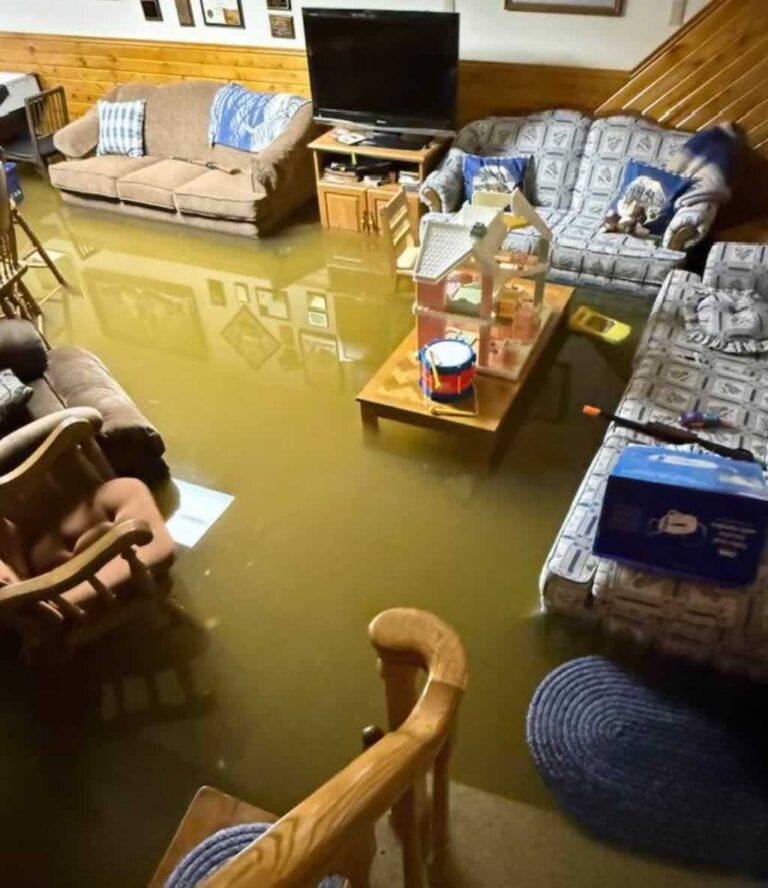
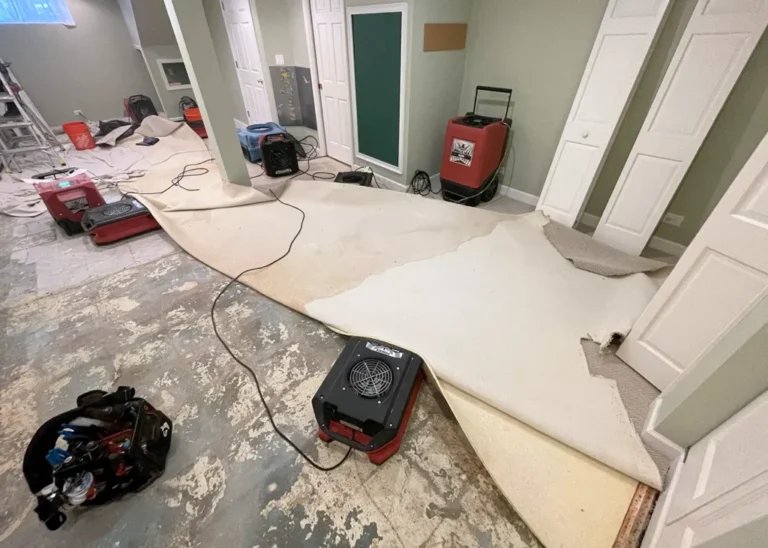
A home flood can leave behind more damage than what is visible on the surface. Water may spread beneath flooring, soak into drywall, collect inside cabinets, and reach areas that are difficult to inspect. Even after the standing water disappears, moisture can remain trapped inside building materials. That is why water extraction in El Paso…
Do it yourself when the work is cosmetic, reversible and needs no permit: paint, trim, hardware, fixtures that swap one-for-one. Hire a licensed general contractor when the job needs a permit, touches plumbing, electrical or structure, or hides water behind a finished surface. Decide before demolition, because a half-gutted room is the hardest job to…
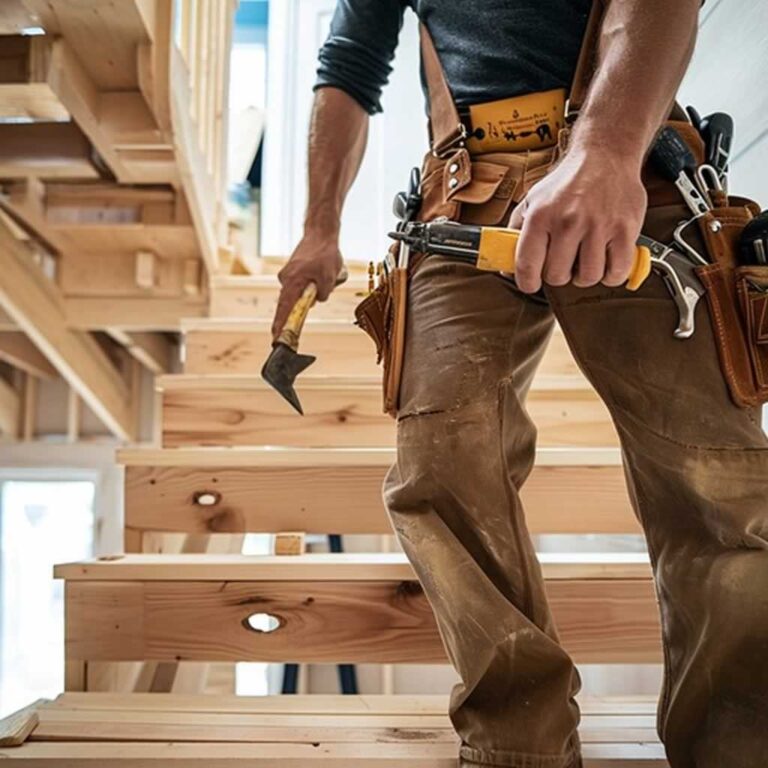
Most homeowners have a running list of small repairs they plan to get to “someday.” The squeaky stair, the door that catches, the deck board that has seen better days. It is tempting to handle these things yourself, and honestly, some of them you can. But there is a line where a weekend project stops…
Discovering water inside your home can be stressful, especially when you are unsure where it came from or how far it has spread. A leaking pipe, overflowing washing machine, damaged roof, or flooded basement can quickly affect flooring, drywall, furniture, and personal belongings. Knowing when to seek water damage restoration in Catonsville, MD and which…
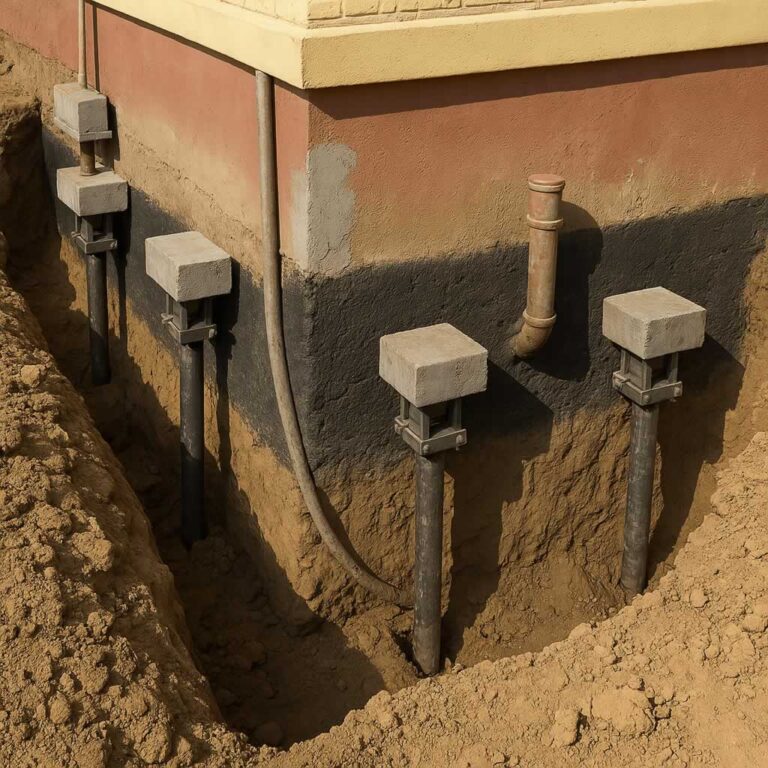
On paper, underpinning looks like a niche scope. In practice, it shows up on more projects than most estimators expect, and it rarely shows up at a convenient time. A renovation adds a basement level. A tower crane pad goes in next to an occupied building. A new addition stacks loads onto footings that were…
Flooding can be one of the most devastating events a homeowner experiences. In addition to visible water damage, floods can affect structural components, electrical systems, flooring, furniture, and personal belongings. Acting quickly after a flood is critical because water damage becomes more severe the longer moisture remains in the home. By taking the proper steps…
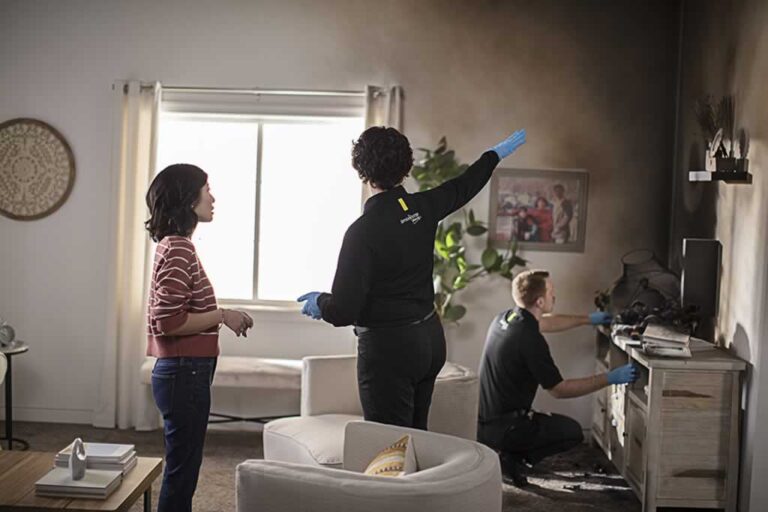
Property damage can occur unexpectedly due to water intrusion, mold growth, fire damage, or severe weather events. When these situations arise, many property owners are tempted to handle cleanup and repairs themselves to save money. However, remediation often involves far more than removing visible damage. Hidden moisture, structural concerns, and contamination can create long-term problems…
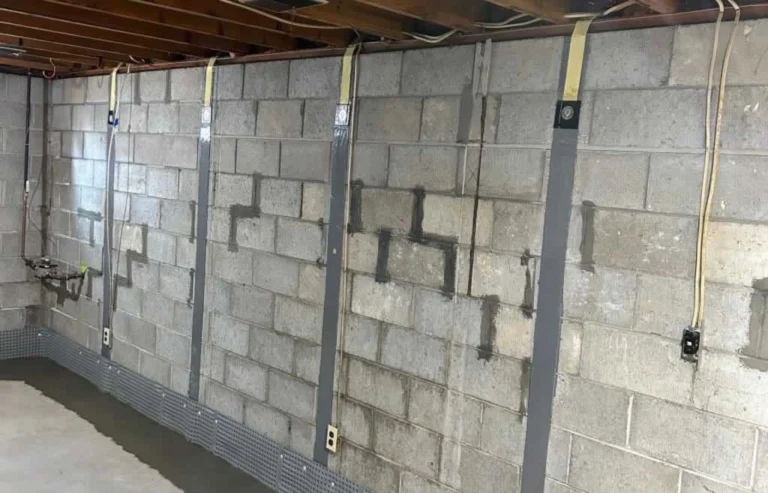
Basements in Toronto take more abuse than most homeowners realize. Between the city’s heavy clay soils, dramatic seasonal temperature swings, and the relentless freeze-thaw cycles that stress concrete through winter, it is almost inevitable that a basement will develop some moisture issues over its lifetime. The key is catching them early. Whether you handle home…
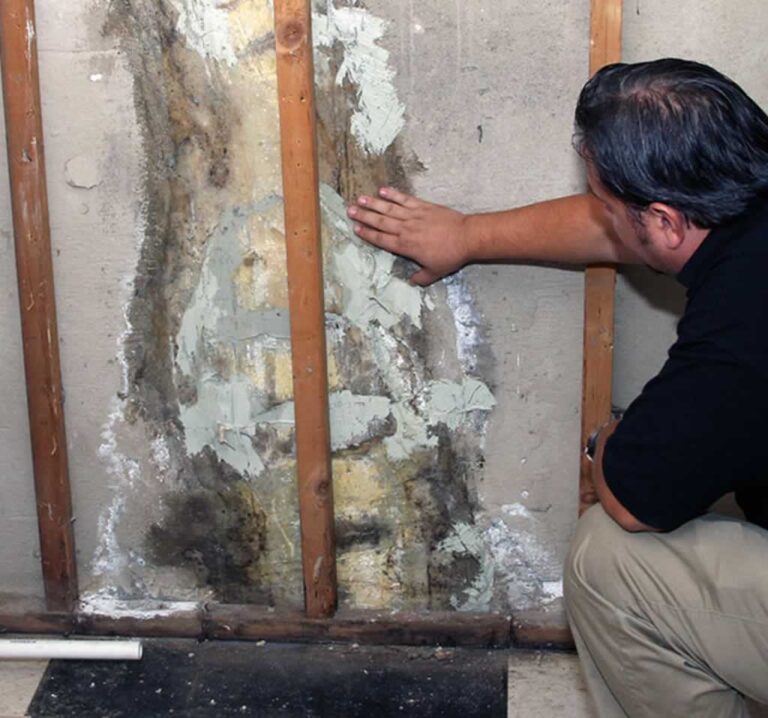
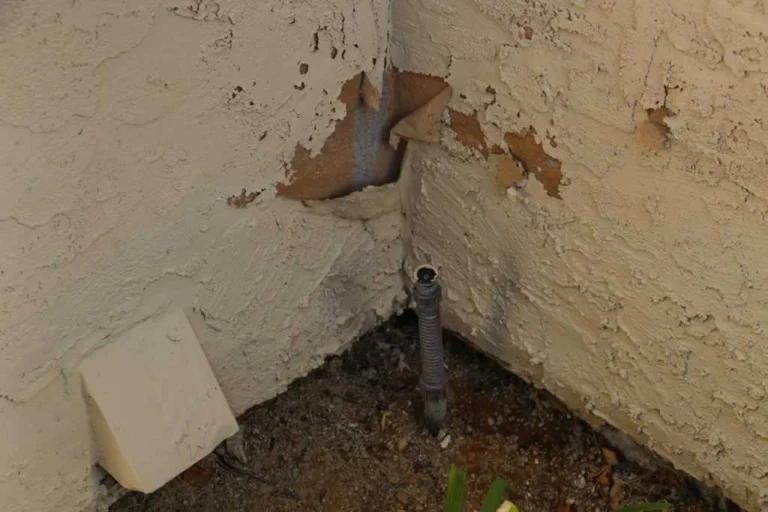
Stucco water damage is sneaky because the worst of it usually hides where you can’t see it. I think about a client’s house every time this topic comes up. From the curb, the home looked flawless. Clean walls, fresh paint, no obvious cracks. But there was a faint musty smell inside that nobody could explain….
When disaster strikes, selecting the right emergency restoration company can make the difference between a smooth recovery and a costly, stressful experience. Whether dealing with water damage, fire destruction, mold growth, or storm-related issues, property owners need a restoration partner that can respond quickly, work efficiently, and deliver reliable results. Understanding what to look for…
More about Home repairs
Many repairs are well within reach of a careful homeowner. Our articles cover fixing concrete wall cracks, patching drywall, repairing trim and doors, waterproofing problem areas such as cement ceilings, and tracking down leaks, including unusual ones like water entering through a TV aerial. Each guide explains the tools and materials you need, the steps involved and how to tell whether the underlying cause has been fixed rather than just the symptom.
Some situations call for fast action. After storms, floods, fires or burst pipes, our guides explain where to start, from safety checks and documentation for insurance to clearing debris and preventing further damage. We explain what emergency restoration services do, why quick action makes a difference in any restoration scenario, and why hiring professionals for remediation work is important when damage is extensive, hidden or involves mold, sewage or structural concerns.
We also help you deal with the unexpected. Renovation projects often uncover hidden problems such as rotten framing, outdated wiring or concealed water damage, and our home repair guidebook explains how to assess these issues and adjust plans and budgets.
Safety runs through all of our repair advice. Turn off power or water before working on related systems, use proper protective equipment and avoid working at height without the right equipment. Gas, electrical, structural and major plumbing repairs should be left to licensed professionals.
This category is the parent of four focused sections. Home maintenance covers preventive care and checklists, water damage covers leaks and flooding, foundation repair covers cracks and structural issues, and handymen covers hiring help for repairs around the house.