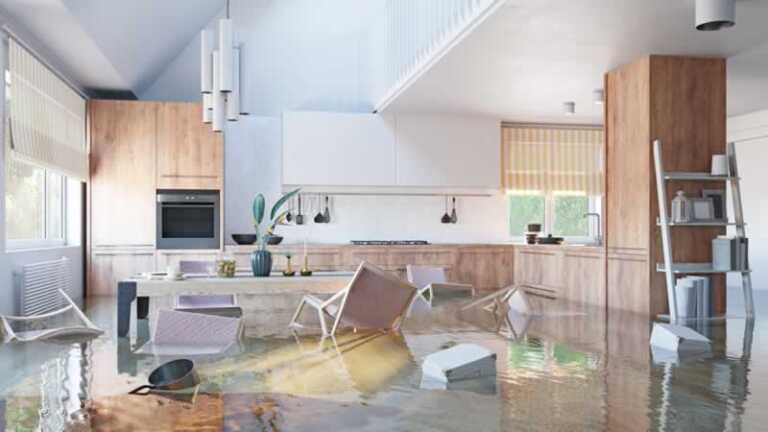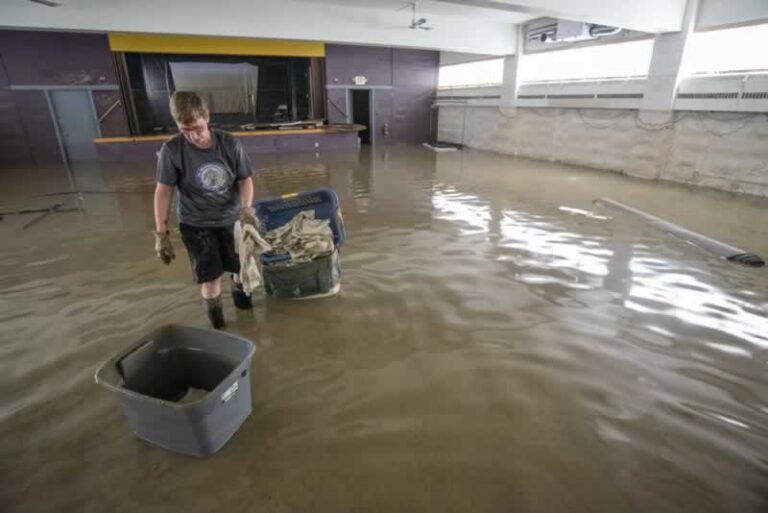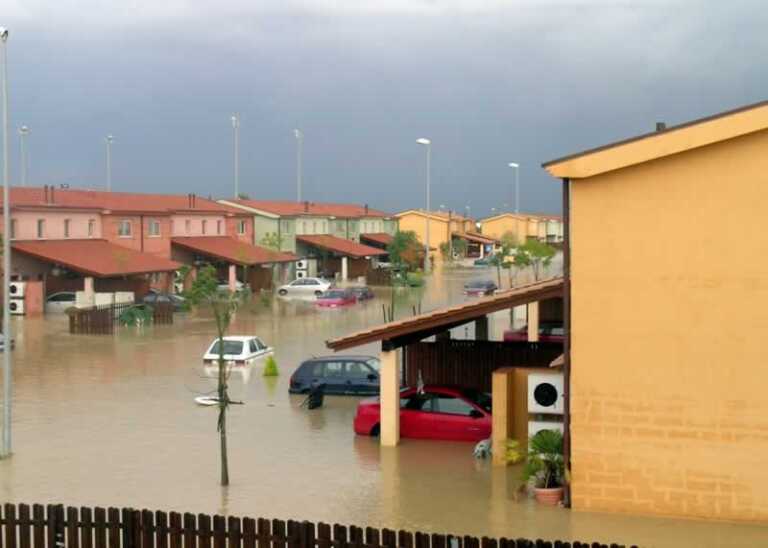
A home flood can leave behind more damage than what is visible on the surface. Water may spread beneath flooring, soak into drywall, collect inside cabinets, and reach areas that are difficult to inspect. Even after the standing water disappears, moisture can remain trapped inside building materials. That is why water extraction in El Paso should be handled promptly by trained restoration professionals who have the right equipment and experience to manage the damage safely.
Taking quick action can help protect your property, reduce repair costs, and prevent problems from developing over the following days. Here is why professional water extraction matters after a home flood.
1. Removes Water Faster and More Thoroughly
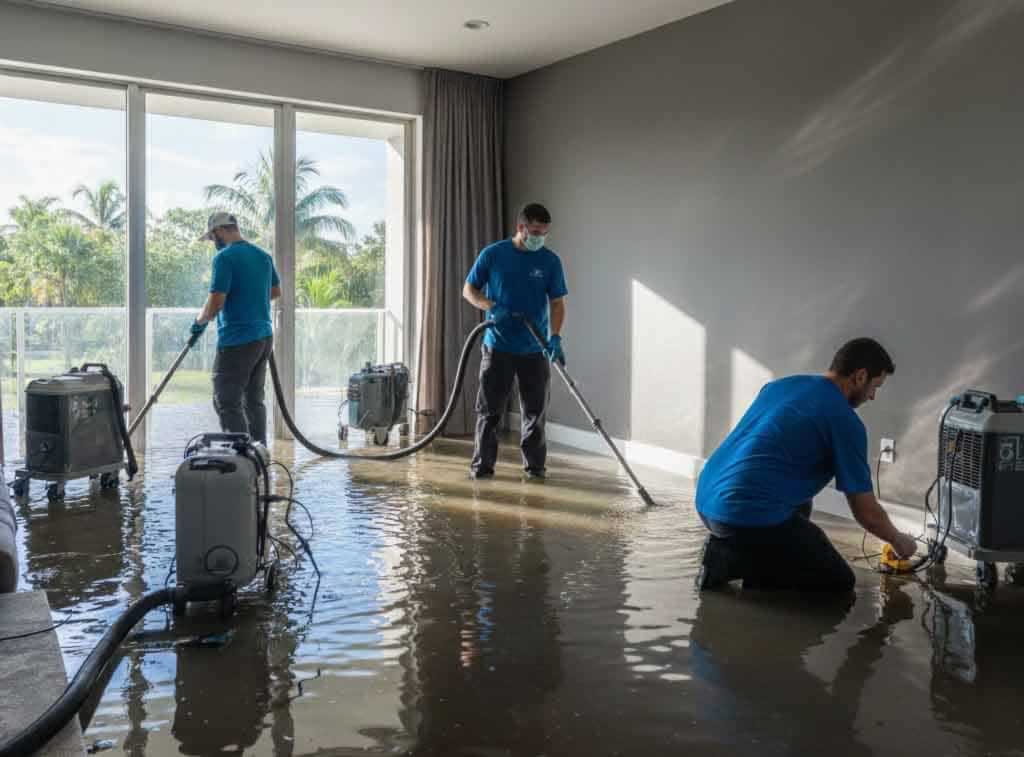
After a flood, removing visible water with towels, buckets, or household equipment is rarely enough. Water can travel into carpet padding, floor gaps, insulation, and other porous materials. These hidden pockets of moisture can continue damaging your home even when the rooms appear dry.
Professional restoration teams use powerful extraction equipment designed to remove large amounts of water efficiently. Their equipment can reach deeper into affected surfaces than ordinary household tools. Removing water quickly also gives the restoration process a better starting point and reduces the time materials remain saturated.
2. Helps Prevent Mold Growth
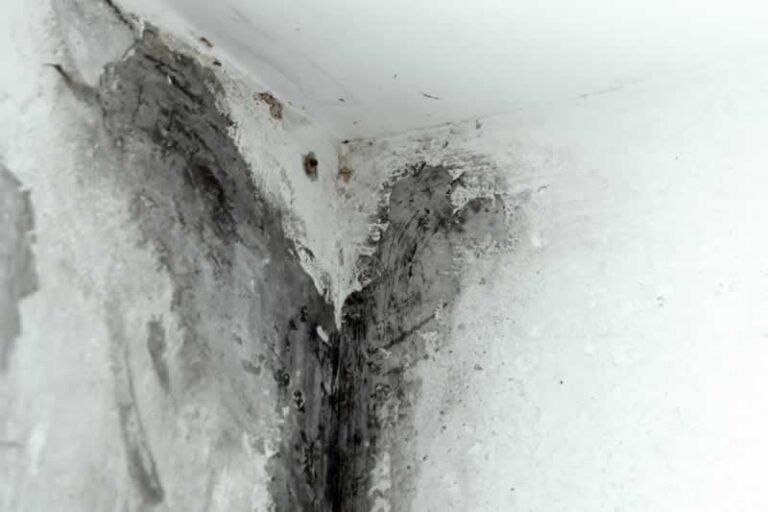
Moisture left inside a home creates conditions that can encourage mold growth. Mold may begin developing on damp materials within 24 to 48 hours, depending on the conditions. Warm temperatures, limited airflow, and persistent humidity can make the problem worse.
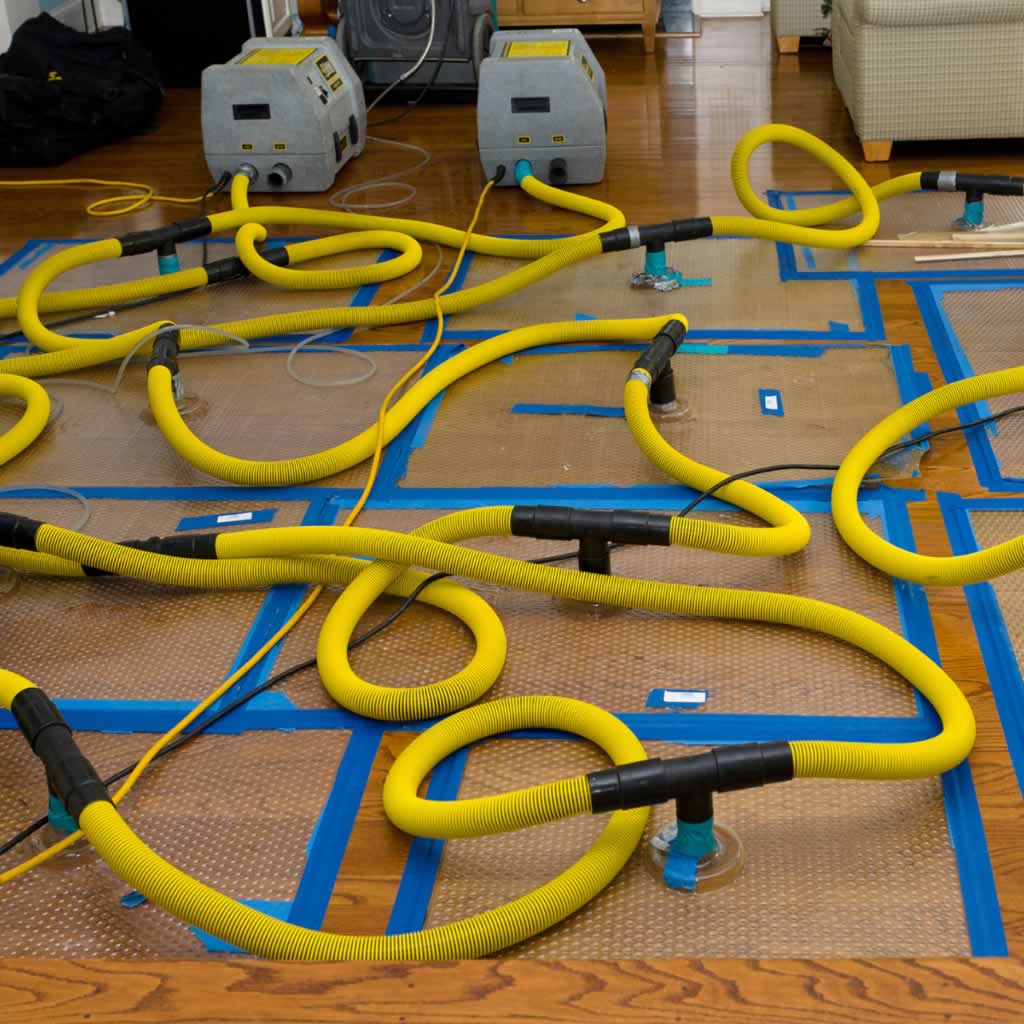
Professional extraction removes excess water before the moisture problem spreads. Restoration technicians can also use commercial dehumidifiers and air movers to dry affected areas. If mold is already present, additional assessment and appropriate remediation may be necessary.
Simply opening windows or running a household fan may not be enough, especially when moisture has reached wall cavities or flooring.
3. Protects Floors, Walls, and Structural Materials
Water can weaken many common building materials. Hardwood flooring may swell or warp, laminate can separate, drywall may soften, and wooden framing can absorb moisture. If these materials stay wet for too long, the damage may become more expensive to repair.
Professional extraction helps limit the amount of time water remains in contact with these surfaces. Technicians can inspect affected areas, identify materials that need additional drying, and determine whether certain items can be saved.
Early intervention does not guarantee that every material can be restored, but it can improve the chances of preventing unnecessary replacement.
4. Identifies Hidden Moisture
One of the biggest challenges after a home flood is finding water that cannot be seen. Moisture may remain behind baseboards, beneath flooring, inside cabinets, or behind drywall. These areas can be overlooked during a basic cleanup.
Restoration professionals use moisture meters and other inspection equipment to check affected materials. Thermal imaging may also help identify temperature patterns associated with possible moisture, although findings often require confirmation with appropriate testing.
Finding these hidden areas matters because drying only the visible surfaces can leave moisture trapped elsewhere. A thorough inspection helps create a more complete drying plan.
5. Reduces the Risk of Long-Term Odors and Damage
Standing water and damp materials can produce unpleasant odors as they remain wet. Carpets, upholstery, wood, and other porous surfaces may absorb contaminants and develop persistent smells. In some situations, floodwater may also contain sewage, chemicals, or other harmful substances.
Professional restoration teams assess the type of water involved before deciding how to handle affected materials. Clean water from a supply line requires a different response from contaminated floodwater. Depending on the situation, certain materials may need specialized cleaning or disposal.
Proper extraction, cleaning, and drying can help prevent lingering odors and reduce the likelihood of further deterioration.
6. Supports a More Organized Insurance Claim
Flood damage can involve several rooms, different building materials, and multiple repair expenses. Keeping accurate records from the beginning can make communication with your insurance company easier.
Before cleanup begins, photograph and record visible damage when it is safe to do so. Keep receipts for emergency expenses and maintain copies of estimates, inspection reports, and restoration invoices. Professional restoration companies may also provide documentation of affected areas, moisture readings, and completed work.
Remember that coverage depends on your specific policy and the cause of the water damage. Standard homeowners insurance policies often exclude certain types of flooding, so review your coverage and contact your insurer promptly.
Why Acting Quickly Makes a Difference
Delaying water extraction can allow moisture to spread into additional materials and create more complicated restoration work. What begins as a flooded room may eventually involve flooring, walls, insulation, and structural components.
If your home has experienced flooding, prioritize safety before entering affected areas. Avoid electrical equipment and standing water if there is any possibility of electrical hazards. Stay away from areas with structural damage, and contact emergency services when necessary.
Once the property is safe to access, arrange a professional inspection and begin the extraction process as soon as possible. A restoration team can assess the damage, remove excess water, and recommend the drying and repair work required.
Protect Your Home After a Flood
A flooded home needs more than a quick cleanup. Water can remain hidden long after visible puddles are gone, creating conditions that lead to mold, material deterioration, and expensive repairs. Professional water extraction helps address the problem at its source by removing excess water and supporting a controlled drying process. Acting early, documenting the damage, and working with qualified restoration professionals can make recovery more manageable. The sooner the affected areas are properly assessed and dried, the better your chances of protecting your home and avoiding additional damage.