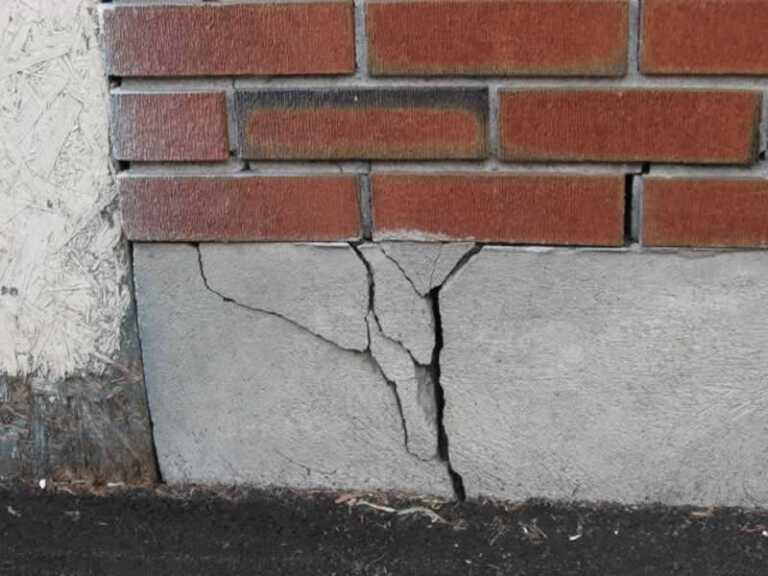
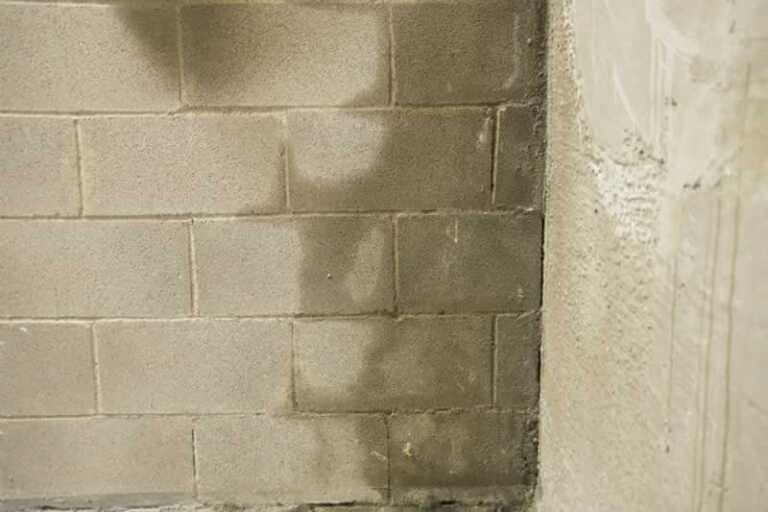
Your foundation supports everything else in your home, so problems below ground can show up as cracks, sticking doors, uneven floors and water in the basement. The good news is that most foundation issues develop slowly, and catching them early usually makes repairs simpler and less expensive. This category brings together guides that help you understand foundation problems and decide what to do about them.
On paper, underpinning looks like a niche scope. In practice, it shows up on more projects than most estimators expect, and it rarely shows up at a convenient time. A renovation adds a basement level. A tower crane pad goes in next to an occupied building. A new addition stacks loads onto footings that were…
A home’s foundation is one of its most important structural components, acting as the foundation for the entire structure. Different elements like soil movement, water damage, and natural wear and tear over time can weaken the integrity of a foundation and cause obvious cracks, uneven flooring, and other structural problems. Anyone wishing to keep their…
A house is only as strong as its foundation. The foundation carries the weight of the entire home, which makes it crucial to inspect and maintain. However, when you discover cracks in your foundation, you may feel concerned. While some cracks may be harmless and easy to fix, others might signal more severe structural issues….
There are many structural engineering companies in Denver that do not provide home services. For those that do offer residential structural engineering services, it is important to understand the residential market and the homeowner. The majority of the work they do for private customers begins with an onsite engineering examination. Licensed structural engineers inspect the…
According to a recent report, ‘88 percent of homeowners did a major home repair in the last year’. While this is necessary to keep your residential or commercial property in good order, studies suggest that the amount that we’re spending each year on repairs is gradually rising. This is because consumers do not properly research…
Did you know that the average age of a home in the United States is 37 years? The average age of a home varies depending on where it is purchased, with homes in the northeast being older. Issues such as foundation cracks are more prone to occur in older homes. Every home’s Foundation settles over…
When you have a foundation problem, you want to make sure you know as early as possible. Draper Realty says, the earlier you catch foundation problems, the more likely you are to be able to fix it without seriously invasive and difficult measures. If you’re dealing with foundation problems, you need to know early on,…
The sound of needing repairs in your home foundation can be very intimidating. The overwhelming anxiety you feel when you don’t know what to look for or how will it be repaired and even more what the cost is going to be. Weakening home foundation signs don’t only appear on the ceilings and floors. They can…
When you are building a foundation or repairing one, you may need to turn to helical piers for added stability. Architects and engineers use them when deep foundations need digging for massive buildings or unusual soil conditions. There are several advantages to using helical piers that go beyond their basic ability to provide added strength…
Homeowners have a lot of responsibility in keeping up with their homes. Typically we worry about the appearance of our home and performing routine maintenance to our house. One of the most troubling things that we must keep a close eye on is the foundation of our homes. The foundation of your homes helps ensure…
More about Foundation repair
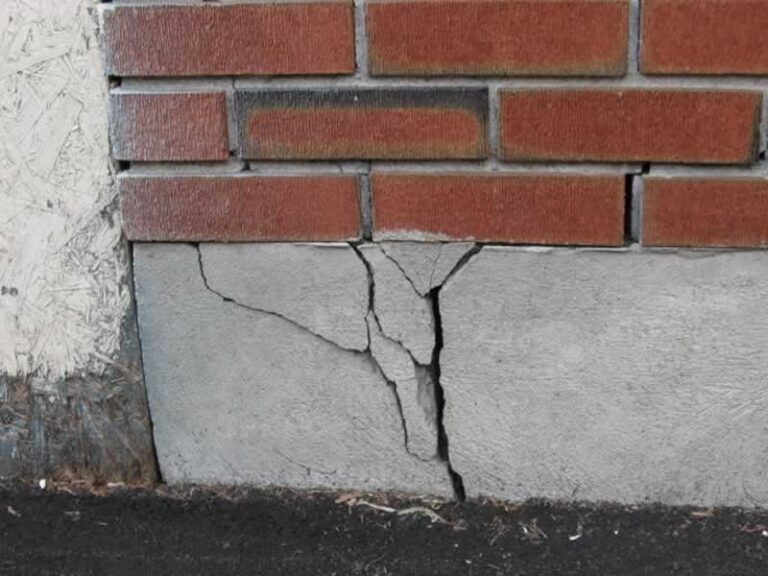
Cracks are the most common concern. Our articles explain the difference between hairline shrinkage cracks, which are common in concrete and often cosmetic, and more serious signs such as wide cracks, cracks that keep growing, horizontal cracks in basement walls, stair-step cracks in block or brick, and cracks combined with displacement. We show you how to monitor cracks over time by marking and measuring them, so you can give a professional useful information.
Other warning signs matter too. Doors and windows that suddenly stick, gaps between walls and ceilings, sloping floors, separated trim and moisture or musty smells in a basement can all point to foundation movement or water problems. Our guides cover how to detect foundation water leaks and signs of leaks around your home’s foundation.
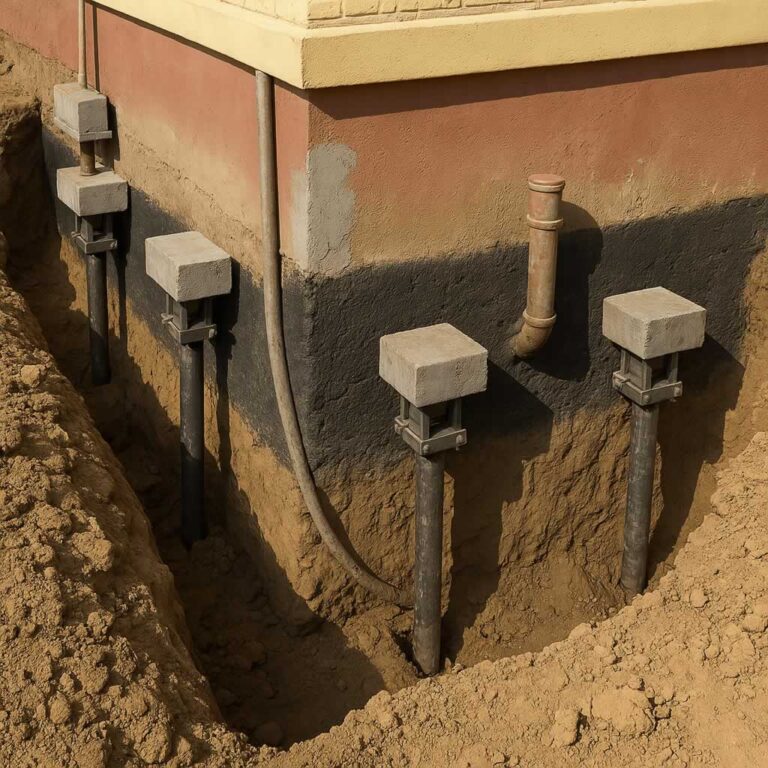
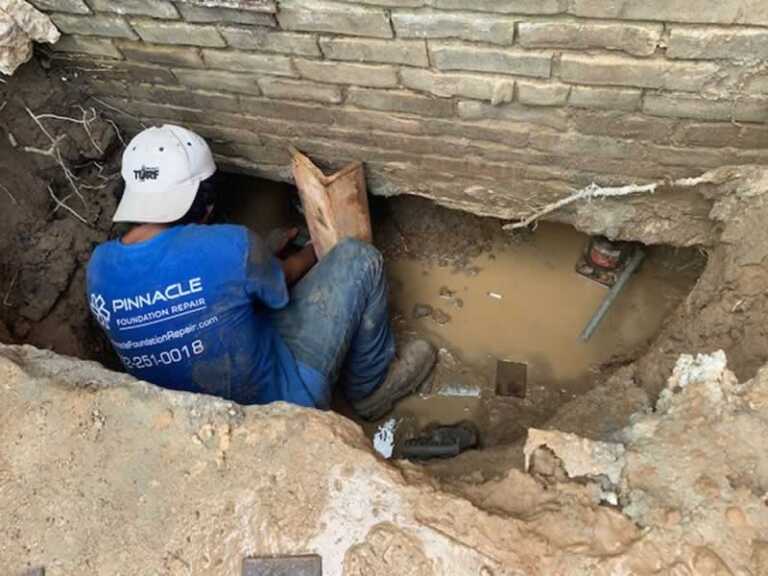
When repairs are needed, it helps to understand the options. We explain common methods such as sealing and injecting cracks, improving drainage, installing helical piers, and underpinning, including when engineers and owners typically consider underpinning necessary. Understanding these methods helps you compare quotes and ask informed questions.
Timing matters. Our articles explain how prompt foundation repair can save money by preventing secondary damage to walls, floors, plumbing and finishes. For any significant movement, structural cracks or water intrusion, we recommend an inspection by a structural engineer or reputable foundation specialist before deciding on repairs.
Prevention is often about water. Keeping gutters clear, extending downspouts, grading soil away from the house and maintaining consistent moisture around the foundation all help. This category is part of our home repairs section, alongside water damage and home maintenance guides.