Joinery is the art of connecting pieces of wood so they are strong, stable and attractive. The right joint can make furniture last for generations, while the wrong one can loosen, crack or fail under load. This category brings together guides on the most important woodworking joints, how they work and how to cut them accurately.
Whether you’re a seasoned woodworker or an enthusiastic DIYer, understanding the various types of joints is essential for creating sturdy and visually appealing projects. In this guide, we’ll delve into the world of bridle joints, exploring their different variations and providing you with practical examples of when and how to use them. From traditional woodworking…
Are you a woodworking enthusiast looking to elevate your craft? Understanding box woodworking joint types and their practical uses is a key skill for any avid woodworker. In this comprehensive guide, we will dive deep into the world of box woodworking joints, providing you with everything you need to know to create strong and beautiful…
Woodworking enthusiasts understand the importance of strong and durable joints when it comes to constructing furniture, cabinets, or other wooden structures. Among the various types of joints, lap joints have gained immense popularity due to their versatility and strength. This article explores the many applications and benefits of lap joints in woodworking. Lap joints involve…
Are you tired of sloppy joints that never quite fit together? Do you dream of creating seamless, professional-looking woodworking projects? In this comprehensive guide we will teach you how to make the perfect butt joints. Whether you’re a novice woodworker or a seasoned pro, mastering the art of butt joints is essential for creating strong…
Are you a DIY enthusiast or a woodworking lover? If so, you’ll know that mastering the art of miter joint cutting is essential for creating seamless and professional-looking woodworking projects. Whether you are tackling crown molding, picture frames, or building furniture, understanding the intricacies of miter joints will elevate your craftsmanship to new heights. In…
Are you ready to take your woodworking skills to the next level? In this comprehensive article, we will provide you with the knowledge and techniques you need to become a true woodworking joinery master. Whether you’re a beginner looking to sharpen your skills or an experienced woodworker in need of a refresher, this guide has…
In the realm of woodworking, the dovetail joint has long been regarded as the epitome of skill and craftsmanship. With its distinctive interlocking design, this joint not only enhances the structural integrity of furniture but also adds a touch of elegance and artistry to the finished piece. In this article, we delve into the art…
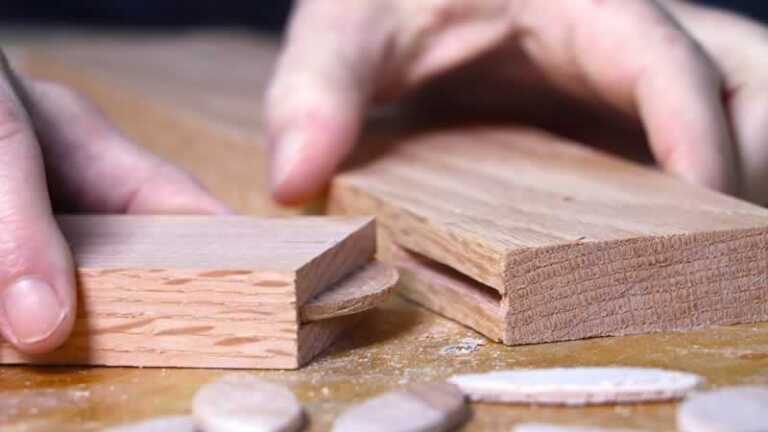
Are you a woodworking enthusiast looking to enhance your joinery skills? If so, you’ve come to the right place. In this comprehensive guide, we will take you through the fundamentals of biscuit joinery and equip you with the knowledge and techniques to master this timeless woodworking method. Biscuit joinery, also known as plate joinery, involves…
Are you a woodworking enthusiast looking to enhance your craftsmanship? If so, mastering the art of dovetail joints is an essential skill to have in your toolkit. With its superior strength and stunning aesthetics, a dovetail joint creates a beautifully aligned connection between two pieces of wood. In this comprehensive step-by-step guide, we will take…
Are you tired of seeing unsightly gaps in your miter joints? Don’t worry, we’ve got you covered! In this article, we will reveal some professional tips and tricks to help you fix those gaps like a pro and achieve seamless, flawless results. Miter joints play a crucial role in creating clean and professional-looking corners in…
More about Joinery
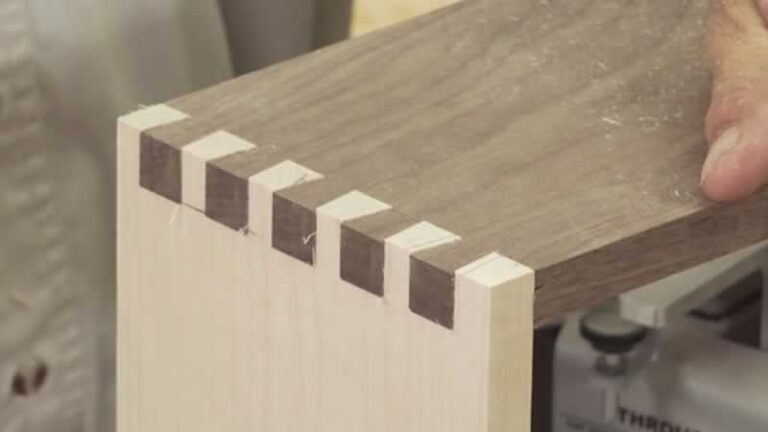
We start with the classics. Our articles explain what a dovetail joint is, why it is so admired in woodworking and how its interlocking pins and tails resist being pulled apart. Our step-by-step guide shows how to cut dovetail joints with hand tools, from preparing and marking the boards to sawing, chiseling and final fitting.
Mortise and tenon joints are another cornerstone of furniture making. We describe the main types, including through, blind and wedged mortise and tenon joints, their advantages and where each one is used, from table legs and rails to frames and doors.
Simpler joints have their place too. Guides on butt joints explain how to make them stronger with glue blocks, dowels, screws or biscuits, while our miter joint articles cover cutting accurate miters and fixing gaps in miter joints. We also cover box joints and bridle joints, with practical applications for boxes, drawers and frames.
Accuracy is the common thread in good joinery. Our tips stress careful marking with a knife and square, sharp chisels and saws, test cuts on scrap wood and dry fitting before glue-up. Taking time at each stage leads to tight, clean joints that need little filling.
Safety matters in the workshop: keep hands behind sharp edges, secure workpieces with clamps or a vise, and wear eye protection when using power tools.
This category is part of our woodworking section, alongside guides on woodturning, wood carving and chainsaw use, and it links to our tools section for the saws, chisels and clamps that joinery requires.