
When water shows up where it shouldn’t, most homeowners react fast — and that’s a good thing. Towels come out, fans get plugged in, windows open, maybe even a wet/dry vacuum makes an appearance. It feels productive. It feels under control. And sometimes, it actually is. But here’s the uncomfortable truth: a lot of water damage problems don’t come from the leak itself — they come from what happens after a well-intentioned DIY cleanup. That’s why many homeowners eventually find themselves calling a professional restoration company in Boston days or even weeks later, wondering how something “handled” turned into a bigger issue. The gap between DIY expectations and reality is where most mistakes happen. Let’s break down what people commonly get wrong — and why it matters.

“If It Looks Dry, It Is Dry”
This is probably the most common assumption — and the most expensive one.
Surfaces dry fast. Structures don’t.
A hardwood floor can feel dry within hours, but moisture may still be trapped underneath. Drywall might look perfectly fine while the insulation behind it is still damp. Even baseboards can hide moisture that slowly spreads into adjacent areas.
Water doesn’t just sit on top of things — it travels. It wicks upward, spreads sideways, and settles into materials that aren’t designed to release moisture quickly.
That’s why professional water damage restoration relies on moisture readings, not visual inspection. Tools like moisture meters and thermal imaging are used to confirm whether drying is complete — not just whether things look better.
DIY cleanup, on the other hand, often stops at “good enough.”
And “good enough” is where hidden problems begin.
“A Few Fans Will Take Care of It”
Airflow helps — but it’s not a complete solution.
Standard household fans move air around. They don’t necessarily remove moisture from the structure. In fact, without proper dehumidification, you can end up redistributing moisture rather than eliminating it.
Professional drying setups are designed differently. They create controlled airflow patterns and pair that with dehumidifiers that actively pull moisture out of the air and materials. It’s less about blasting air and more about managing the environment.
Think of it like drying laundry. A breeze helps, but without removing humidity, things don’t dry fully — they just feel less wet.
In a home, that difference matters a lot more.
“It Was Just a Small Leak”
Small leaks are the most deceptive.
A burst pipe or flooded basement feels serious, so people act quickly and often call for help. But a slow leak under a sink? A minor appliance overflow? A small ceiling stain?
Those feel manageable. Easy. Not urgent.
And that’s exactly why they turn into bigger problems.
Small amounts of water can spread quietly into:
- subflooring
- cabinet bases
- drywall cavities
- insulation
- trim and framing
Because the damage isn’t dramatic, it’s often underestimated. But the longer moisture sits, the more it affects materials — and the higher the chance of secondary issues.
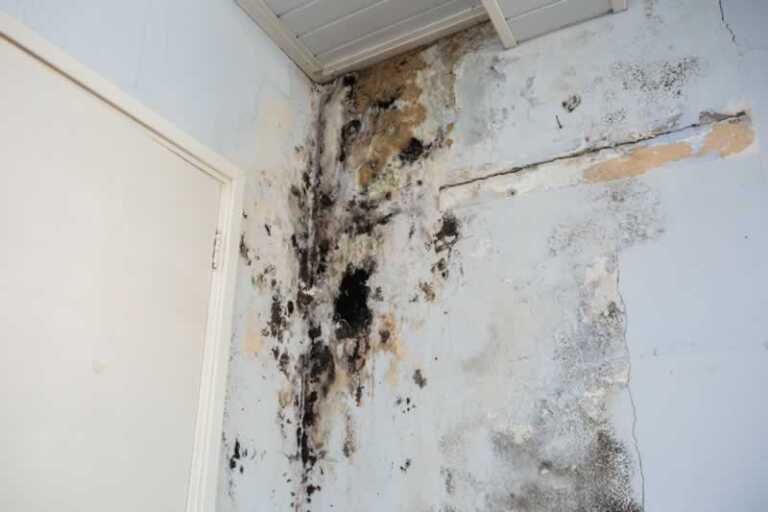
Including mold.

“If There’s No Smell, There’s No Problem”
Smell is a late-stage warning, not an early one.
By the time you notice a musty odor, something has already been damp long enough to support microbial growth. That doesn’t necessarily mean a major contamination problem — but it does mean the timeline has shifted.
The challenge is that mold doesn’t need visible water to grow. It just needs moisture and time.
And it doesn’t always grow where you expect it. Some of the most common areas include:
- behind walls
- under flooring
- inside closets on exterior walls
- around window framing
- behind cabinets and vanities
This is where situations often escalate from simple drying to requiring mold removal services in Boston — not because the original incident was severe, but because the response allowed moisture to linger.
“I’ll Just Keep an Eye on It”
This sounds reasonable. It rarely works.
The problem with “keeping an eye on it” is that most of the risk is hidden. You’re watching the surface, while the actual issue may be developing behind it.
By the time visible signs appear — bubbling paint, soft drywall, discoloration spreading — the underlying materials have already been affected.
Water damage doesn’t usually get worse suddenly. It gets worse quietly.
A better approach is not constant worry, but early verification. Either confirm that everything is truly dry… or assume it might not be.
“DIY Is Always Cheaper”
Short-term, yes. Long-term, not always.
DIY cleanup can absolutely be the right move for very minor incidents — a small spill, a quickly contained leak, something that’s cleaned and dried immediately with no absorption into structural materials.
But once water moves beyond the surface, the cost equation changes.
What starts as:
- a quick cleanup
can turn into:
- flooring replacement
- drywall removal
- odor remediation
- mold treatment
- extended drying and repair
The irony is that many expensive restoration projects begin as attempts to avoid spending money upfront.
That doesn’t mean every situation requires professional intervention. It means the decision should be based on risk, not optimism.
The Reality: Water Damage Is a Process, Not an Event
One of the biggest mindset shifts homeowners need is this:
Water damage isn’t defined by the moment water appears — it’s defined by what happens afterward.
The leak is the trigger. The real impact unfolds over time.
That includes:
- how far the water spreads
- how long materials stay damp
- how quickly drying begins
- whether hidden moisture is addressed
- how the building structure responds
DIY efforts often focus on the event. Professional restoration focuses on the process.
That’s the difference.
What Homeowners Should Do Instead
You don’t need to panic every time water shows up. But you do need a smarter response.
Here’s a practical way to approach it:
Act fast on the source
Stop the water, shut off the supply if needed, and contain the situation.
Remove visible water and protect belongings
Get items off the floor, especially absorbent materials like rugs and cardboard.
Don’t rely on appearance alone
Just because it looks dry doesn’t mean it is.
Watch for subtle changes over the next few days
Pay attention to smell, texture, warping, or discoloration.
Be realistic about what you can’t see
If water likely reached behind walls or under flooring, assume there may be hidden moisture.
When in doubt, verify — don’t guess
A quick assessment can prevent a much bigger issue later.
Conclusion
DIY water damage cleanup isn’t inherently wrong — but it’s often incomplete.
The biggest mistakes don’t come from doing nothing. They come from doing just enough to feel confident, while missing what’s happening beneath the surface.
Water has a way of finding the quietest, least visible places in a home. And once it’s there, it doesn’t need much attention to cause problems — just time.
So the next time something gets wet, don’t just ask, “Does it look dry?”
Ask the better question:
“Is it actually dry — or just temporarily convincing?”
That one distinction can save you a lot of trouble later.


It’s interesting to see how homeowners often underestimate the extent of damage that water can cause. I appreciate the emphasis on quick reaction; it really can feel like you’re in control, but I had no idea that some DIY methods could actually complicate things!