

Stucco water damage is sneaky because the worst of it usually hides where you can’t see it. I think about a client’s house every time this topic comes up. From the curb, the home looked flawless. Clean walls, fresh paint, no obvious cracks. But there was a faint musty smell inside that nobody could explain. When a contractor finally opened the wall, the framing behind the stucco was soaked and dark with mold.
Months of trapped moisture had been quietly rotting the structure. Nobody saw it coming because the surface looked perfect. If you want to catch these problems early, this guide on how to spot stucco water damage before it becomes a major repair is worth reading. That kind of early detection is exactly what saves homeowners thousands.
Why the Damage Stays Hidden
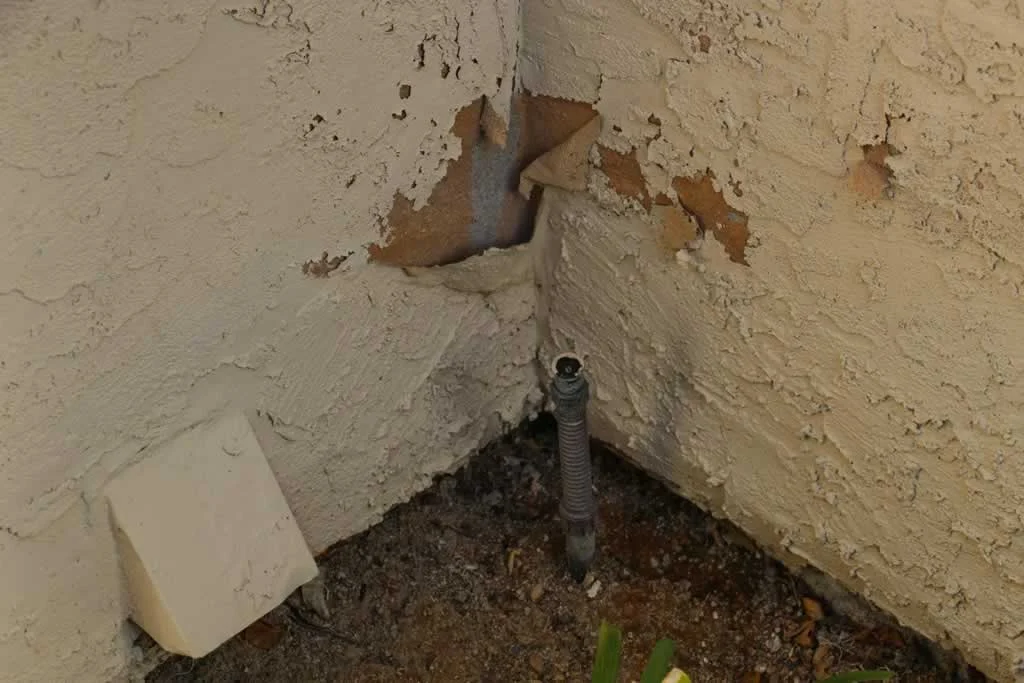
Stucco is built in layers. The surface you see is just the outer shell. Underneath sits a moisture barrier and the wood framing that holds your house together. When water gets past the surface, it doesn’t stay on display. It travels inward and settles against the wood. That’s the trap. The outside can look completely fine while the inside slowly deteriorates. I’ve seen walls that passed a quick visual check hiding serious rot behind them. By the time the damage shows on the surface, it’s usually been growing for a long time.
How Moisture Gets In
Cracks You Barely Notice
Hairline cracks are the most common entry point. They form as a house settles and shifts. You might walk past one a hundred times without a second thought. Water won’t miss it, though.
Failed Seals and Flashing
Gaps around windows, doors, and rooflines are another weak spot. When the flashing or sealant fails, moisture slips right in. These spots are easy to overlook during a casual glance.
Poor Drainage
If water can’t drain away properly, it pools and pushes against the wall. Constant exposure wears down even healthy stucco over time.
The Mold Problem Nobody Wants
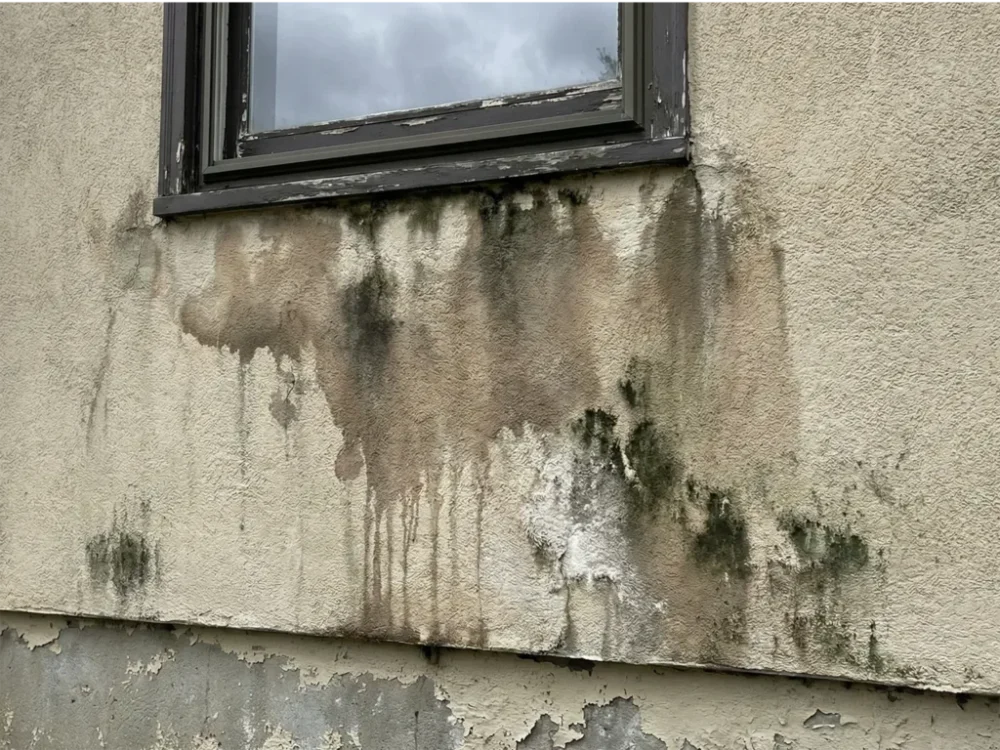
Here’s where it gets serious. Trapped moisture is mold’s favorite environment. Dark, damp, and undisturbed inside a wall. Once mold takes hold, it spreads quietly. You often smell it before you see it. That faint musty odor is your home trying to warn you. Mold isn’t just a structural issue. It’s a health concern for everyone living there. People with allergies or breathing problems feel it first. I watched a family struggle with unexplained symptoms for months before the hidden mold was found. The wall was the culprit the whole time.
Warning Signs Worth Watching
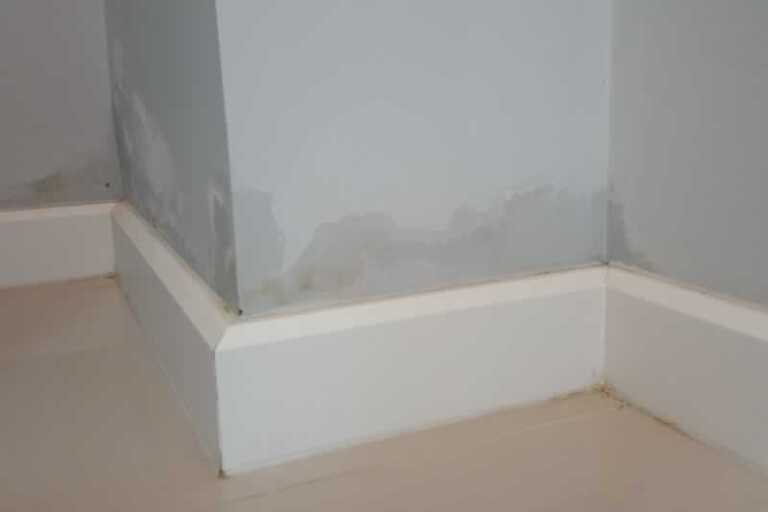
You can catch moisture problems early if you know the signals. Bubbling or peeling paint on the exterior. Soft spots when you press on the wall. Stains or discoloration that appear out of nowhere. A musty smell near interior walls. Cracks that keep coming back after being patched. Any of these deserves a closer look. I ignored a small ceiling stain once, sure it was old. It turned out to be fresh moisture creeping in from a cracked exterior wall. Don’t make the mistake of assuming a stain is harmless.
What Happens If You Wait
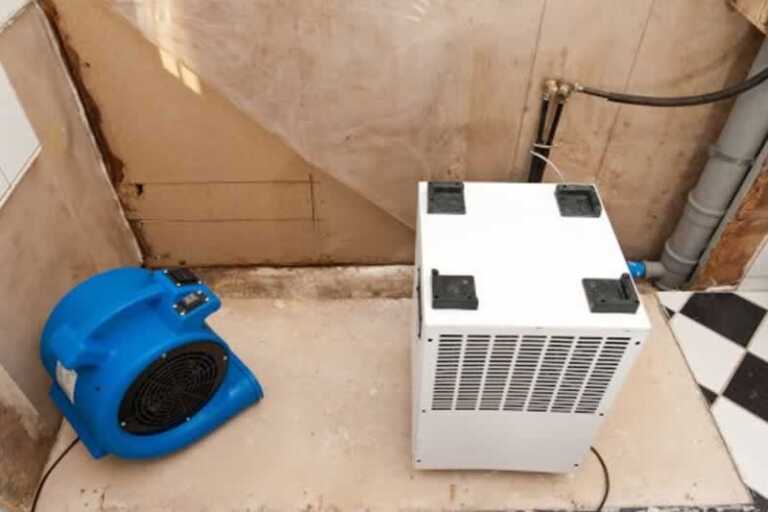
Let me be honest about the cost of delay. A small crack sealed early might run a couple hundred dollars. That same crack left for two rainy seasons can lead to rotted framing and full mold remediation. Suddenly you’re looking at thousands. Mold remediation alone is expensive and disruptive. It means opening walls, drying everything out, and rebuilding what was lost. The structural repairs pile on top of that. What started as a minor exterior fix becomes a major project. Prevention is always cheaper than restoration. I’ve never met a homeowner who regretted acting early.
How Proper Repair Stops the Spread
The good news is that early action keeps things simple. A professional finds the real source of the moisture intrusion. Then they seal the entry point and restore the protective barrier. That stops water from reaching the framing. Quality repair isn’t just filling a crack with caulk. It involves proper sealing, texture matching, and making sure the moisture barrier works again. Done right, the fix blends in and lasts for years. Done poorly, it traps water and makes the hidden damage worse. That’s why the skill behind the repair matters as much as the timing.
Protecting Your Home Long-Term
Inspect After Storms
Walk your exterior after heavy rain. Look for new cracks, stains, or soft areas. Early detection is your strongest defense.
Address Small Issues Fast
That tiny crack is your cheapest repair window. Waiting only raises the price and the risk.
Trust Experienced Pros
Skilled crews know where moisture tends to hide. They check the spots most people never think to look. That experience catches problems before they turn into mold.
The Bottom Line
The most dangerous wall damage is the kind you can’t see. It starts as a crack you ignore and ends as mold you can’t. The homes that stay healthy belong to owners who act before the surface betrays them. A timely fix seals out moisture and protects both the structure and the people inside. I still picture that flawless-looking house with rot behind its walls. It looked fine right up until it didn’t. You don’t have to learn that lesson the hard way. Inspect after the rains, fix small problems quickly, and call in pros who know where the hidden damage lives. Catch it early, and you protect your home and your health for years to come.


It’s eye-opening to learn how stucco water damage can often go unnoticed until it spirals into a mold problem. I found the section on warning signs particularly useful – being aware of those signs might just help beat the mold before it starts. It’s clear that timely action can really make a difference!
This article does a fantastic job of explaining why moisture issues in stucco are often overlooked. The section on warning signs really resonates, especially when it comes to catching problems before they escalate. It’s surprising just how much damage can occur when we don’t address these hidden risks promptly!
This article really highlights how hidden moisture can lead to serious mold issues, especially in stucco homes. I appreciate the warning signs outlined here, as they can make all the difference in preventing more extensive damage. It’s alarming how easily water can get in without us noticing!
Really helpful article! Understanding the common causes of stucco water damage and catching the signs early can save homeowners from bigger headaches down the road. Thanks for sharing these useful tips!