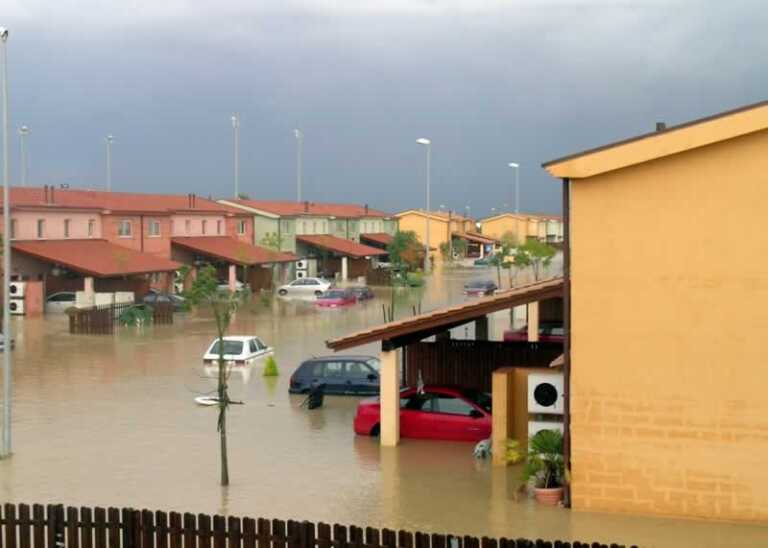
Flooding can be one of the most devastating events a homeowner experiences. In addition to visible water damage, floods can affect structural components, electrical systems, flooring, furniture, and personal belongings. Acting quickly after a flood is critical because water damage becomes more severe the longer moisture remains in the home. By taking the proper steps immediately following a flood, homeowners can improve their chances of restoring their property successfully while minimizing long-term repair costs.
Prioritize Safety First
Before entering a flooded property, make sure it is safe to do so. Floodwater can create numerous hazards, including weakened structures, electrical dangers, and contamination. If there is any doubt about the safety of the building, wait for professionals to inspect the property. Wearing protective clothing, gloves, and appropriate footwear can also help reduce risks during the cleanup process. Ensuring safety before beginning restoration efforts helps prevent injuries and additional complications.
Document All Damage Thoroughly
One of the first things homeowners should do is document the damage. Take photographs and videos of every affected room, including damaged flooring, walls, furniture, appliances, and personal belongings. Create a written inventory of damaged items when possible. This documentation will be valuable when working with insurance providers and restoration professionals. Having detailed records can help support a smoother claims process and provide a clear picture of the extent of the losses.
Remove Standing Water Quickly
The faster standing water is removed, the better the chances of limiting damage. Water extraction should begin as soon as conditions are safe. Depending on the severity of the flooding, pumps, wet vacuums, and specialized extraction equipment may be necessary. Water that remains in the property can continue soaking into building materials and contribute to mold growth. Rapid extraction is one of the most important steps in reducing overall restoration costs.
Dry The Property Completely
After water has been removed, thorough drying must begin immediately. Moisture often remains trapped inside walls, flooring, insulation, and structural components even after surfaces appear dry. Fans, dehumidifiers, and proper ventilation help speed the drying process. Professional moisture monitoring may be necessary to ensure that hidden water is identified and removed. Complete drying is critical for preventing mold growth and long-term structural issues.
Inspect For Hidden Damage
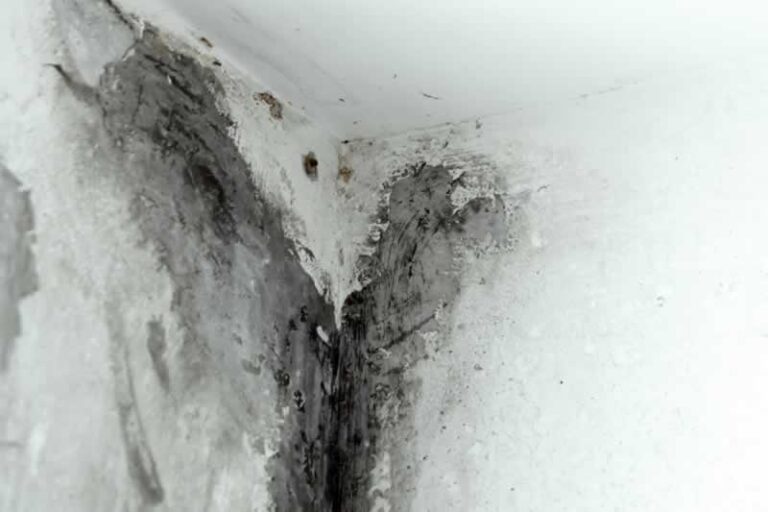
Floodwater often affects areas beyond what is visible. Wall cavities, crawl spaces, subflooring, and ceilings should be inspected carefully for signs of moisture damage. Hidden moisture can lead to mold growth, deterioration, and unpleasant odors if left untreated. Comprehensive inspections help identify problems early and allow homeowners to address them before repair costs increase further. Thoroughness during this stage can prevent future headaches.
Clean And Sanitize Affected Areas
Floodwater may contain contaminants, especially when flooding originates from external sources. Cleaning and disinfecting affected surfaces helps protect the health of occupants and creates a safer living environment. Materials that cannot be properly cleaned may need to be removed and replaced. Proper sanitation is an essential part of the restoration process and should not be overlooked. A clean environment supports both recovery and long-term safety.
Remove Materials That Cannot Be Saved
Not all materials can be successfully restored after a flood. Severely damaged drywall, insulation, carpeting, and other porous materials may need to be removed. Keeping unsalvageable materials in place can slow the drying process and increase the likelihood of mold development. A careful evaluation of affected materials helps determine what can be restored and what should be replaced. Removing damaged materials often speeds up the overall recovery effort.
Work With Experienced Restoration Professionals
Flood restoration can quickly become overwhelming, especially when large portions of the property have been affected. Many homeowners choose to work with the United Water Restoration Group to assist with water removal, drying, inspections, repairs, and recovery planning. Professional restoration teams often have specialized equipment and expertise that can improve efficiency and help ensure that hidden problems are not overlooked.
Take Steps To Reduce Future Flood Risks
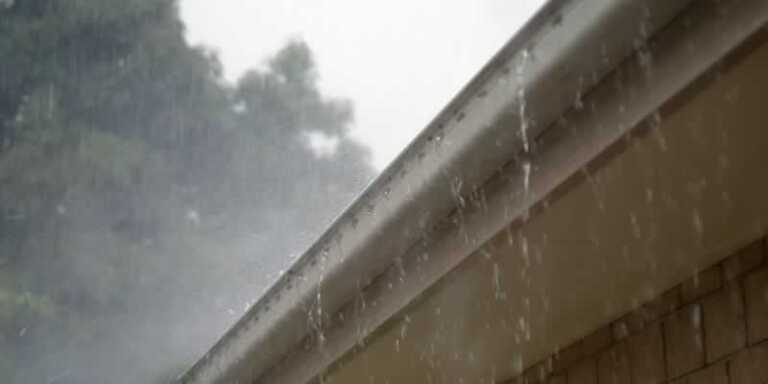
Once restoration is complete, homeowners should evaluate potential flood prevention measures. Improvements may include better drainage systems, sump pumps, routine maintenance, landscape grading adjustments, or additional waterproofing measures. Preparing for future weather events can help reduce potential losses and improve peace of mind. Prevention is often far less expensive than another major restoration project.
Conclusion
Recovering from a flood requires fast action, careful planning, and a thorough restoration process. By documenting damage, removing water quickly, drying the property completely, addressing hidden moisture, and making necessary repairs, homeowners can significantly improve recovery outcomes. Taking proactive steps after restoration is complete can also help protect the property from future flooding and provide greater long-term security.