The right equipment can make a construction or landscaping project faster, safer and more affordable. The wrong equipment, or equipment used without proper training, can slow work down and put people at risk. This category brings together guides on construction machinery, tools and safety equipment for homeowners, DIYers and small contractors.
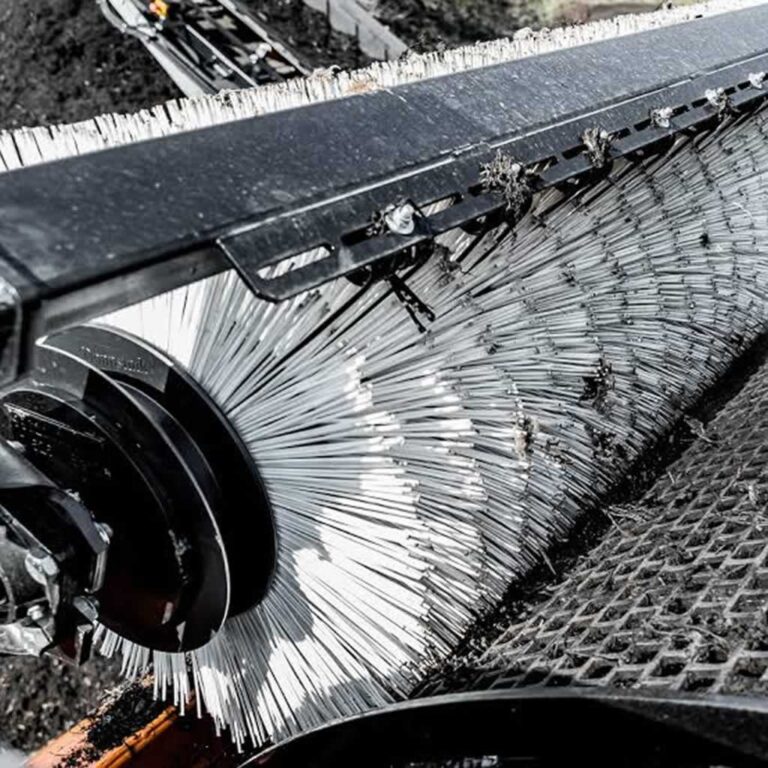
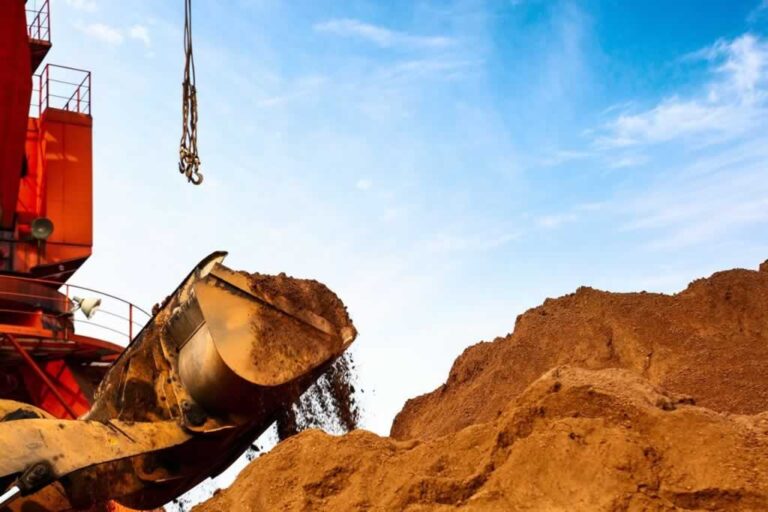
What are trommel brushes? Used in a variety of industries, a trommel brush is a cleaning attachment designed to be combined with a trommel screen. Trommel screens separate materials, comprising a rotating cylindrical drum with varying-size mesh holes and a trommel brush mounted on the side of the screen to remove excess debris, clay and…
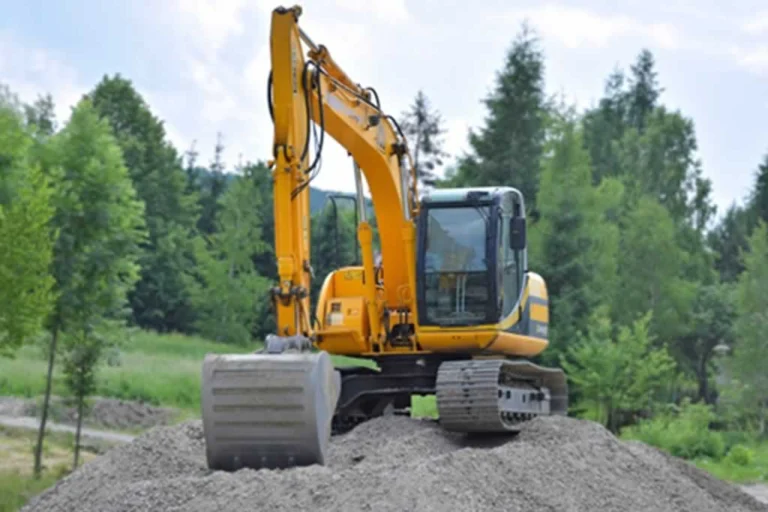
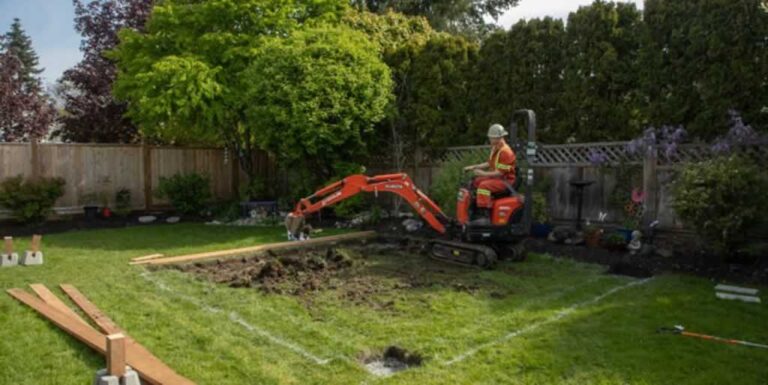
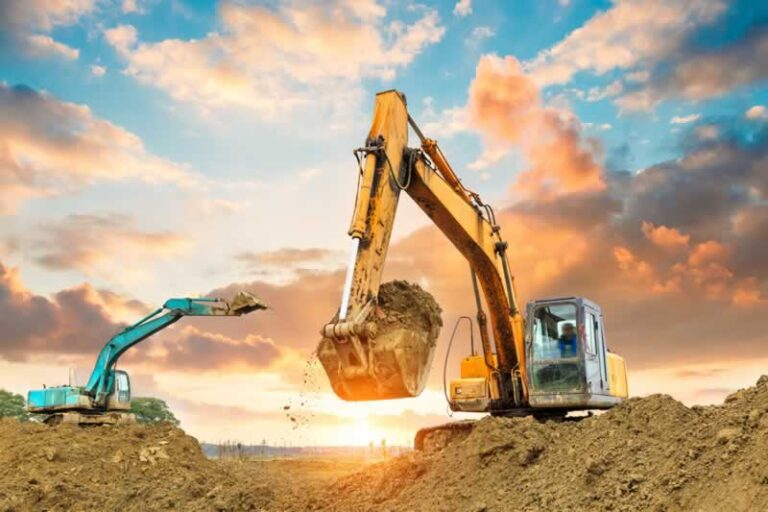
A mini excavator changes the game in construction work, or if you have a big project at home. While it’s small, it’s a serious machine that brings real power into small spaces. One popular usage of a mini excavator is digging trenches, but that’s just the start. In this blog, we will outline the key…
In the construction industry, productivity often comes down to how well machines perform on-site. Excavators, being among the most widely used pieces of equipment, play a central role in this. Over the last decade, hybrid technology has started to reshape how excavators operate, helping contractors work smarter, cut costs, and reduce their environmental impact. But…
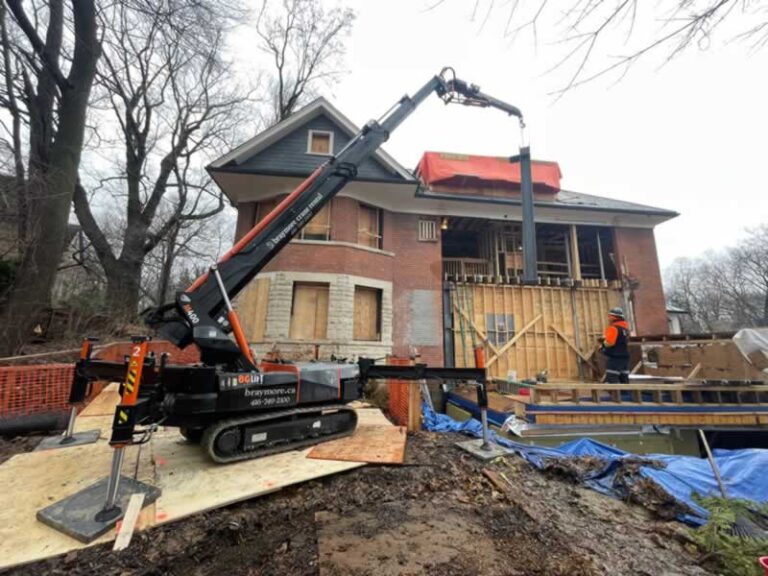
Managing crane operations on-site can be tricky, especially when you need to keep track of equipment, ensure safety, and maintain productivity. Telematics plays a key role in all this by providing real-time data on crane location, usage, and condition. You might not have thought about telematics as part of crane management before, but it is…
Transforming your backyard into a personal oasis can be a rewarding yet challenging endeavor, especially when heavy lifting is involved. Whether you’re planning to level your terrain, create stunning landscapes, or dig a new foundation for a patio, hiring an excavator is often essential for efficient and safe completion of your project. But where do…
In today’s environmentally conscious world, finding ways to reduce our carbon footprint is more important than ever. One often overlooked area where we can make a significant impact is in the construction industry. Purchasing used construction equipment is not only a cost-effective choice but also a green one. By opting for second-hand machinery, we can…
Excavator rental rates typically range from $150 to $500 per hour. Costs vary depending on the excavator’s size, type, and location. Excavators play a pivotal role in construction, demolition, and landscaping projects. They can perform a multitude of tasks, from digging trenches and removing debris to demolishing buildings and excavating mines. Renting an excavator is…
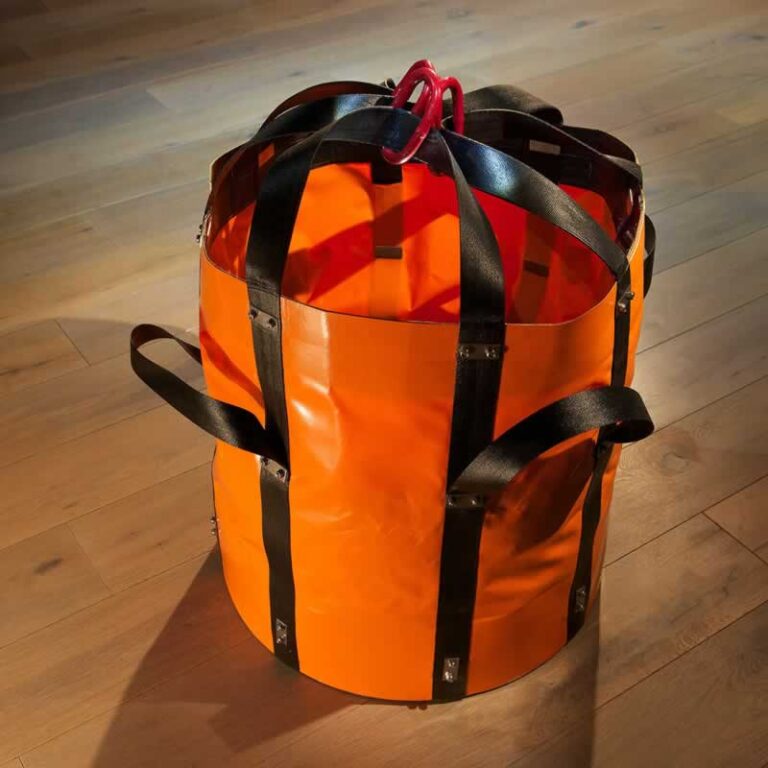
The pre-use inspection of round lifting bags is a critical step in ensuring their safety, reliability, and effectiveness during lifting operations. Begin by familiarizing yourself with the manufacturer’s guidelines and instructions for the specific round lifting bags you are using. Follow any recommendations provided by the manufacturer for inspection, maintenance, and usage. Conduct a visual…
Are you in the construction industry and wondering whether it’s better to rent or buy construction equipment? This is a common dilemma that many contractors face when it comes to their equipment needs. On the one hand, owning equipment gives you the advantage of having it readily available whenever you need it. On the other…
Navigating the world of cranes can be daunting, but it doesn’t have to be. With Thecraneclub.com, you’re never alone in your search. They’ll guide you through different types of equipment, help you select the ideal crane for your project, provide detailed specifications to make informed decisions, and simplify the construction process. So why wait? Join…
More about Equipment
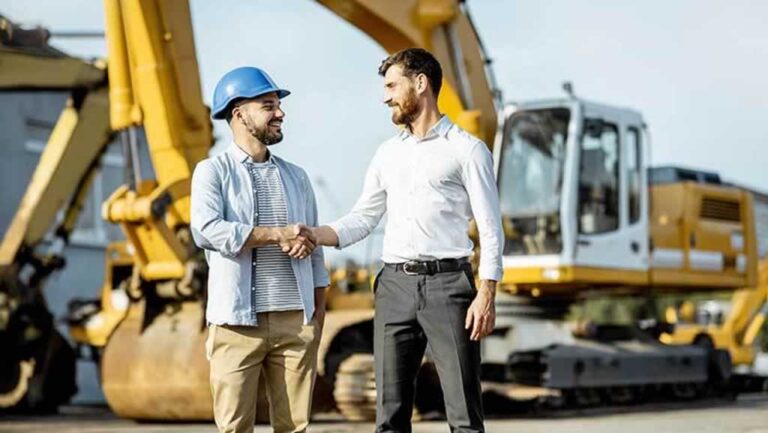
Our articles start with the practical question of how to find equipment for your next project. We compare buying new, buying secondhand, renting from a plant hire company and borrowing or hiring from other contractors, with the pros and cons of each option. For most homeowners and occasional users, renting is usually the most cost-effective choice, and we explain the benefits of plant hire, including maintenance and delivery. Always read the operator manual before using unfamiliar machinery.
You will also find guides to versatile site machines, such as mini excavators, skid steers, compact loaders and other heavy machines that can help with large DIY projects like digging foundations, moving soil or clearing land. We explain what each machine is good at and what skills or licenses may be needed to operate it safely.
Some articles cover more specialized equipment and components, such as rotary and linear actuators, trommel screens and brushes, and the tools used in geotechnical engineering. Understanding geotechnical testing, including test pits, borings and soil analysis, helps you see why ground conditions matter before building foundations, retaining walls or extensions.
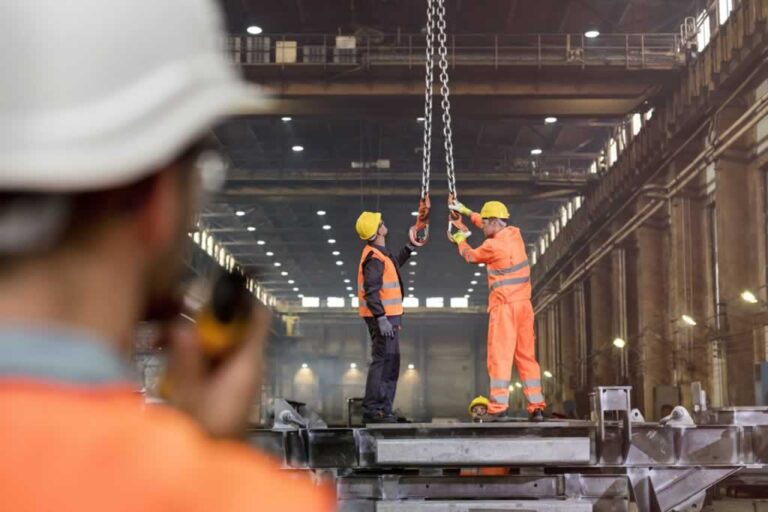
Safety runs through every guide. We cover industrial safety equipment and personal protective gear, from helmets and high-visibility clothing to hearing protection and safety footwear, along with good practices for working around machinery, such as keeping clear of swing zones and never working under raised loads.
This category is part of our construction section, alongside guides on concrete, contractors and home building, and it links to our tools section for smaller hand and power tools.