Property damage has a special talent for happening at the worst possible time. It rarely waits for a quiet Tuesday afternoon when you’re fully caffeinated and emotionally prepared. More often, it shows up at 11:40 p.m., during a storm, or right before guests arrive. Whether it’s a burst pipe, a soaked ceiling, or a kitchen fire that got out of hand for a few minutes too long, the first 24 hours matter more than most people realize.
That early window can shape how much damage spreads, how much the repair costs, and how stressful the insurance process becomes. Homeowners often jump straight into panic-cleaning mode, but a better approach is to slow down, make smart decisions, and know when it’s time to call a professional. In many cases, getting guidance from an experienced restoration company in Boston or in your local area can prevent a bad situation from getting much worse.

Start With Safety, Not Cleanup
The first instinct is usually to grab towels, open windows, or start moving furniture. That’s understandable. It feels productive. It also feels a lot better than standing in a wet room wondering why your ceiling is suddenly dripping like a sad indoor fountain.
But before cleanup begins, safety comes first.
If you’re dealing with water damage, ask a few basic questions right away. Is there a risk of electrical exposure? Is the water coming from a clean source, or could it involve sewage or contaminated runoff? Has the ceiling sagged or the floor become unstable? Wet drywall, soaked insulation, and slippery floors can create hazards fast, especially if the damage has spread beyond the obvious area.
After a fire, even a relatively small one, the danger may not be over when the flames are out. Smoke residue, soot particles, weakened materials, and lingering odor can all signal deeper problems. Areas that look “mostly okay” may still need professional evaluation, especially if heat, suppression water, or smoke traveled into walls, vents, or hidden cavities.
The main point is simple: don’t let urgency trick you into rushing past safety. Cleanup can wait a few minutes. Avoiding injury should not.
Water Damage Moves Faster Than People Think
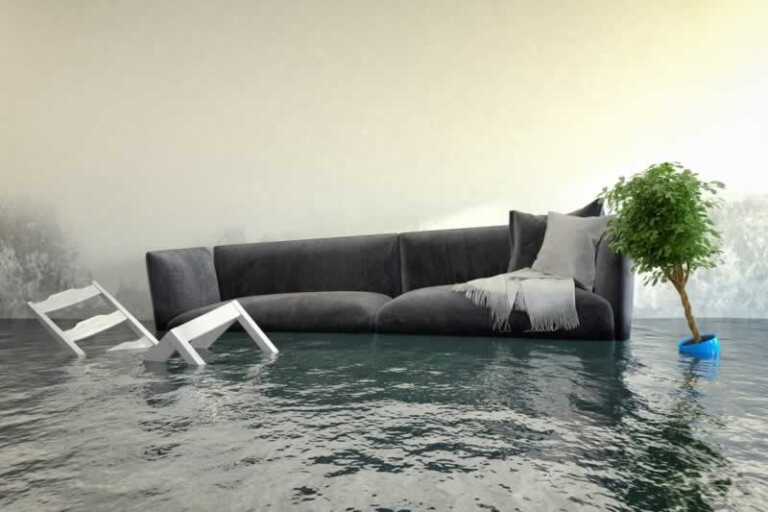
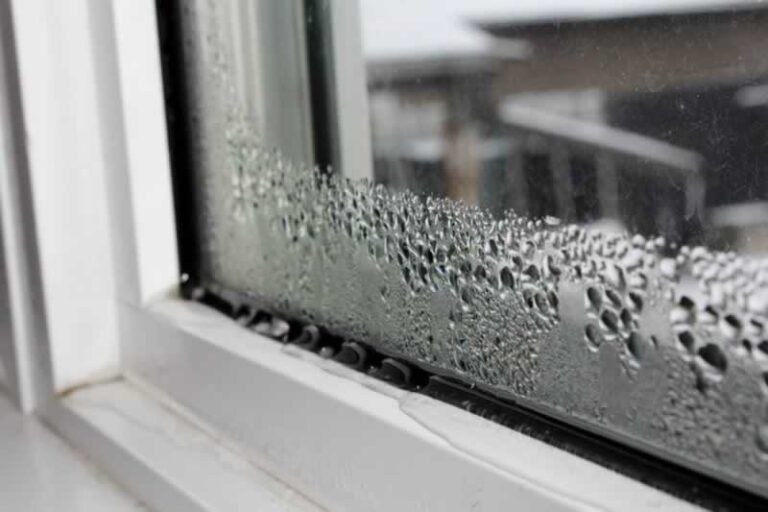
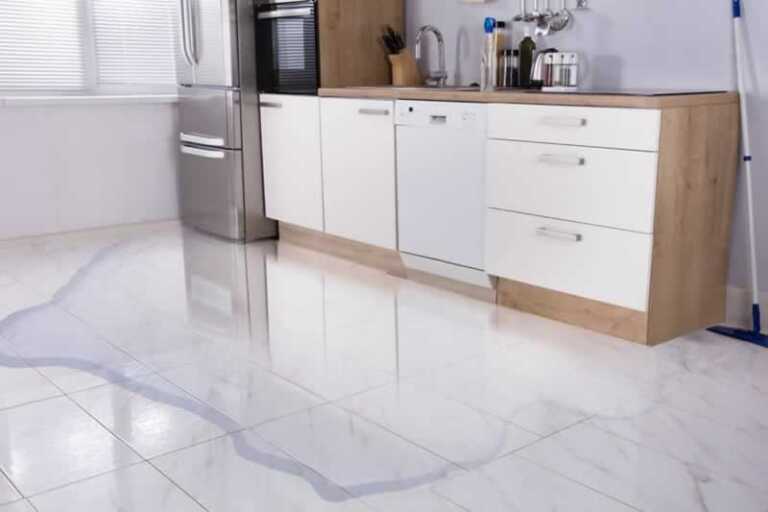
Water damage is sneaky. A small leak under a sink looks manageable. A little ceiling stain seems annoying but not catastrophic. Then, 24 hours later, the baseboards are swelling, the flooring is warping, and the room smells like a damp cardboard box.
Moisture spreads quickly through porous materials. Drywall, insulation, wood, flooring underlayment, and trim all absorb water in different ways. What you see on the surface is often only part of the problem. Water can wick upward into walls, travel across subfloors, and settle into areas you’d never think to check.
That’s why timing matters so much. Quick action can mean the difference between drying a localized area and replacing major materials.
A practical first-day response usually includes:
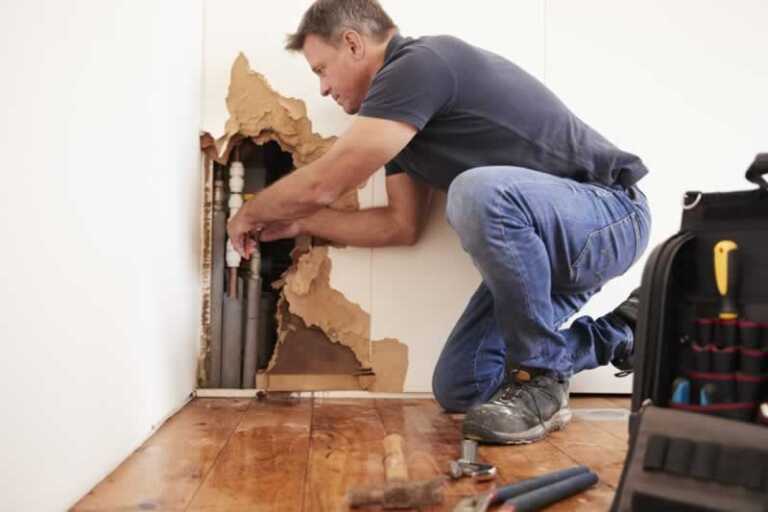
turning off the water source if possible, moving vulnerable items out of the affected space, removing excess standing water if it’s safe to do so, and increasing ventilation. Fans can help in minor situations, but they are not magic. If materials are already saturated or water has been sitting for several hours, surface drying alone usually isn’t enough.
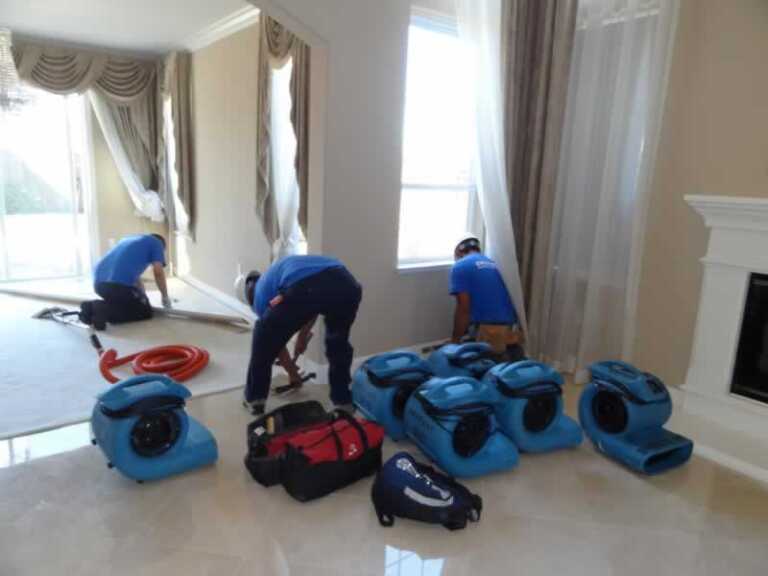
This is where professional assessment becomes valuable. Teams that handle water damage restoration in Boston and similar services elsewhere use moisture detection tools to locate hidden wet areas that homeowners often miss. That matters because unseen moisture is what leads to bigger structural problems, musty odors, and mold growth later.
In other words, if the damage seems “not that bad,” that may be the exact moment to take it seriously.
Fire Damage Is About More Than Burned Materials
When people picture fire damage, they usually imagine charred walls, destroyed furniture, and dramatic blackened rooms. Sometimes it looks like that. But many residential fire losses are smaller and more deceptive. A contained stove fire, an electrical issue, or a localized incident in one room can still create widespread damage that isn’t obvious at first glance.
Soot is one of the biggest reasons. It doesn’t politely stay in one corner and wait to be vacuumed up. It travels. It clings to trim, settles into porous materials, and can leave stubborn residue on walls, ceilings, and contents. Different types of soot behave differently too, which is why DIY wiping sometimes makes things worse. Smearing oily residue across painted surfaces is not exactly a winning strategy.
Then there’s smoke odor. Homeowners often hope it will “air out” on its own. Sometimes it fades a little. Often it lingers because the odor has penetrated surfaces, soft goods, or the HVAC system.
Professional fire damage restoration services usually involve more than debris removal. The work may include content cleaning, soot removal, odor treatment, moisture control from firefighting efforts, and detailed inspection of affected materials. Even a small fire can involve both smoke damage and water damage at the same time, which is an unfair little combo nobody asked for.
If there’s one takeaway here, it’s this: don’t judge fire damage only by what looks burned. Smoke and residue often tell the real story.

Document Everything Before You Toss or Tear Out
Once the immediate emergency is under control, documentation becomes your best friend.
Take photos. Then take more photos. Capture wide shots of the room and close-ups of damaged materials, belongings, and visible source points. If water came from a failed appliance or pipe, photograph that too. If fire damage affected cabinets, trim, contents, or nearby rooms, document all of it before cleanup moves too far along.
Keep notes about what happened, when you noticed it, and what steps you took. Save receipts for emergency purchases, temporary lodging if needed, and any materials used to stabilize the property. The more organized the record, the smoother the insurance process tends to be.
One mistake homeowners make is throwing out damaged items too quickly. Obviously, anything unsafe or unsanitary may need immediate disposal, but in general, it’s wise to document first and discard second. Your adjuster or restoration team may need to inspect items or verify the condition of materials before removal.
It also helps to separate what is confirmed damage from what is guesswork. Insurance claims move better when the facts are clear. “The hardwood near the kitchen entry cupped after the leak from the dishwasher line” is more useful than “basically everything is ruined and my life is over.” The second statement may be emotionally accurate, but it is less helpful on paper.
Avoid the Most Common First-Day Mistakes
The first 24 hours are full of opportunities to make well-intentioned mistakes. Here are a few of the most common ones:
Trying to power through without shutting off utilities. Water and electricity are famously bad roommates.
Using household cleaners or aggressive scrubbing on soot-covered surfaces. That can spread residue and make restoration harder.
Assuming the area is dry because the top layer feels dry. Hidden moisture loves false confidence.
Waiting several days to see whether the smell “goes away.” Odors often signal damage still sitting in materials.
Pulling out materials too soon without documentation. That can complicate claims and reduce clarity about the scope of loss.
Hiring the cheapest available help without understanding what’s included. Emergency work needs competence, not just speed.
The truth is, the smartest response is usually a mix of calm triage and expert support. Do the safe, obvious first steps. Protect what you can. Document thoroughly. Then bring in the right professionals when the situation is beyond surface-level cleanup.
Conclusion
Property damage is disruptive, stressful, and never convenient. But the first 24 hours do not have to be chaotic if you focus on the right priorities. Start with safety. Take water seriously before it spreads. Understand that fire damage is often bigger than what looks burned. Document carefully, and avoid cleanup shortcuts that can create bigger problems later.
Most of all, remember that early action is not the same thing as rushed action. The goal is not to do everything yourself in one exhausted burst of panic-cleaning energy. The goal is to make smart moves that protect your home, your health, and your options.
That approach may not make the situation fun, exactly. But it can make it far more manageable. And when property damage shows up uninvited, manageable is a pretty good place to start.