
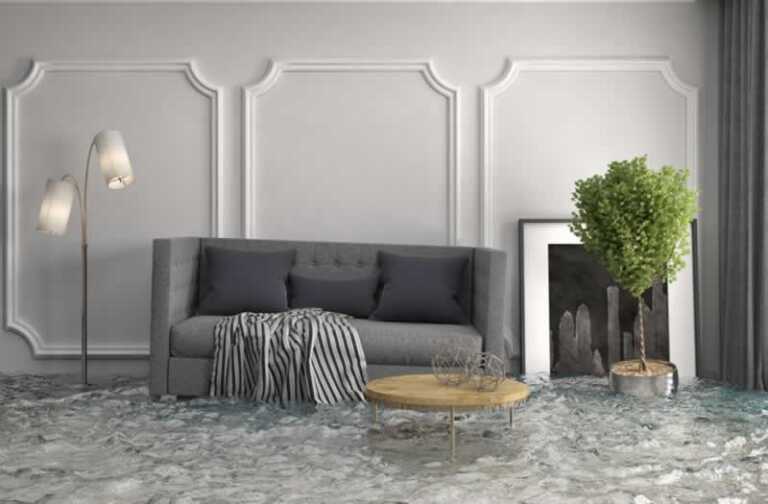
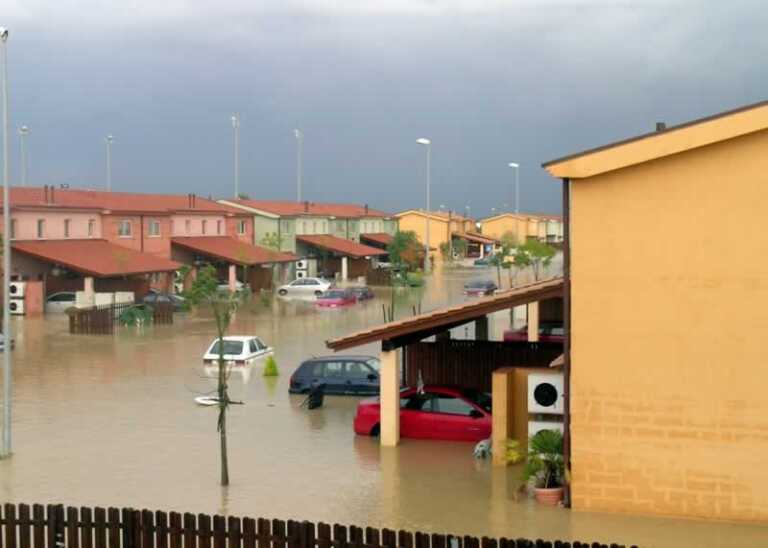
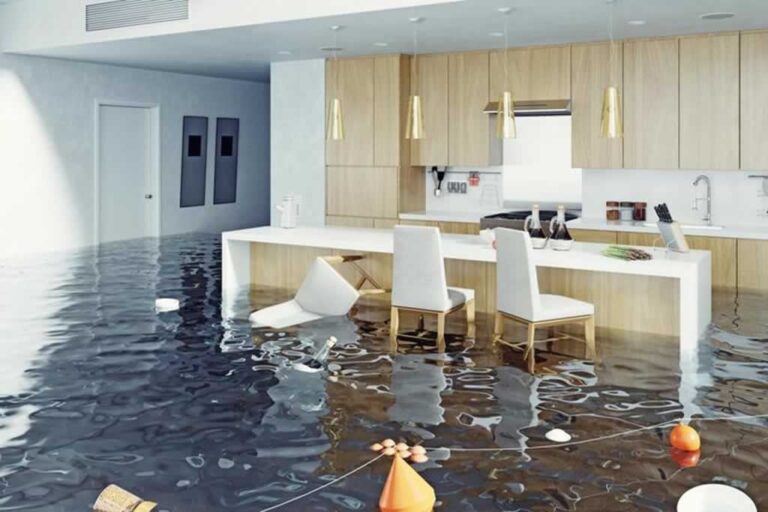
A flooded home is one of those situations that instantly turns your routine upside down. Whether it’s caused by heavy rain, a burst pipe, or a failed appliance, the first 24 hours are critical. What you do during this window can significantly reduce damage, prevent mold, and make the recovery process smoother.
If you ever find yourself standing in water inside your home, here’s a clear, practical guide on what to do next.
Start With Safety First
Before you think about cleanup, make sure the space is safe to enter. Water and electricity are a dangerous combination, so if there’s any chance that outlets, appliances, or wiring have been affected, turn off power to the area if you can do so safely.
If the flooding is severe or involves contaminated water, it’s best to stay out and wait for professionals. Your safety always comes first.

Stop the Source of Water
If the flooding is coming from inside your home, like a broken pipe or appliance, shut off the main water supply immediately. The sooner you stop the flow, the less damage you’ll have to deal with.
If the source is external, like heavy rain or groundwater, you may not be able to stop it completely, but you can still take steps to limit how much water enters the home.
Document the Damage
Before moving or cleaning anything, take photos and videos of the affected areas. This step is often overlooked, but it is extremely important for insurance claims.
Capture:
- Standing water levels
- Damaged furniture and belongings
- Affected walls, floors, and ceilings
Clear documentation helps speed up the claims process and ensures you are properly compensated.
Remove Standing Water Quickly
Time matters here. The longer water sits, the more it soaks into materials like wood, drywall, and carpet.
If the water level is manageable, you can start removing it using:
- Wet vacuums
- Buckets and mops
- Towels for smaller areas
For larger floods, professional equipment is usually needed. This is where contacting a restoration company early can make a big difference.
Move and Protect Belongings
Get items out of the affected area as soon as possible. Focus on things that can be saved if handled quickly.
Start with:
- Electronics
- Important documents
- Furniture and rugs
Place them in a dry, well-ventilated space. Even lifting items off wet floors can help prevent further damage.
Begin the Drying Process
Once standing water is removed, drying becomes the priority. Moisture trapped in materials can lead to mold growth within a day or two.
Open windows if weather allows, and use fans and dehumidifiers to circulate air and pull out moisture.
Pay attention to hidden areas as well. Water can seep behind walls and under flooring, which often requires professional drying equipment to fully address.

Remove Wet Materials That Cannot Be Saved
Some materials do not recover well after being soaked. Items like saturated carpets, insulation, and certain types of drywall may need to be removed.
If left in place, they can trap moisture and create conditions for mold and bacteria to grow.
This step is not always easy, but it is often necessary to prevent long term issues.
Watch for Signs of Mold
Mold can begin developing quickly in damp conditions. Within the first 24 to 48 hours, you might notice a musty smell or small patches forming on surfaces.
Early action is key. Keeping the area dry and well ventilated reduces the risk, but if mold starts to appear, it usually requires professional treatment.
Contact a Professional Restoration Service
Even if the situation seems manageable, it’s a good idea to bring in experts early. Water damage is often more extensive than it looks on the surface.
Professional flood damage restoration teams have the tools and experience to:
- Detect hidden moisture
- Dry structural components thoroughly
- Prevent long term damage
The sooner they get involved, the better the outcome tends to be.
Notify Your Insurance Company
Once you’ve documented the damage and taken initial steps, contact your insurance provider. Provide them with photos, details, and any immediate actions you’ve taken.
They may guide you on next steps and recommend approved restoration services.
Final Thoughts
The first 24 hours after a flood are all about quick decisions and smart action. It’s not about doing everything perfectly. It’s about doing the right things early.
Focus on safety, stop the water source, remove moisture, and get help when needed. Acting fast can limit damage, reduce costs, and make the entire recovery process far less overwhelming.


It’s interesting how you emphasize the importance of acting within the first 24 hours. I hadn’t realized how crucial that time frame is for preventing mold and minimizing damage. Definitely makes me rethink my approach to water damage situations!
It’s surprising how quickly water can cause damage. I appreciate the emphasis on acting within the first 24 hours. It’s crucial to understand that even a small leak can lead to major issues like mold if not handled promptly.