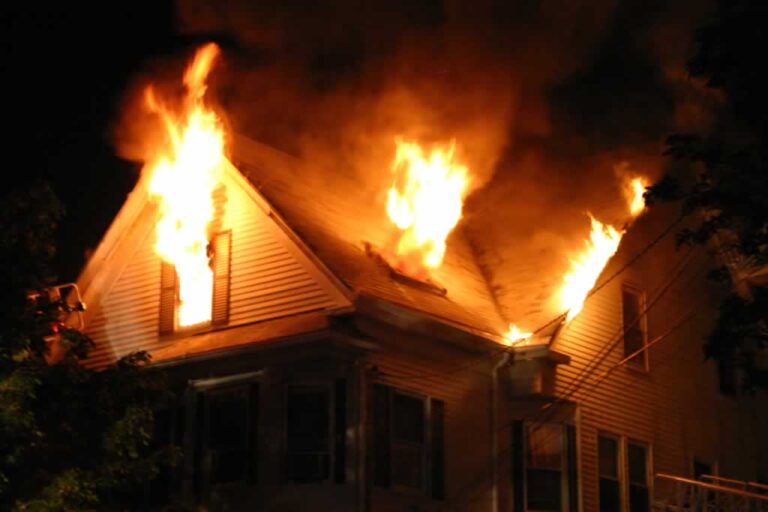
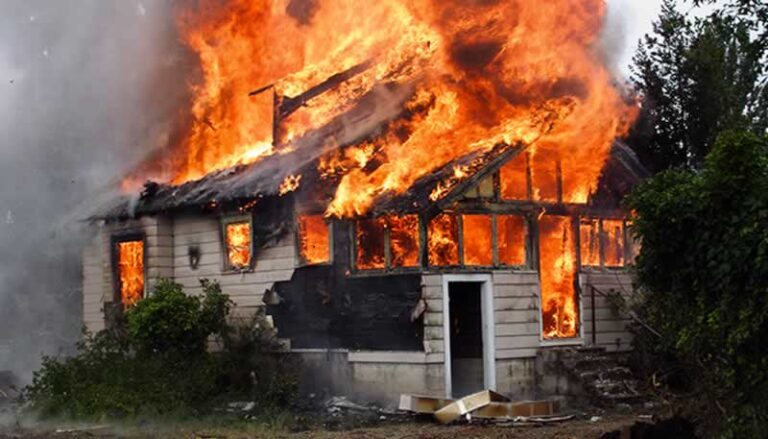
Fire safety is one of the most important responsibilities of any homeowner. Most house fires are preventable, and the right equipment and habits can make the difference between a small incident and a disaster. This category brings together practical guides on preventing fires, preparing your household and recovering if the worst happens.
In a world filled with potential fire hazards, ensuring the safety of your loved ones and property is paramount. Whether you are a homeowner, business owner, or simply want to be better prepared for emergencies, this ultimate guide to fire safety is your go-to resource. With expert insights and actionable tips, we will help you…
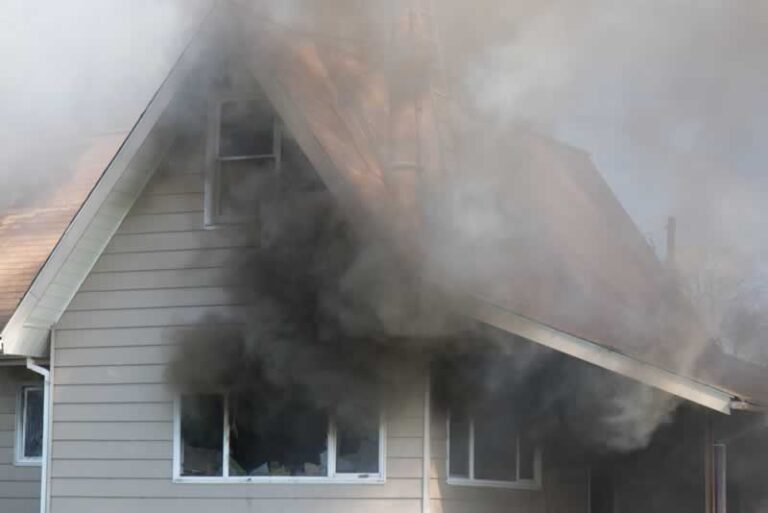
Experiencing a fire in your home or business can be a devastating and life-altering event. The aftermath of fire damage can leave you feeling overwhelmed and uncertain about how to proceed. However, with the right strategies and support, recovery is possible. This article explores the steps to take and considerations to keep in mind when…
Hey there! Safety first, right? Let’s talk about some simple and super important ways to keep you and your loved ones safe from fires. You must follow this few simple steps if your want to protect your home from fires. 1. Be Alarm Ready Imagine having your own superhero warning you about danger – that’s…
In the devastating aftermath of a fire, the journey to rebuild your home may seem overwhelming. But fear not, because in this comprehensive guide, we will walk you through every step of fire damage restoration. From assessing the extent of the damage to salvaging and restoring your cherished belongings, we’ve got you covered. Our approach…
A house fire can be extremely expensive and emotionally distressing. Fires can lead to significant injury or even death, in addition to the loss of property. Fortunately, there are precautions you can put in place to reduce the likelihood of a fire starting in your house. Having a qualified fire risk assessment done is one…
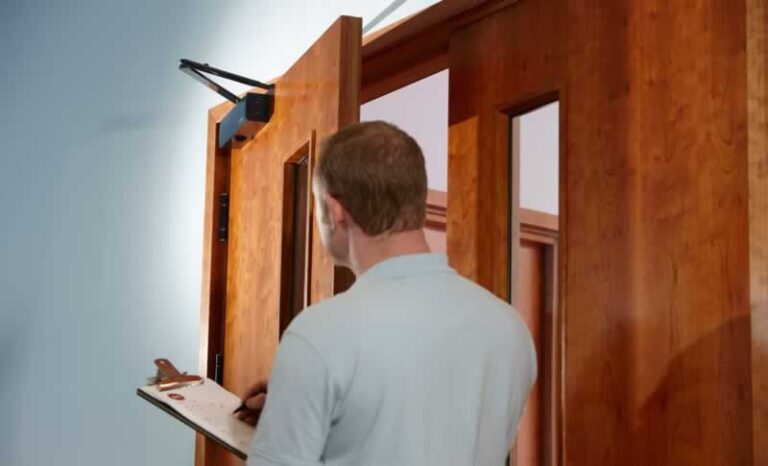
When it comes to safety in the workplace, proper fire door surveys are an essential part of any building’s maintenance. Even if your building is up to code, regular fire door inspections are necessary to ensure that the doors are able to properly protect against potential fires. The right knowledge and preparation can make a…
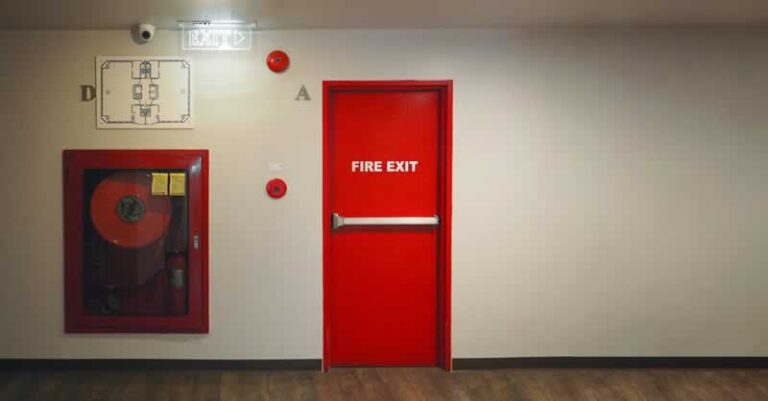
Making your office workplace fire-safe is a critical step in ensuring the safety of employees and property. Here are some practical steps to take: Conduct a Fire Safety Audit: Conduct a thorough inspection of your office and identify potential fire hazards, such as overloaded electrical outlets, blocked exits, and improperly stored flammable materials. Implement Evacuation…
In the event of a fire, personal belongings may be at risk of being damaged or destroyed. Therefore, it is important to take measures to protect them as much as possible. It’s a good idea to have a plan of action in place and be prepared with the right supplies and safety measures. Also, be…
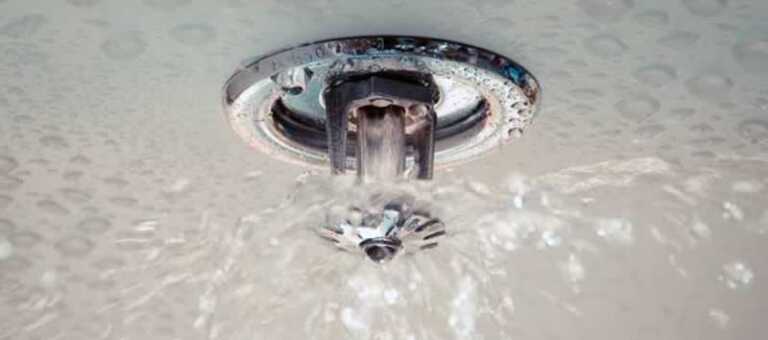
Home fires are a real danger, but with the help of a fire sprinkler system, you can significantly reduce your risk. We want to help you keep your family safe by providing some important information about fire sprinkler systems. First, we will answer some common questions about fire sprinkler systems, including: Does every home have…
One of the most effective tools in fighting fires at home or within businesses’ premises is a fire sprinkler system. The installation of these systems has led to a significant reduction in the number of deaths as well as property losses occasioned by fires. Fire sprinklers are, therefore, a vital investment to your property, irrespective…
More about Fire safety
Prevention starts with understanding the common causes of house fires, such as unattended cooking, heating equipment, faulty or overloaded electrical circuits, candles and smoking materials. Our articles explain simple habits that reduce risk, including keeping flammable items away from heat sources, cleaning dryer lint traps, maintaining heating appliances and never leaving cooking unattended.
Chimneys and fuel-burning appliances deserve special attention. We explain how creosote builds up in chimneys, why regular inspection and sweeping matter, and how to prevent chimney fires. Guides on propane in the home cover safe storage, leak awareness and what to do if you smell gas: leave the building immediately and call your gas supplier or emergency services from a safe distance.
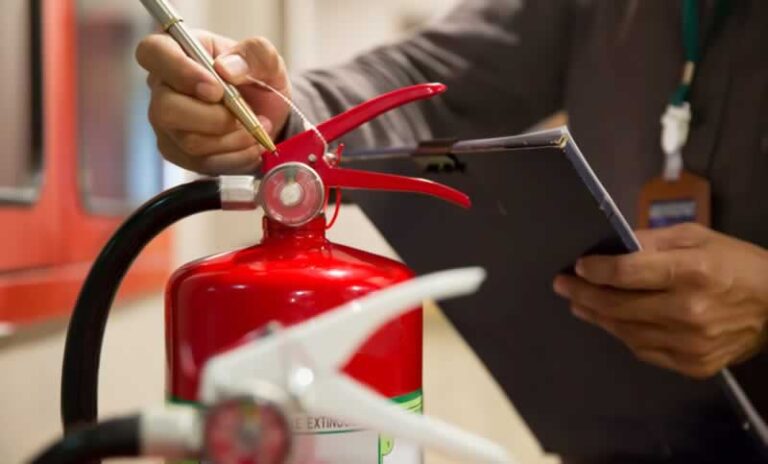
Equipment is your next line of defense. We cover the placement and testing of smoke alarms, the value of carbon monoxide alarms near sleeping areas and fuel-burning appliances, and how to choose the right home fire extinguisher, including what the different extinguisher classes mean and where to keep them. Every household should also have an escape plan with two ways out of each room and a meeting place outside, practiced regularly with everyone in the home.
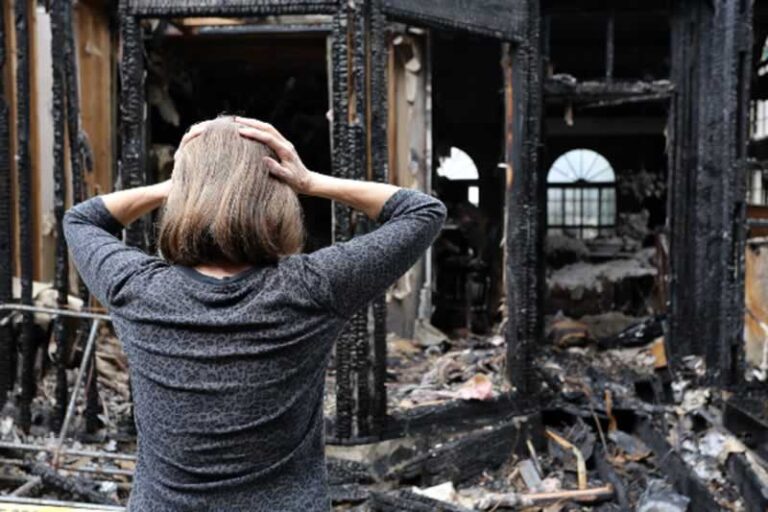
If a fire does happen, recovery can be overwhelming. Our guides explain what to do after fire damage, from safety checks and insurance documentation to assessing structural integrity, dealing with smoke and water damage, and choosing a restoration company. Always wait for clearance from the fire service before re-entering a damaged building.
This category connects with our home security, electrical and home maintenance sections, which share many of the same safety habits.