Solar panels let homeowners generate their own electricity, reduce energy bills and lower their carbon footprint. With falling costs and better technology, solar is now a realistic option for many households. It is also a significant investment, so understanding how it works and what to consider is important. This category brings together practical solar guides for homeowners.
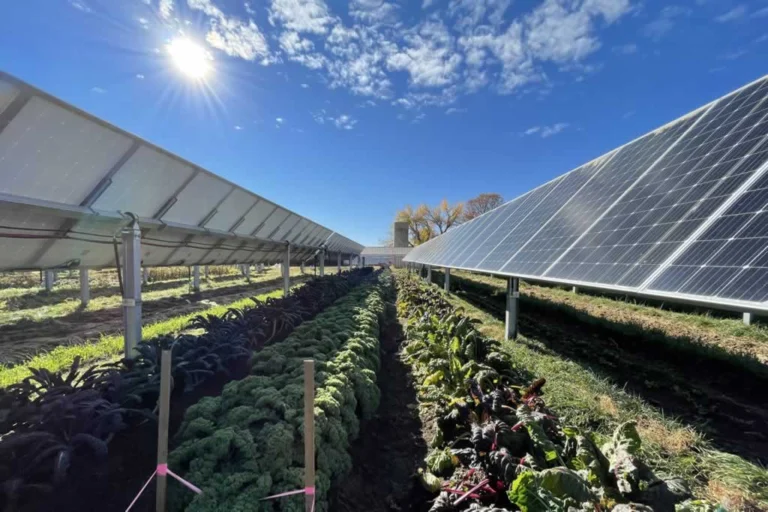
A solar farm sounds like a big, ambitious step, and in many ways, it is. Unlike rooftop solar, a personal solar farm takes up land, requires planning and asks you to think long term. Still, for homeowners with space and patience, it can offer energy independence and a new way to use property that might…
Switching to solar energy is a big decision for many homeowners. It promises long-term savings, environmental benefits, and the satisfaction of producing clean energy at home. But before you sign on the dotted line for a solar arrangement, it’s important to understand the various paths available—especially power purchase agreements, or PPAs. Knowing what homeowners need…
Solar panels are a worthy investment in both sustainability and your capacity to save on power expenditures. However, the efficiency of such units and investment return may be adversely influenced by neglecting their care. Regular observation of the panels helps to prevent small-magnitude issues from blowing up to something major. Some of the most pressing…
Imagine being in Maui, Hawaii, feeling the warmth of the sun on your skin. What if you could transform that sunlight into power for your home? A growing number of residents are tapping into this potential, finding that transitioning to solar energy is not only eco-friendly but also cost-effective. Join us as we explore how…
Hawaii’s island location means its electricity rates are among the highest in the U.S. By using solar to produce your own energy, you can significantly decrease your electric bills and offset heating costs. Lower Energy Bills Solar energy systems help protect against rising electric utility rates in Hawaii, where the average electric bill stands at…
Solar energy has been around for decades, but it is only in recent years that it has become a viable source of renewable energy. As the world continues to search for cleaner, more sustainable energy sources, solar power is playing an increasingly important role. In this article, we’ll take a look at the current state…
The energy-conscious world has motivated businesses and homeowners to look for ways to maximize efficiency and reduce their energy costs. One of the most effective ways to do this is by installing a hybrid inverter and inverter battery backup system. These systems work together to provide reliable, clean power at all times, while also helping…
As awareness of climate change and its consequences becomes more widespread, more and more homeowners are now trying to switch to a more sustainable living. This has prompted them to reduce their dependency on traditional energy sources and switch to solar power. Solar panels help property owners to contribute to a healthier environment while reducing…
Solar panels have become an essential part of the house. They are environmentally friendly and help reduce the electricity bill. And just like any other home appliance, solar panels need regular maintenance. In this article, we look at how to clean solar panels, when to clean them and the cleaning steps. For solar panels to…
The transition to renewable energy is no longer a distant dream but a reality unfolding before everyone’s eyes. Among the various clean energy options available, solar power is a frontrunner, offering a sustainable and cost-effective alternative to fossil fuels. While homeowners have been quick to jump on the solar bandwagon, many renters still need to…
More about Solar panels
We start with the fundamentals. Our articles explain the pros and cons of choosing solar power for your home, including upfront costs, long-term savings, incentives where available, maintenance and how much difference your location, roof direction and shading make. A homeowner’s guide to shifting to a solar-powered household walks you through the decision process step by step.
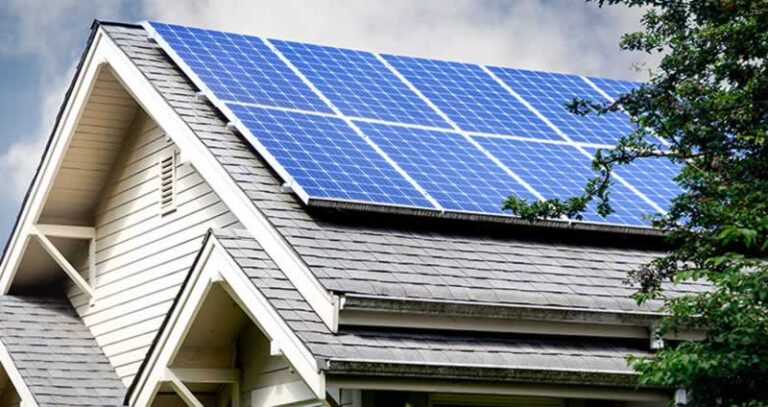
Your roof matters. We explain the best roof types for solar panels, including orientation, pitch, material and condition. If your roof is near the end of its life, replacing it before installing panels can save money and hassle later.
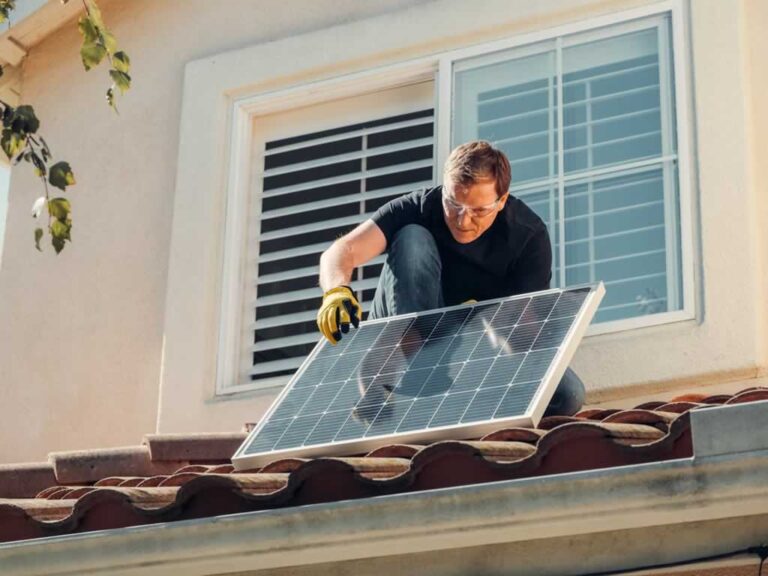
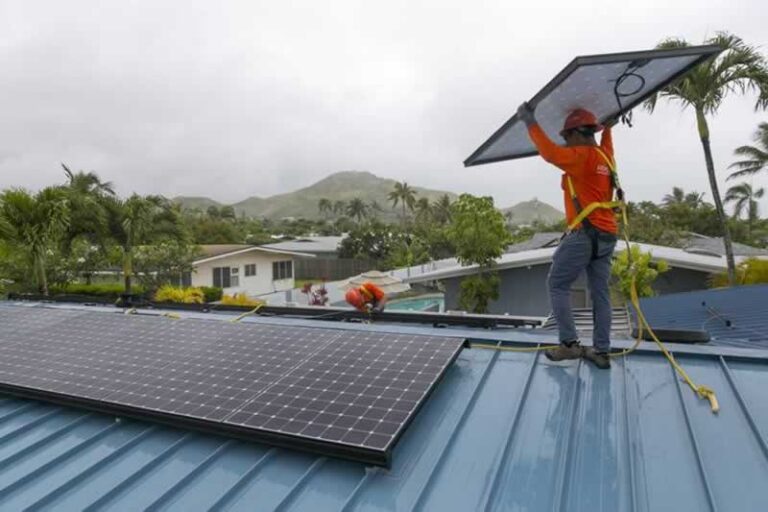
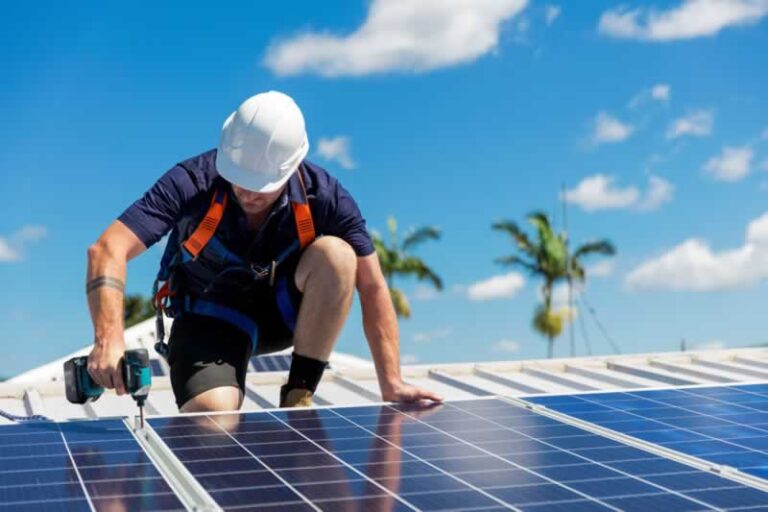
Installation advice helps you avoid common mistakes. Our expert tips cover consulting an experienced, certified solar installer, setting a budget, checking your energy consumption, understanding warranties for panels, inverters and workmanship, and reviewing permits and grid connection requirements. Solar systems involve high-voltage DC electricity and roof work, so installation should be handled by qualified professionals.
Financing options vary. We explain what homeowners need to know about power purchase agreements and leases before going solar, how they compare with buying a system outright and which contract terms to read carefully.
Storage is increasingly popular. Our handyman’s guide demystifies solar batteries, how they store excess energy for use at night or during outages, and when they make financial sense. We also cover solar generators, how they work and how they differ from rooftop systems.
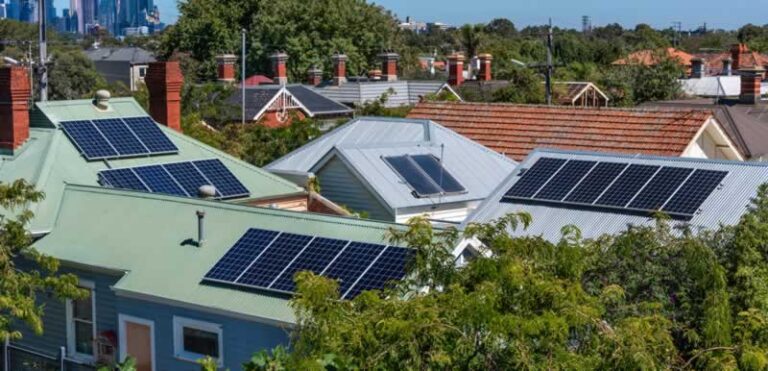
Apartment residents and building owners are not left out, with guides on how apartment buildings can go solar. This category is part of our sustainable design section.