

Basements in Toronto take more abuse than most homeowners realize. Between the city’s heavy clay soils, dramatic seasonal temperature swings, and the relentless freeze-thaw cycles that stress concrete through winter, it is almost inevitable that a basement will develop some moisture issues over its lifetime. The key is catching them early.
Whether you handle home repairs yourself or prefer calling in professionals, knowing what to look for can save you thousands in remediation costs. Here are five warning signs every Toronto homeowner should understand.
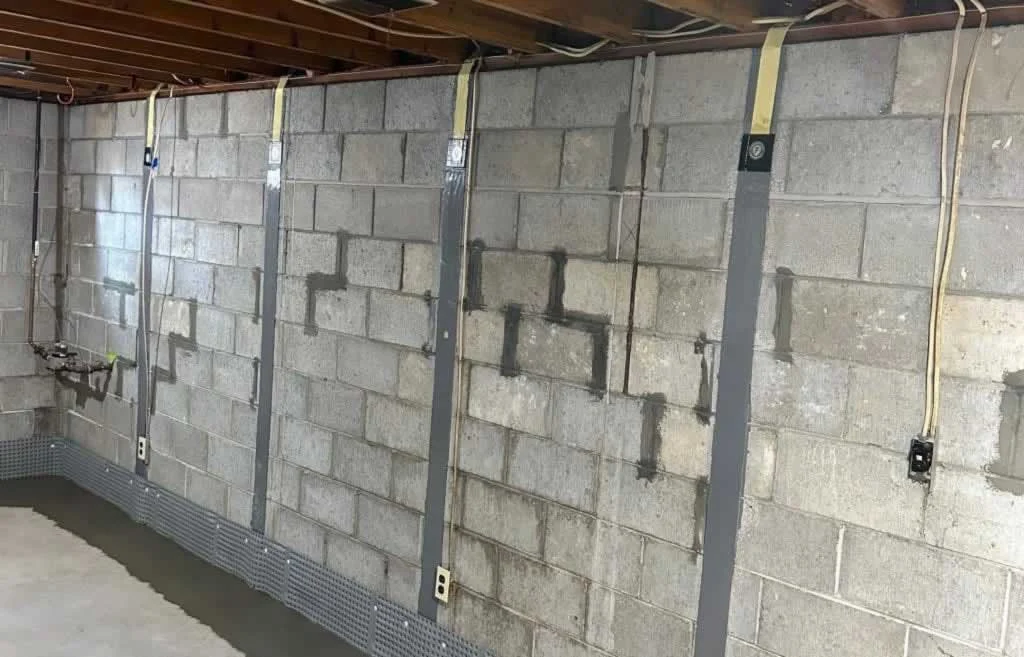
White Staining on Concrete Walls (Efflorescence)
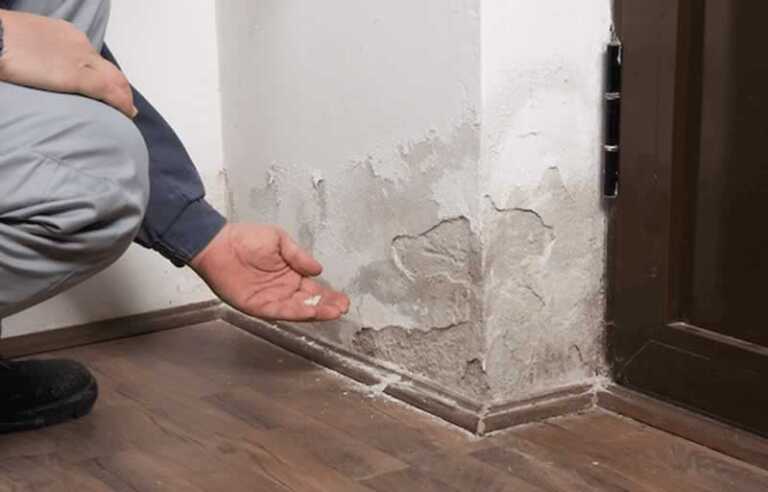
If you notice white, chalky, or crystal-like deposits on your basement walls or floor, you are looking at efflorescence. It is one of the first visible signs that water is moving through your concrete. As water passes through the porous material, it carries dissolved minerals toward the surface. When the water evaporates, those minerals are left behind as a white residue.
Efflorescence itself does not cause structural damage, but it is a reliable indicator that water is actively migrating through your foundation. Left unaddressed, the continued wetting and drying cycles will gradually degrade the concrete and eventually allow more significant seepage.
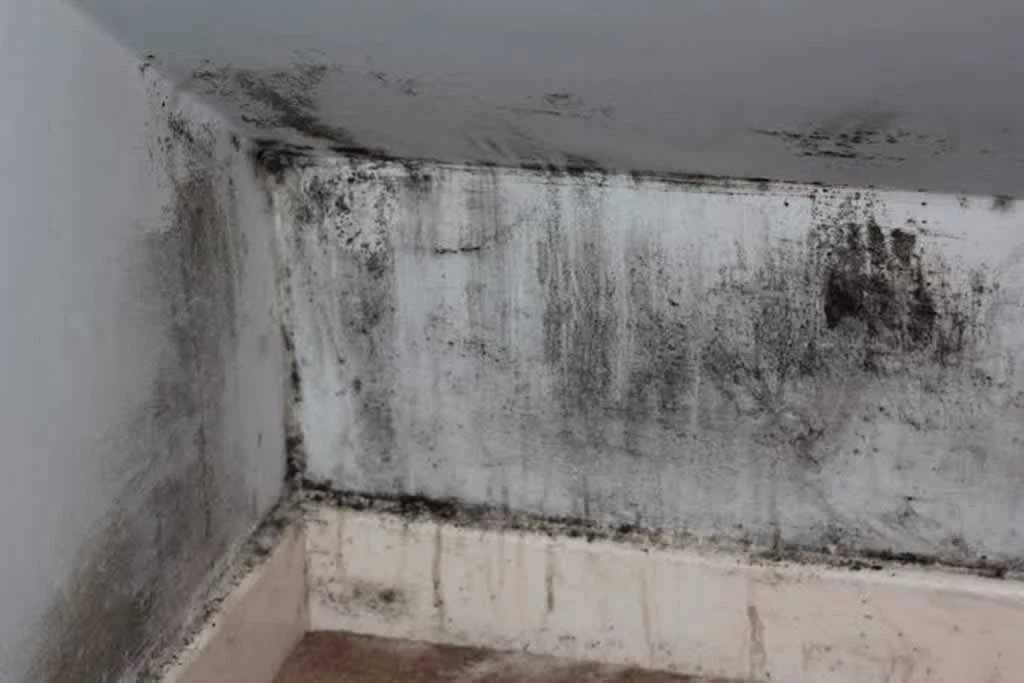
A Persistent Damp or Musty Smell
The smell of a wet basement is distinctive and hard to ignore once you recognize it. That earthy, musty odor is typically caused by mold and mildew growth in areas where moisture is present but not visible. Spores thrive in dark, humid environments and can establish colonies behind drywall, under flooring, and within insulation long before any visual evidence appears.
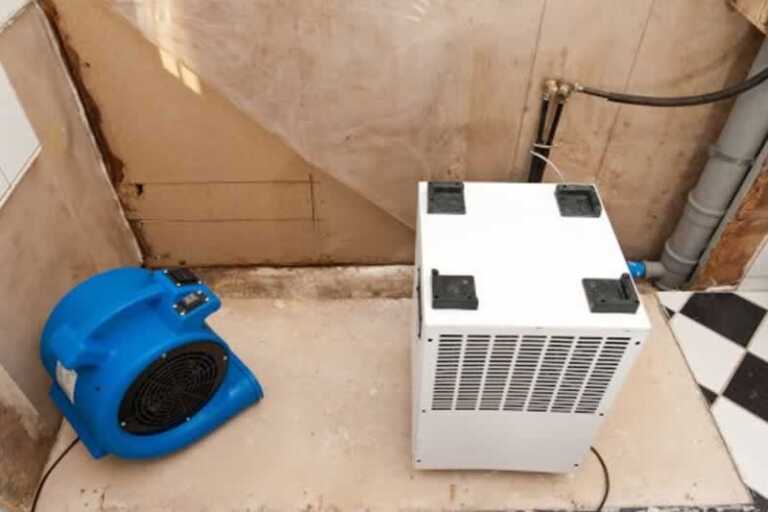
If your basement smells musty even after extended dry periods, treat it as a moisture problem rather than a ventilation problem. Fans and dehumidifiers will manage the symptoms but will not address the underlying water entry.
Cracks in Foundation Walls or Floor
Not all cracks are equally serious. Hairline cracks in poured concrete are common and often cosmetic. However, certain crack patterns warrant immediate attention:
- Horizontal cracks, especially in block foundations, suggest lateral soil pressure and can indicate serious structural movement
- Stair-step cracks in block walls often indicate settlement or shifting in the footing below
- Wide cracks with displacement (one side sitting higher than the other) suggest the foundation is actively moving
Any crack that is also showing water seepage should be evaluated by a professional regardless of its size or apparent severity. For stabilized cracks that are allowing water entry, professional epoxy crack injection is one of the most effective repairs available, restoring the structural integrity of the concrete while sealing the water pathway permanently.
Rust Stains or Deteriorating Concrete
Rust stains on your basement floor or walls often originate from the reinforcing steel embedded within the concrete. When water reaches the rebar through cracks or overly porous concrete, the steel begins to corrode. As it rusts, it expands, and that expansion creates pressure from within the concrete itself, eventually causing cracking and spalling.
Spalling produces flaking or chipping concrete surfaces. If you see patches of exposed aggregate or pieces of concrete falling away from walls, the moisture intrusion is advanced enough that the structural integrity of the wall may be compromised. This is not a cosmetic issue at that stage.
Water Pooling After Rain or Snowmelt
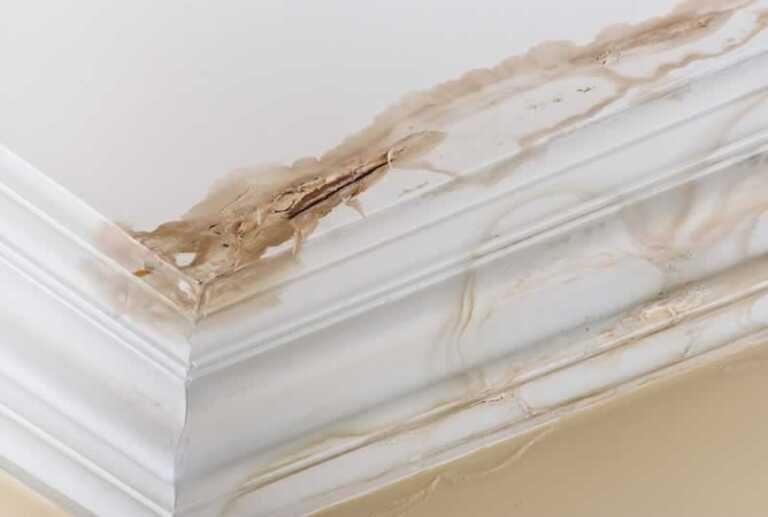
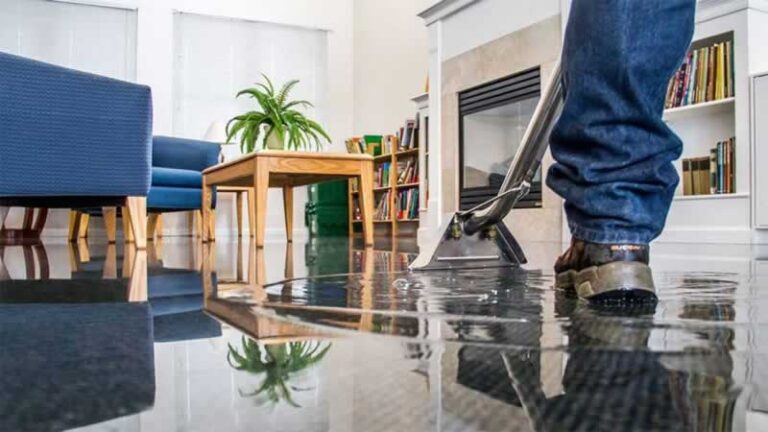
If you notice wet patches on the basement floor following heavy rain or periods of rapid snowmelt, the source is usually one of three things: window well flooding, grading that directs runoff toward the foundation, or a failing weeping tile system.
Many Toronto homes were built with clay weeping tiles that have deteriorated over decades. These old systems collapse, fill with debris, or simply fail to manage the volume of water that modern drainage demands. A backed-up weeping tile system allows groundwater to rise until it finds entry points along the footing or through the floor slab.
What to Do When You Spot These Signs
DIY patching with hydraulic cement or waterproofing paint may temporarily slow seepage, but it does not address the hydrostatic pressure behind the wall. Plugging one crack often causes water to find another entry point nearby, sometimes through the floor rather than the walls.
For persistent or worsening moisture problems, a proper assessment of the drainage system is the most effective path forward. Getting a clear diagnosis of where the water is coming from determines which solution is actually appropriate for your home’s specific conditions.
Catching these five warning signs early gives you the best chance of a straightforward, cost-effective repair before water damage reaches the framing, flooring, or mechanical systems in your basement. Regular visual inspections twice a year, once in spring after snowmelt and once in fall before freeze-up, are enough to catch most developing problems while they are still manageable.


It’s surprising how many homeowners overlook the freeze-thaw cycle when considering basement moisture issues. Your point about early detection being key really hits home, especially since we experience such drastic temperature changes in Toronto. Understanding these warning signs can truly save us from costly repairs down the line. I often refer to a helpful free resource that provides tips for home maintenance.
I appreciate the emphasis on catching moisture issues early in basements. It’s striking how Toronto’s unique weather patterns can lead to such hidden problems. I’m definitely more aware now of what signs to look for in my own home. A helpful free resource I use for this is a local home maintenance checklist.