Discovering water inside your home can be stressful, especially when you are unsure where it came from or how far it has spread. A leaking pipe, overflowing washing machine, damaged roof, or flooded basement can quickly affect flooring, drywall, furniture, and personal belongings. Knowing when to seek water damage restoration in Catonsville, MD and which steps to take first can help you limit the damage, protect your family, and avoid expensive repairs later. Acting quickly matters because moisture can move into hidden areas long before the damage becomes obvious.
The first priority is to make sure everyone is safe. After that, focus on stopping the source of the water, documenting the damage, and arranging professional help when necessary. A calm, organized response can make a difficult situation much easier to manage.
1. Make Sure Your Home Is Safe
Before entering an affected room or starting cleanup, look for potential hazards. Water near electrical outlets, appliances, extension cords, or the electrical panel can create a serious risk of electric shock. If standing water has reached electrical equipment, stay out of the area and contact a qualified electrician or emergency services for guidance.
Structural damage is another concern. Waterlogged ceilings may sag, flooring can become unstable, and prolonged moisture exposure can weaken certain building materials. Avoid entering rooms where the structure appears compromised.
If you suspect sewage contamination, do not attempt to clean the affected area yourself. Contaminated water can contain harmful microorganisms and requires appropriate protective equipment and cleaning procedures.
Your safety should always come before protecting belongings or beginning cleanup.
2. Stop the Source of the Water
Once the area is safe to approach, determine whether the water is still entering the property.
If a plumbing leak is responsible, turning off the main water supply may stop additional water from spreading. For an appliance leak, shut off its water supply if you can do so safely. A roof leak may require temporary protection, while flooding caused by heavy rainfall may need a different approach.
If you cannot identify the source, contact a qualified plumber or restoration professional to investigate.
Stopping the flow is an important first step, but it does not remove the water that has already entered walls, flooring, insulation, or other materials. Those areas may still require extraction and drying.
3. Document the Damage Before Cleanup
Before moving damaged belongings or removing materials, take photographs and videos whenever conditions are safe.
Capture the affected rooms, standing water, damaged flooring, ceiling stains, wet furniture, and any visible plumbing or roof problems. Take wide shots to show the overall situation, followed by close-ups of individual damaged items.
This documentation can be useful when discussing the loss with your homeowners insurance company.
Keep copies of receipts for emergency repairs, temporary accommodations, equipment rentals, and other related expenses. If you have damaged personal belongings, make an inventory that includes descriptions, approximate ages, and estimated values.
Avoid discarding damaged items before documenting them, unless they present an immediate safety or sanitation concern.
4. Contact Your Insurance Company
Notify your insurance provider as soon as reasonably possible after discovering the damage. Your insurer can explain the reporting requirements, outline the claims process, and clarify what your policy may cover.
Coverage depends on the cause of the loss and the terms of your policy. For example, sudden and accidental plumbing failures may be covered under some policies, while gradual leaks, neglected maintenance, and flooding from external sources may be treated differently.
Ask whether the insurance company needs to inspect the property before permanent repairs begin.
Do not delay necessary emergency measures while waiting for an adjuster. Reasonable steps to prevent further damage are often important, but keep records of the work performed and the expenses involved.
5. Remove Standing Water When It Is Safe
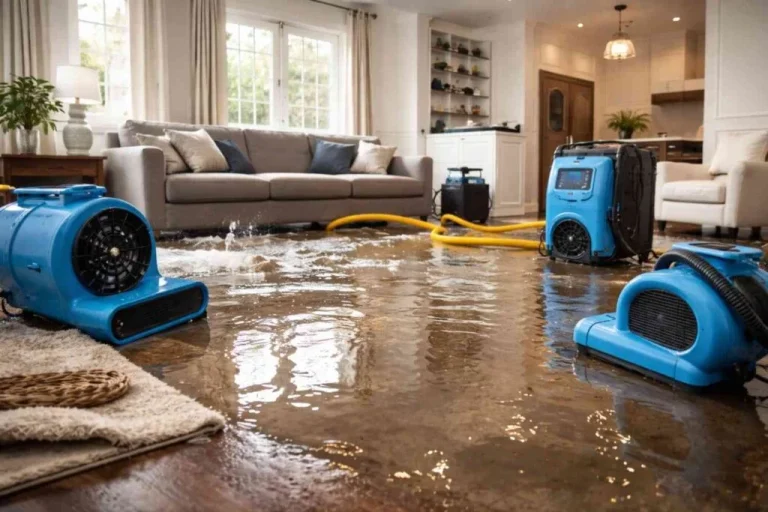
Standing water can quickly soak into porous materials and spread into adjacent rooms. Removing it promptly helps limit additional damage.
For a small amount of clean water in a safe area, towels or suitable household equipment may be sufficient. Larger losses generally require professional extraction equipment capable of removing substantial amounts of water efficiently.
Never operate electrical equipment in standing water or in an area where electrical safety is uncertain.
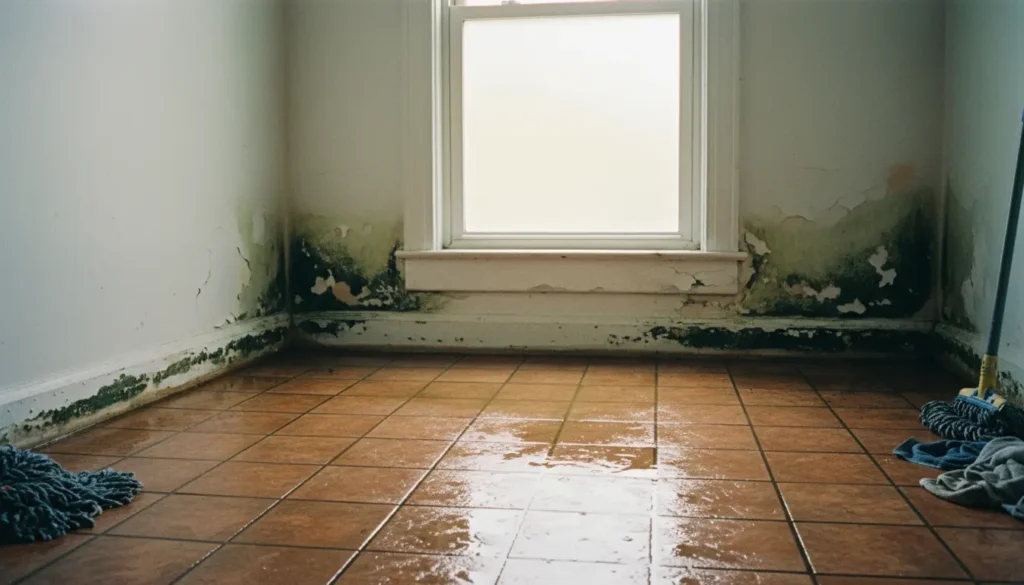
It is also important to remember that removing visible water does not mean the home is dry. Moisture may remain beneath carpet, inside cabinets, behind baseboards, or within wall cavities.
A thorough assessment is necessary when water has affected building materials.
6. Protect Furniture and Personal Belongings
If it is safe to do so, move valuable belongings away from affected areas. Important documents, photographs, electronics, clothing, and sentimental items should receive attention when they can be moved without risk.
Furniture legs can sometimes stain or damage wet flooring. If practical, move furniture to a dry location or place suitable protective barriers beneath the legs.
Avoid dragging heavy furniture across wet floors, as this can cause additional damage.
Do not handle wet electronics while they are connected to power. Items exposed to contaminated water or significant smoke and moisture damage may need professional evaluation before they can be safely used again.
7. Look for Signs of Hidden Moisture
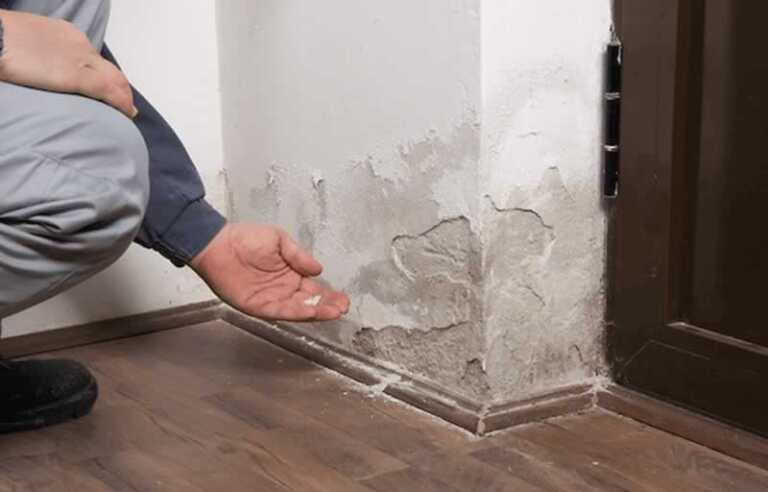
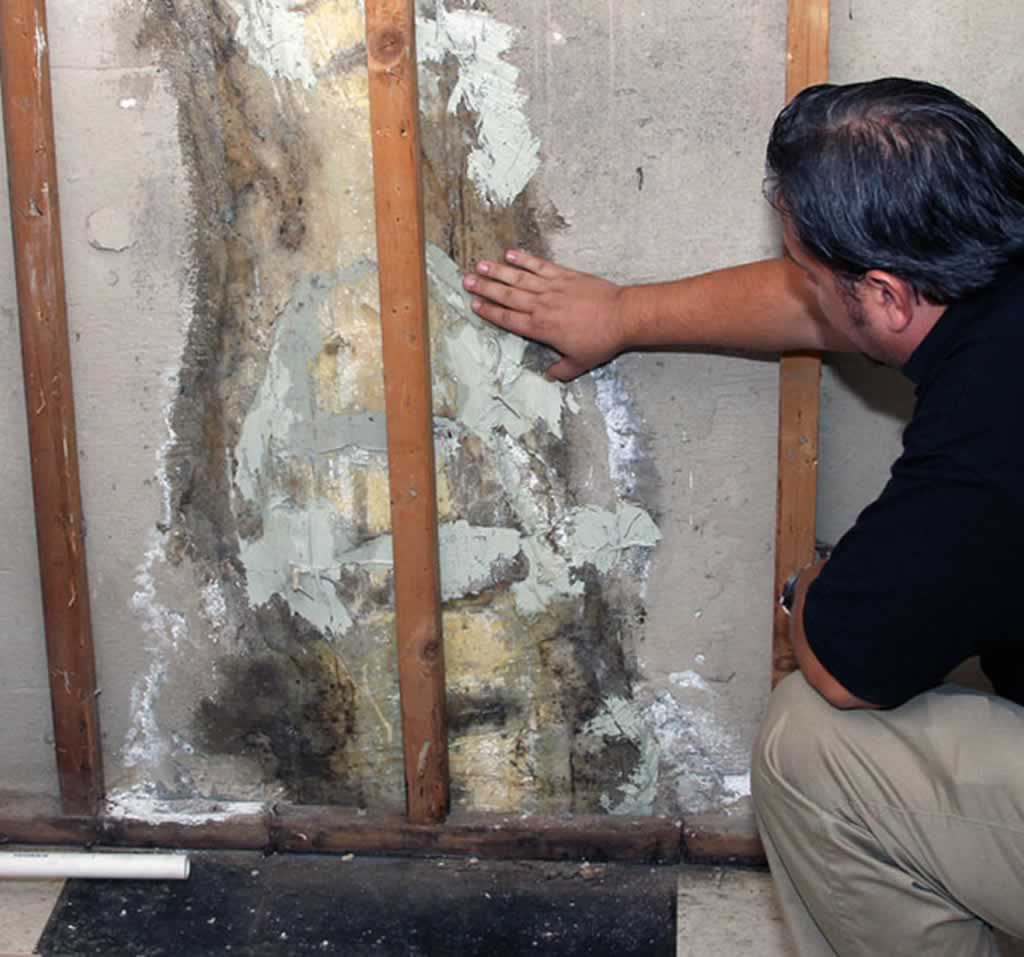
Water does not always remain where it first appears. It can travel underneath flooring, behind walls, beneath kitchen cabinets, and into insulation.
Even a relatively small leak may affect a larger area than expected.
Watch for warning signs such as:
- Musty or damp odors
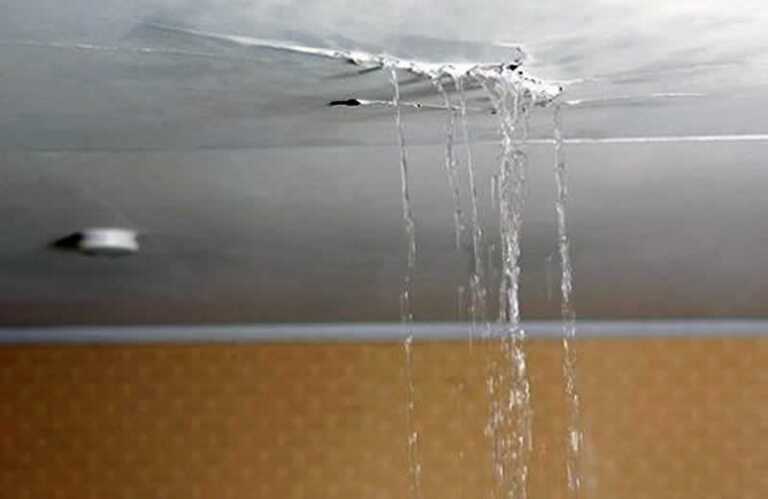
- Discolored walls or ceilings
- Peeling paint or bubbling wallpaper
- Swollen baseboards
- Warped hardwood flooring
- Soft or sagging drywall
- Persistent indoor humidity
These symptoms may appear after the initial incident, so continue monitoring affected areas.
Professional restoration technicians use moisture meters and other specialized equipment to locate moisture that cannot be identified through visual inspection alone.
8. Start the Drying Process Promptly
After standing water has been removed, affected materials need to dry thoroughly. This stage is essential because moisture trapped inside a structure can contribute to mold growth and material deterioration.
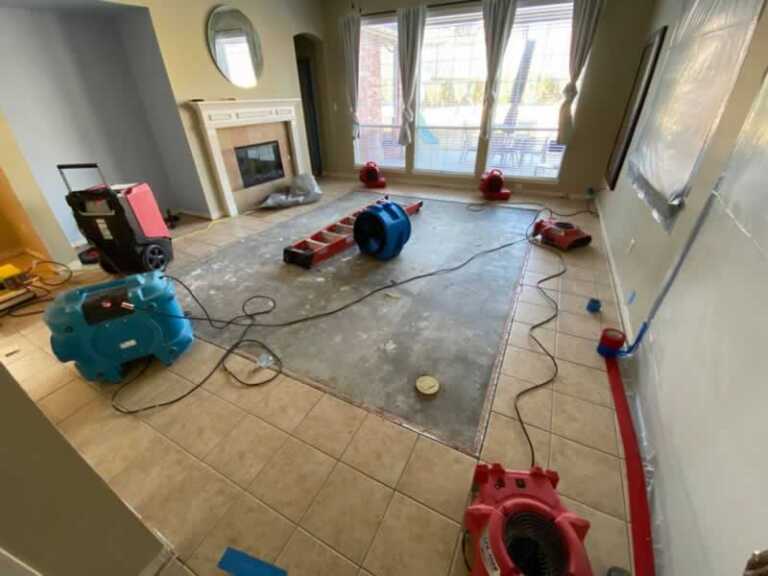
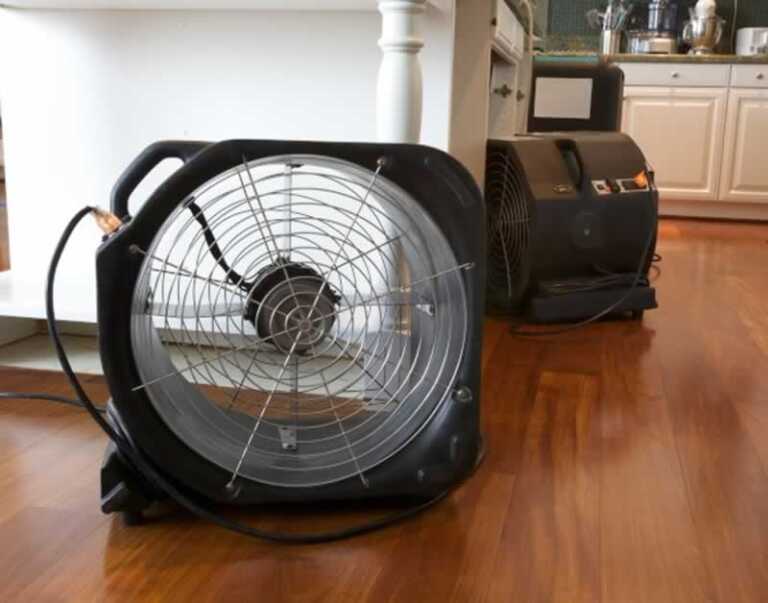
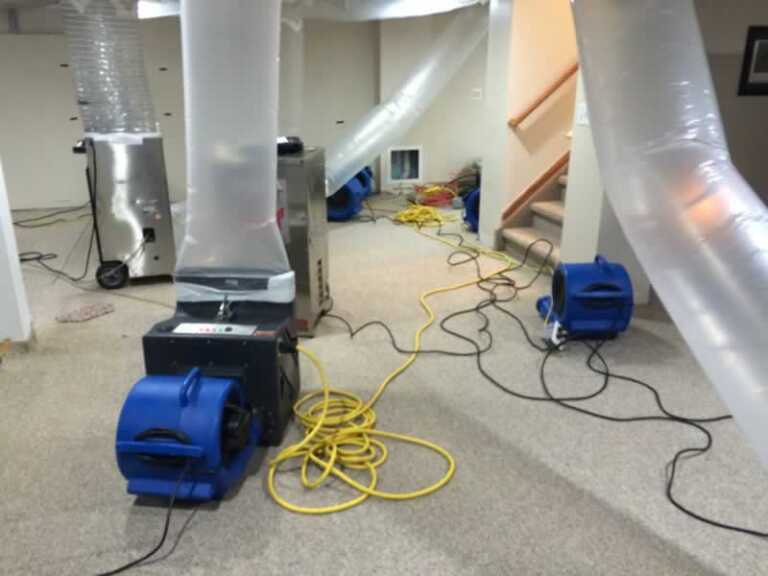
Commercial air movers circulate air across wet surfaces, while dehumidifiers remove excess moisture from the indoor environment. Technicians monitor conditions and adjust equipment as drying progresses.
The time required depends on the amount of water, the materials affected, indoor humidity, and how quickly the response began.
Mold can begin developing within approximately 24 to 48 hours under favorable conditions, although actual growth depends on the environment and available moisture. This is one reason homeowners should not wait several days before addressing significant water damage.
Household fans alone may not be sufficient when water has penetrated structural materials.
9. Understand When Professional Restoration Is Necessary
Some minor spills can be handled at home, but larger water losses require a more thorough approach.
Professional assistance is recommended when water has affected multiple rooms, soaked carpets or insulation, entered wall cavities, or remained in the property for an extended period. It is particularly important when the water may contain sewage or other contaminants.
A restoration company can assess the damage, extract standing water, establish controlled drying conditions, and determine which materials can be salvaged.
If you are uncertain about how far the water has spread, an inspection can help identify problems before they become more expensive to repair.
10. What to Expect From the Restoration Process
The restoration process usually begins with an inspection and damage assessment. Technicians identify the likely source of the water, determine which areas have been affected, and establish a plan for mitigation.
Water extraction follows when standing water is present. The team then dries affected materials and monitors moisture levels to confirm that drying is progressing appropriately.
Depending on the extent of the damage, additional work may involve cleaning, removal of unsalvageable materials, odor control, and repairs to drywall, flooring, insulation, or cabinetry.
The final timeline varies. A minor incident may require only a few days of drying and limited repairs, while extensive flooding can take considerably longer to restore.
A reliable restoration provider should explain the recommended work and communicate any changes as the project progresses.
11. Prevent Future Water Damage
Once the immediate problem has been addressed, take time to identify ways to reduce the risk of another incident.
Inspect plumbing connections, appliance hoses, water heaters, and exposed pipes periodically. Clean gutters and downspouts so rainwater can drain away from the house, and examine the roof for damaged shingles or flashing.
If your home has a basement, check that sump pumps operate correctly and that exterior grading directs water away from the foundation.
During cold weather, protect vulnerable pipes against freezing. When leaving the property for an extended period, consider shutting off the main water supply if appropriate for your plumbing system and household needs.
Regular maintenance cannot prevent every emergency, but it can help catch developing problems before they cause substantial damage.
Conclusion
Discovering water damage in your Catonsville home can be unsettling, but taking the right steps early can make a significant difference. Start by protecting everyone from electrical and structural hazards, stop the water source when safe, document the damage, and notify your insurance provider. Remove standing water only when conditions permit, and do not assume that surfaces are completely dry simply because visible moisture has disappeared.
Hidden moisture is often the most difficult part of water damage to address. When water has reached walls, flooring, insulation, or multiple rooms, professional assessment and controlled drying can help prevent further deterioration and reduce the likelihood of costly repairs.
The sooner you respond, the better your chances of protecting your property and returning your home to normal. A careful approach during the first few hours can save considerable time, money, and stress throughout the recovery process.