If your home is not connected to a municipal sewer, a septic system quietly treats all the wastewater from your sinks, toilets, showers and appliances. When it works well you hardly notice it, but neglect can lead to unpleasant backups, contaminated yards and very expensive repairs. Homes on city sewer have their own concerns with sewer lines. This category brings together guides on septic systems and sewer lines.
A septic system is a key component of the wastewater treatment of homes that are not connected to a city sewerage system. Once it starts failing, whether or not to repair or replace it is not straightforward to determine. Ignoring the issue can lead to environmental hazards and economic losses. Being aware of the indicators…
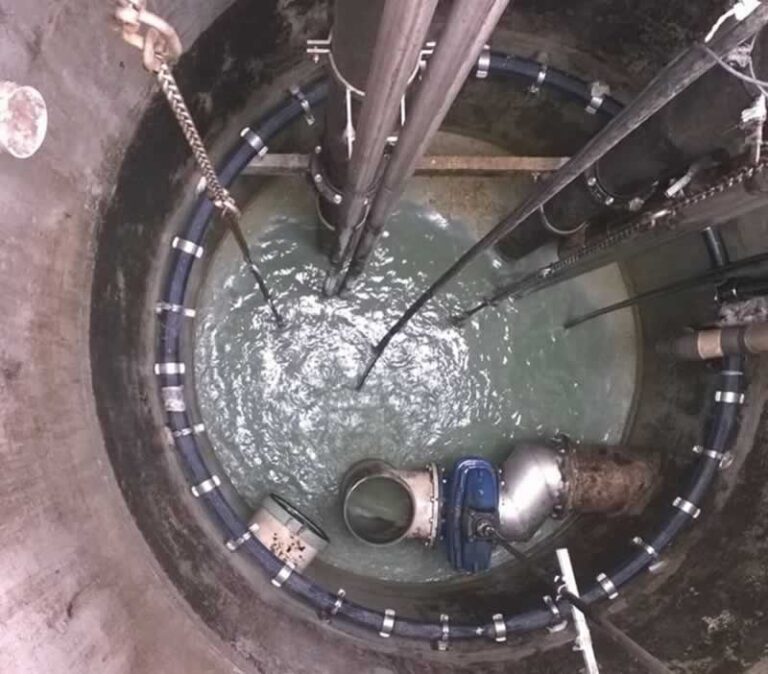
When it comes to sewage pump stations, proper maintenance is the key to ensuring optimal performance. These vital systems play a crucial role in managing wastewater and preventing overflow or blockages. But without regular care and attention, they can become prone to breakdowns and inefficiencies. In this comprehensive guide, we will walk you through the…
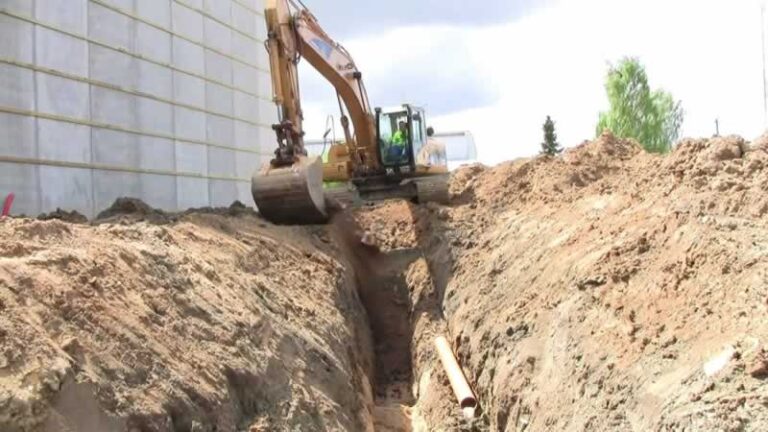
Embarking on a sewer excavation project can feel like plunging into the unknown. As you delve into the depths of your property’s underground, you may be greeted with unexpected challenges and surprises. That’s where this comprehensive guide to sewer excavation comes in. Whether you’re a homeowner, a property manager, or a contractor, understanding the intricacies…
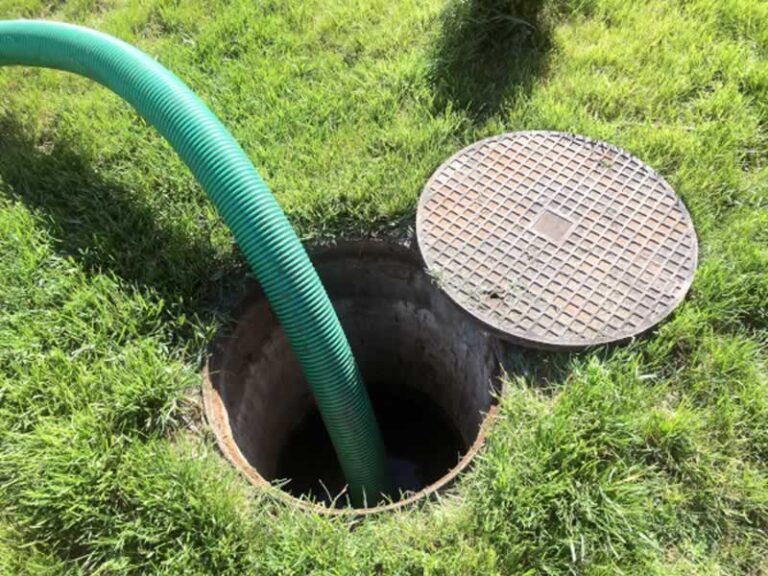
Finding a reliable and trustworthy septic tank pumping service is essential for maintaining your home’s plumbing system. Unfortunately, it can be difficult to find the best services in your area—with so many companies offering various services, it can be hard to know who you should trust with such an important job. To help make this…
Remodeling a home is an exciting, yet daunting task. There are many decisions that need to be made, especially for larger renovations where walls are being removed and plumbing is being reworked. Oftentimes, the biggest decisions aren’t about what color paint the walls are going to be, rather they center around the new appliances and…
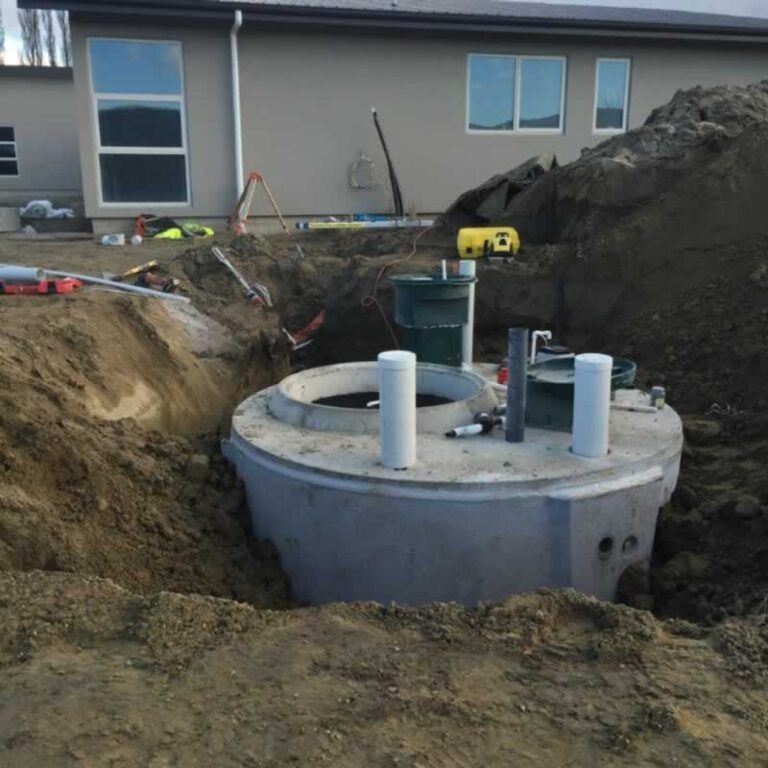
Homeowners living in the country oftentimes do not have access to municipal septic systems. This requires either holding tank style septic systems or septic systems featuring holding tanks and leach fields with vent pipes. The problem many homeowners face is hiding the ugly concrete septic risers and white plastic vent pipes. These large, unattractive utilities…
Septic tanks are drainage systems for properties without access to the main sewer. All waste from the property is stored in the tank, where solids settle, and liquids are released through an outlet pipe into the ground. The septic tank holds house sewage, from which floatables and solids are removed. As of 2020, this wastewater…
Septic tanks are a very important part of your plumbing system. They contain wastewater and transfer it to a treatment facility or leach field. Septic tanks are underground and hold the wastewater from toilets, sinks, and baths. If this tank gets clogged with solids, it can cause backups, leading to major health issues. This checklist…
Your septic tank is a vital part of your home, and it’s essential to keep it in tip-top shape. In this blog post, we’ll discuss the importance of septic tank maintenance and provide some helpful tips for keeping your septic tank in good condition. You must know the necessary maintenance steps if you have a…
Drain blockage is one of the most commonly found plumbing issues. You dread it, we dread it, and every homeowner dreads it to the core. However, blockages can occur even when you take utmost care of them, and small articles can flush down accidentally and block the water flow. With time, grease and some other…
More about Septic system
Understanding how a septic system works is the first step. Our articles explain how wastewater flows into the tank, how solids settle and break down, and how liquid effluent moves to the drain field for treatment in the soil. We also answer common questions about underground water tanks and related systems.
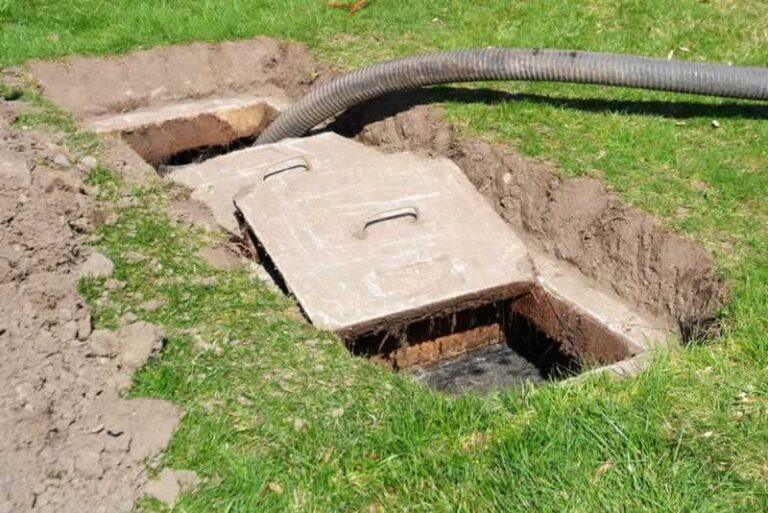
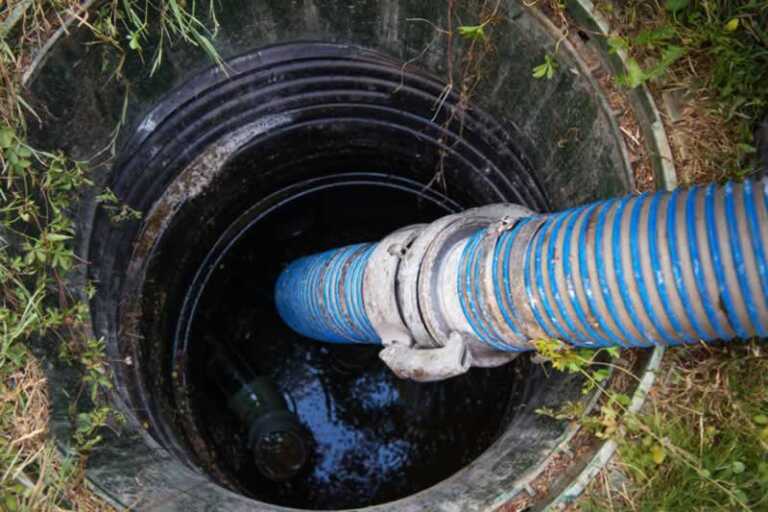
Pumping is the most important maintenance task. Our guide to septic tank pumping explains how often tanks typically need pumping, often every three to five years depending on tank size and household use, how to tell when pumping is due and what happens during a service. Keeping records of inspections and pumping helps you stay on schedule.
Warning signs help you catch problems early. These include slow drains throughout the house, gurgling pipes, sewage odors indoors or outdoors, unusually lush or soggy areas over the drain field and backups in low fixtures. For sewer lines, our article on signs your home sewer line is failing covers similar symptoms. We also explain what sewer jetting is and how high-pressure water cleaning clears stubborn blockages in sewer lines.
Good habits keep systems healthy. Our tips include conserving water, spreading out laundry loads, flushing only toilet paper, keeping grease, wipes and chemicals out of drains, avoiding driving or building over the drain field and keeping tree roots away from pipes.
Septic tanks contain hazardous gases, so never enter or lean into a tank. Inspections, pumping and repairs should be carried out by licensed professionals. This category is part of our plumbing tips section.