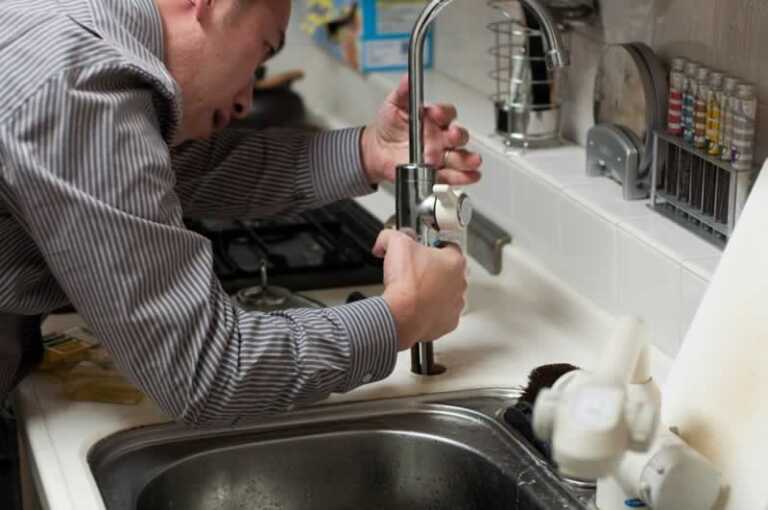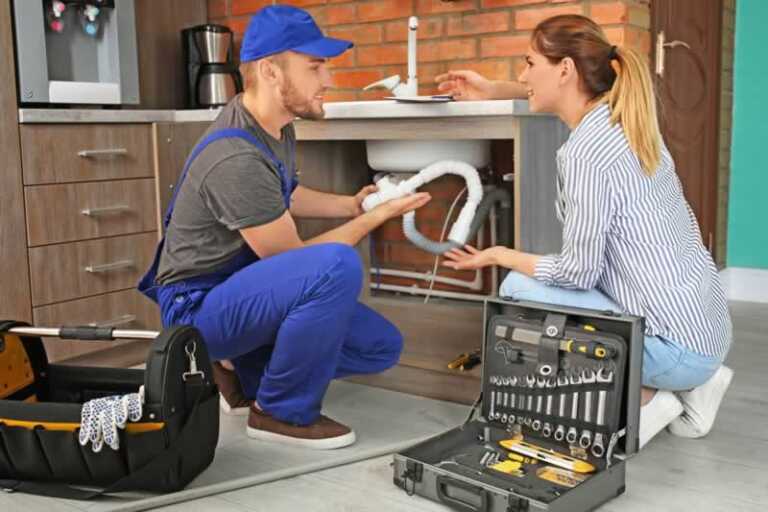
Do it yourself when the work is cosmetic, reversible and needs no permit: paint, trim, hardware, fixtures that swap one-for-one. Hire a licensed general contractor when the job needs a permit, touches plumbing, electrical or structure, or hides water behind a finished surface. Decide before demolition, because a half-gutted room is the hardest job to hand off.

What Is a General Contractor, and What Are You Really Handing Off?
A general contractor is the licensed party who takes responsibility for an entire job: scheduling the trades, pulling permits, ordering materials, and answering for the result. In Florida, that is a state-certified license, and you can check any contractor’s status with the state’s Department of Business and Professional Regulation before you sign anything.
Most DIYers think they are buying labor. They are mostly buying coordination. The tile setter cannot start until the plumber has finished, the plumber cannot close the wall until the inspector has looked, and the inspector cannot look until someone filed the permit. A contractor’s real product is that sequence running without gaps.
Why the Line Between DIY and Pro Sits Where It Does
The line is not about skill. Plenty of homeowners can set tile well. It sits at three places where a mistake stops being visible or stops being cheap to fix.
Permits and inspections
Work that touches plumbing, electrical or structure generally needs a permit, and the inspection is the part you cannot do yourself. Unpermitted work tends to surface at the worst moment: when you sell, refinance or file an insurance claim.
Water you cannot see
A bathroom failure rarely announces itself. A shower built without proper waterproofing looks perfect for months while moisture works into the framing. There are two sound methods, a waterproofing membrane or waterproof board, and the right one depends on the budget and the room. Either way, flood-test a shower pan before any tile goes down. Skipping that test is the single most common way a first-time shower build fails invisibly.
Multiple trades in one room
A kitchen remodel is not one job. It is cabinets, countertop templating, plumbing, electrical, flooring and paint, each waiting on another. One missed handoff idles the whole room.
DIY vs. Contractor at a Glance
| Project | Typical call | Why |
| Interior paint, caulk, hardware | DIY | Reversible, no permit |
| Swapping a faucet or light fixture | DIY | One-for-one, no new lines |
| Tub-to-shower conversion | Contractor | Plumbing, waterproofing, tile |
| Full kitchen or bath remodel | Contractor | Permits and multiple trades |
| Moving walls, additions, ADUs | Contractor | Structural, inspected |
| Water damage | Contractor | Drying must start while water is still present |
The Order-of-Operations Mistake Nobody Warns You About
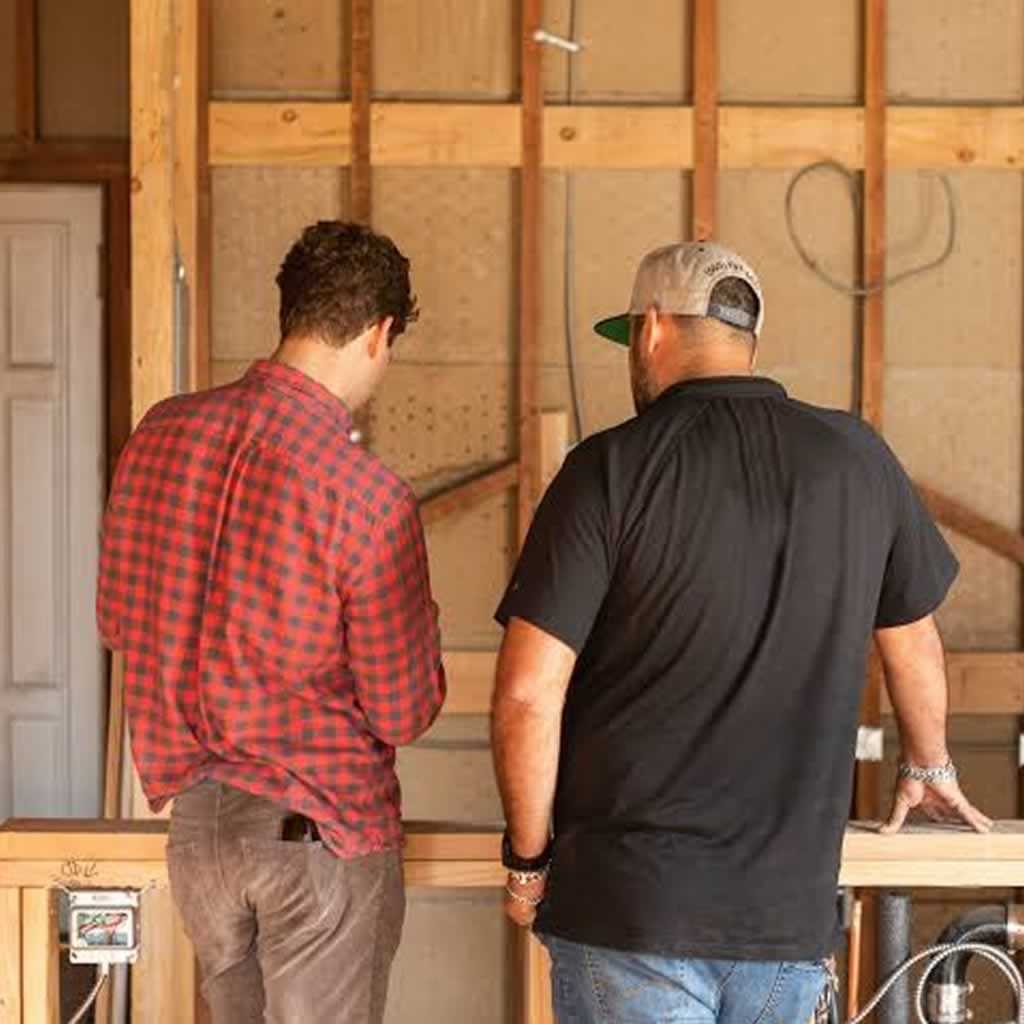
The point most DIY guides skip: decide who does the job before you start demolition, not after. Homeowners often tear out a bathroom to save money, discover a rotted subfloor or an unworkable drain location, and then call a contractor into a room with no plan, exposed framing and a clock running on their only shower. A contractor can scope a finished room far more accurately than a half-demolished one, and demolition you did yourself can hide the evidence of what was there.
Hiring Locally: What to Expect From a General Contractor in Lutz
If you are in the north Tampa suburbs, a local general contractor already knows how the county handles permits and which inspectors to expect. A general contractor Lutz homeowners can hire should be able to answer a few concrete questions before you sign:
- Who does the work? Ask whether it is an in-house crew or subcontractors. Elite Builder Renovation, for example, uses its own in-house crew, which means the people who quote the job are accountable to the people who build it.
- Who pulls the permit? The contractor should, on every project. Some firms use a private permitting provider alongside the county, which can make approvals and inspections move faster.
- What is the warranty, in writing? A one-year labor warranty is a specific, checkable promise. A vague commitment to stand behind the work is not.
- How will you know what is happening? Look for a single project manager and regular updates, such as daily photos in a group text, rather than silence between visits.
- How does payment work? A deposit, then draws as each stage is completed, with the final payment held until you have walked the finished work and are satisfied.
The last point deserves attention. Payment tied to completed stages keeps the contractor’s incentives aligned with yours.
Paying for the Pro Without Draining Savings
Cost is why most people try DIY in the first place, and it is worth separating the real savings from the false ones. Labor is the part you can reasonably save on cosmetic work. On permitted, structural or water-sensitive work, the savings tend to disappear the first time something has to be redone.
If the budget is the obstacle rather than the skill, look at contractor financing tampa, fl options before you decide to do a bathroom yourself. Spreading a project over time often costs less than a failed DIY that has to be torn out and rebuilt.
Common Mistakes
- Starting demolition first. See above: scope the job while the room is still intact.
- Skipping the flood test on a shower pan.
- Assuming a permit is optional because no one will check.
- Buying materials before the plan is set. If you supply your own materials, confirm the installer will work with them before you buy.
- Hiring on the lowest quote. Compare what each quote includes, not just the total.
FAQ
Can I do a tub-to-shower conversion myself?
You can, but it involves plumbing, waterproofing and tile in one small space. A mistake in the waterproofing stays hidden until it damages the framing. Many contractors will take it as a standalone job.
Do I need a permit for a bathroom remodel in Florida?
Work involving plumbing, electrical or structure generally does. Cosmetic updates usually do not. Confirm with your local building department before starting, because rules vary by jurisdiction.
Is it cheaper to buy my own materials?
Sometimes, but not always. Some contractors install customer-supplied materials, so ask before you buy. You also take on ordering, delivery timing and any defects.
How do I check a contractor’s license in Florida?
Use the license lookup on the Department of Business and Professional Regulation’s website. Confirm the license type, that it is active, and that the name matches your contract.
What should I do first if my home has water damage?
Stop the source, then start extraction and drying while the water is still present. Waiting lets moisture spread into framing and drywall. Rebuilding comes after the structure is dry.
Before You Decide
Write down, for your specific project, three answers: does it need a permit, does it put water behind a finished surface, and does it involve more than one trade? Two or more yes answers means the coordination, not the labor, is what you should be paying for.