
Most plumbing trouble can wait until Monday. A dripping faucet or a slow tub drain costs you a few dollars and some patience. A small group of failures works differently: the damage grows by the hour, and by morning a $300 fix can turn into a $15,000 restoration job.
Chicago homes face these failures more often than most. Much of the housing stock is old, basements are standard, and the city’s sewer system was largely built before 1930. Below are five problems that justify calling a 24 hour plumber Chicago residents can reach at night, what each one looks like early, and what to do in the first 30 minutes.
1. Burst or Frozen Pipes
Signs Your Pipe Has Burst
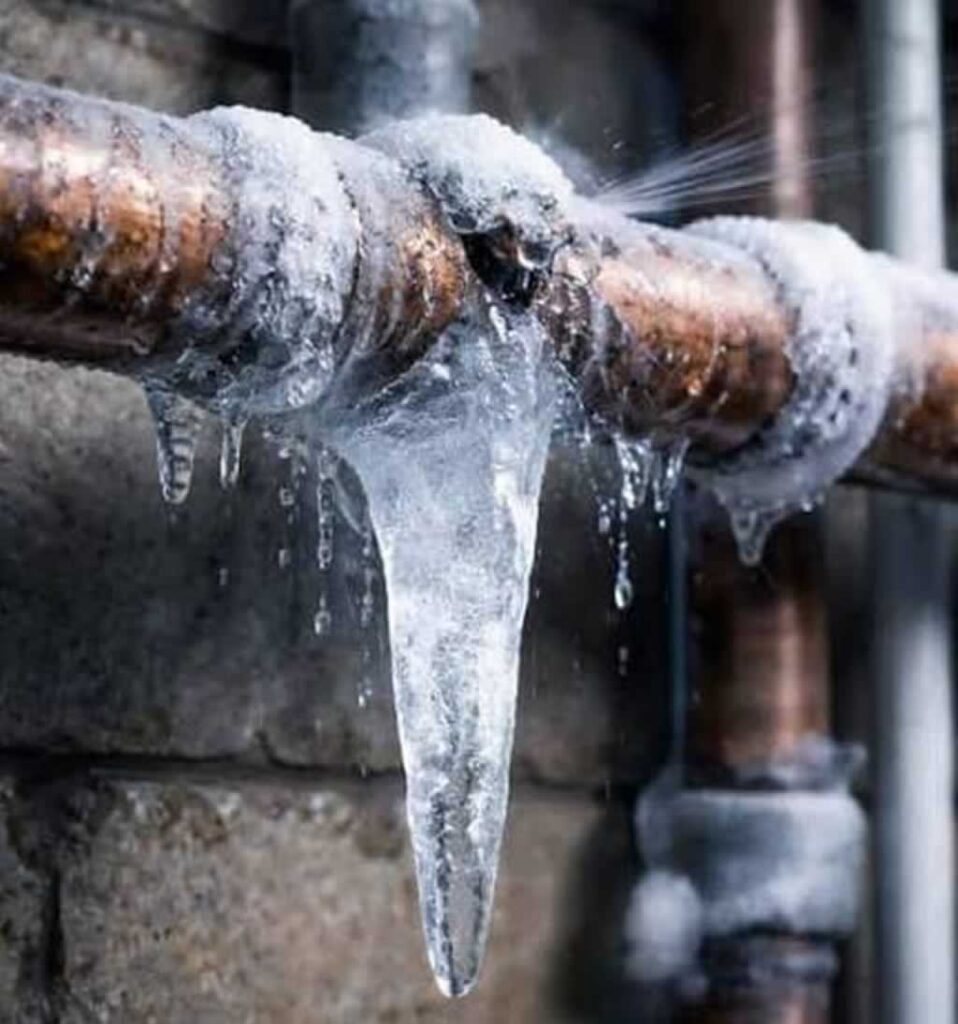
A sudden drop in water pressure, a hissing sound behind a wall, or water spreading across a basement floor are the clearest signals. In winter, a faucet that gives only a trickle usually means an ice blockage has already formed somewhere along the line.
Why It Can’t Wait
A broken half-inch supply line can release around 50 gallons per minute. If nobody is home, that adds up to thousands of gallons in a few hours. The pipe often splits not at the ice itself but between the ice plug and the closed faucet, where pressure builds with nowhere to go.
How to Repair Frozen Pipes Before They Burst
Research by the Building Research Council at the University of Illinois found that uninsulated pipes in unheated spaces start freezing when the outdoor temperature falls to about 20°F. Wind matters too: cold air leaking through a gap in a rim joist can freeze a line well before the thermometer says it should. That is why frozen pipes Chicago homeowners deal with usually sit along exterior walls, in crawl spaces, and near garages.
If a line is frozen but intact, open the nearest faucet and warm the pipe slowly with a hair dryer, starting from the faucet end. Never use an open flame. If you can’t find the frozen section, or the pipe is inside a wall, searching for frozen pipe repair near me is the safer move than cutting drywall blind.
2. Sewer Backup in Chicago Homes
Warning Signs of a Sewer Backup
Water rising in a floor drain, gurgling toilets when the washer drains, or the same clog showing up in several fixtures at once all point to the main line, not a single drain. A sewage smell in the basement after rain is another early sign.
Health Risks and Damage
Sewer backup Chicago homes experience is mostly a rainfall problem. Chicago runs a combined system, meaning stormwater and household waste share the same pipes. Modeling by the Chicago Department of Water Management shows these sewers can be overwhelmed once rainfall passes about two-thirds of an inch. When that happens, raw sewage takes the easiest exit, which is often a basement floor drain. Anything it touches, from carpet to drywall, usually has to be removed, not cleaned.
When You Need Emergency Sewer Repair Chicago Plumbers Provide
Call immediately if sewage is entering the house, if every drain is backing up, or if the backup happens on a dry day. A dry-weather backup means the blockage is in your own line, often from roots or a collapsed clay pipe, and it will keep coming back until the line is cleared and inspected with a camera.
Chicago Sewer Backup Prevention Tips
Install a backwater valve or an overhead sewer, the two most effective fixes for older Chicago basements.
Keep grease, wipes, and paper towels out of drains.
Have the main line camera-inspected if the house is over 50 years old.
3. Water Heater Leak or Failure
Signs of a Failing Water Heater
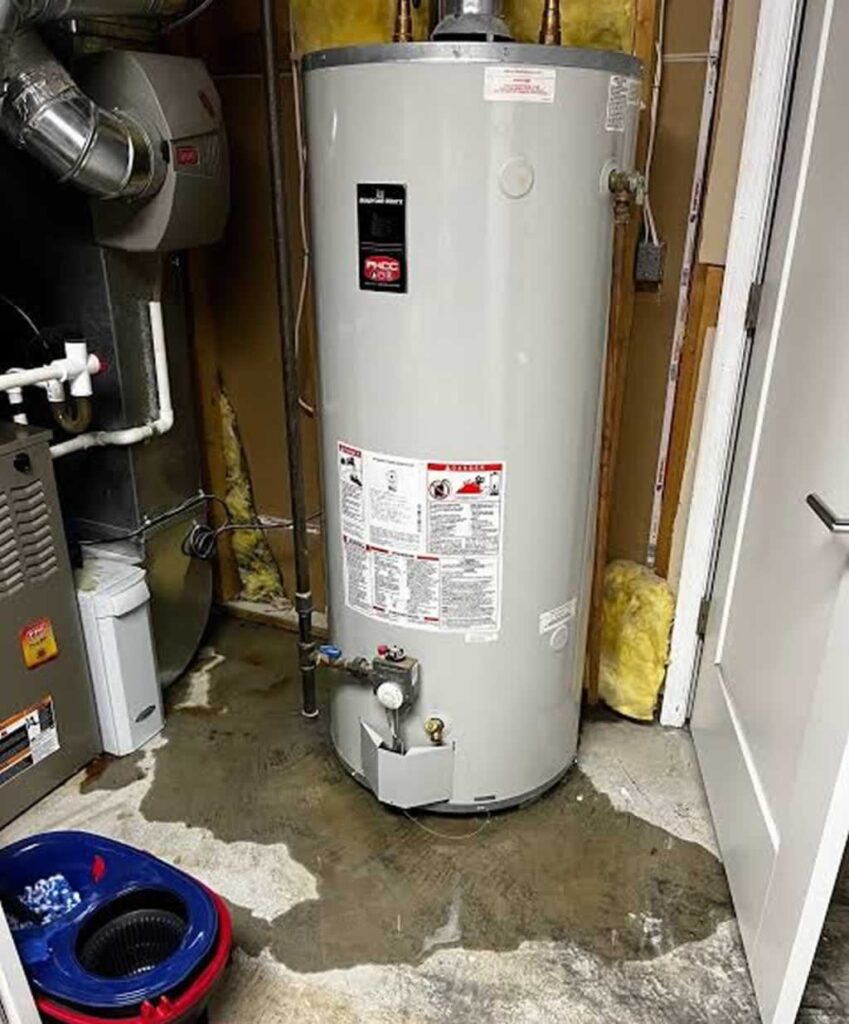
Most tank water heaters last 8 to 12 years. Past that point, watch for rusty hot water, popping or rumbling sounds from sediment, moisture around the base, and water dripping from the discharge pipe on the side of the tank.
Why a Leaking Tank Is an Emergency
A tank holds 40 to 50 gallons and refills automatically, so a failed tank keeps feeding water into the room until someone shuts the supply. The bigger risk is the temperature and pressure relief valve. It exists to vent pressure if the tank overheats. If that valve is seized with mineral buildup, a malfunctioning heater has no safety outlet. A valve that drips constantly is also a warning, not something to ignore.
Safety Steps Before Help Arrives
Close the cold-water valve on top of the tank.
Turn the gas control to “Pilot” or “Off”, or switch off the breaker on an electric unit.
If you smell gas, leave the house and call your gas utility first.
Once the area is safe, a request for emergency water heater repair Chicago technicians can handle overnight will determine whether the unit can be repaired or must be replaced.
4. Sump Pump Failure and Basement Flooding
What Causes Sump Pump Failure?
The most common causes are a stuck float switch, a clogged intake, a frozen or blocked discharge line, and simple age, since most pumps wear out after about ten years. A pump that runs constantly or cycles on and off every few seconds is close to failing.
Sump Pump Power Failure During a Storm
The heaviest Chicago storms also knock out power, which leaves the pump idle exactly when the pit fills fastest. A battery backup or a water-powered backup pump is the only protection against sump pump power failure. Test it each spring by pouring a bucket of water into the pit with the main pump unplugged.
Is Sump Pump Failure Covered by Insurance?
Usually not. Standard homeowners policies cover sudden water damage such as a burst pipe, but exclude water that backs up through drains or overflows from a sump pit. Sump pump failure insurance comes as a separate water backup endorsement. Even with that endorsement, many policies pay for the flooded basement but not for the pump itself. Check your declarations page for a line labeled “water backup” or “sump pump overflow” before the next storm season.
5. Hidden Leaks Inside Walls
Signs of a Leak Inside the Wall
Look for stains that keep spreading, bubbling paint, loose baseboards, a musty smell in one room, or the sound of running water when every fixture is off. Another reliable test: turn off all water and check whether the meter keeps moving.
When a Hidden Leak Becomes an Emergency
Water dripping through a ceiling, a stain growing visibly within hours, sagging drywall, or moisture near outlets all call for an immediate visit. According to utility leak calculators, a 1/8-inch hole in a line at normal 60 psi pressure can lose roughly 3,300 gallons a day.
Why Waiting Makes It Worse
The EPA advises drying water-damaged materials within 24 to 48 hours to prevent mold, and notes that a wall cavity is the hardest area to dry. A leak left for a week can rot framing and soak insulation. Repairing the pipe is usually the cheap part of the job.
What to Do Before the Plumber Arrives
Shut off the main water valve, usually near the meter in the basement.
Turn off power to the affected area if water is near wiring.
Photograph the damage for your insurer.
Don’t open the wall yourself. A plumber can locate the leak with a moisture meter or thermal camera and cut one small access hole.
How to Choose a 24 Hour Plumber in Chicago
Licensing in Chicago has a detail many homeowners miss. A plumber licensed by the Illinois Department of Public Health can work in the city only if the employer also holds a City of Chicago plumbing contractor license. Ask for both, and verify the individual license on the IDPH website.
Beyond licensing, ask three questions on the first call: what the after-hours fee is, how soon a technician can arrive, and whether the work carries a warranty. A company that answers clearly is usually the one to trust with plumbing repair Chicago homes need at 2 a.m. Teams like Fix Pro Solutions handle overnight calls across the city as a 24 hour plumber Chicago homeowners can reach when a problem can’t wait.
Finally, save that number before you need it. The five problems above all start small, and the first hour decides most of the final bill.