Author: John Barnes

John Barnes is a certified handyman from Phoenix, Arizona, and the founder, owner and sole author of Handyman Tips. He has worked in home repair for more than 25 years, starting as an apprentice in 1998 and spending his first decade on the job doing everything from carpentry and plumbing to small electrical repairs, large appliance repairs and all kinds of fixes around the house. In 2008 John started his own business as an all-round house handyman, and he still runs it today. He is certified in carpentry, plumbing and electrical repairs, and his day-to-day work regularly takes him well beyond those trades. John launched Handyman Tips in February 2014 to share what he has learned on real jobs: how to diagnose common problems, how to tackle repairs and DIY projects safely, and when it is time to call a licensed professional. Every guide is written to help homeowners save money, avoid costly mistakes and look after their homes with confidence. Outside of work, John is a keen woodworker with a special love for wood carving and woodturning.
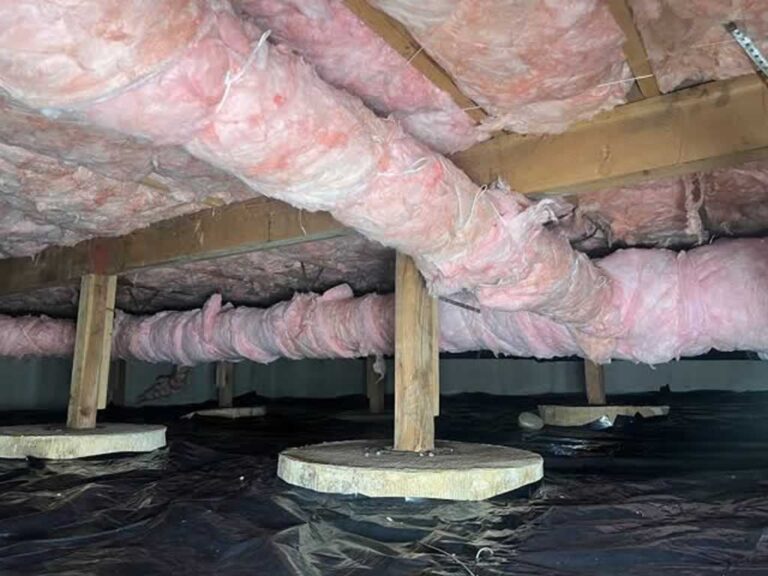
  • Here’s Why It’s Important To Waterproof Your Crawl Space

    Out of sight, out of mind — that’s the crawl space philosophy for most homeowners. But what’s happening down there touches far more than people expect. Structural integrity. Air quality. Monthly utility bills. Most homeowners never think about it until a disaster forces the issue — by which point the damage is already deep. Catching…

  • Signs Your Bathroom Would Benefit From A Remodel

    Your bathroom is one of the most frequently used spaces in your home, and over time, wear and tear can begin to affect both its appearance and functionality. While some issues can be addressed with minor repairs, there comes a point when a full remodel may provide greater value and long-term benefits. An updated bathroom…

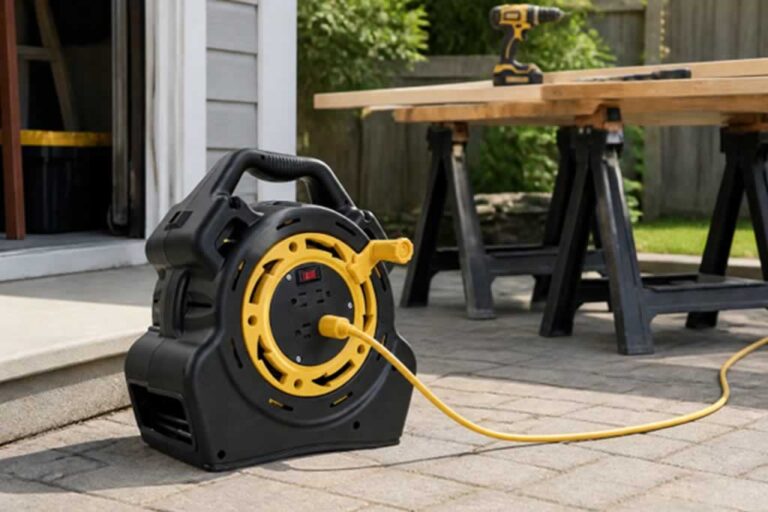
  • How to Use an Outdoor Extension Cord Reel Safely and Efficiently

    Outdoor projects often begin with the same practical problem: the nearest outlet is not near the work. Whether the job involves a drill, shop vacuum, work light or another portable tool, an extension cord creates the temporary connection that keeps the project moving. A reel makes that cable easier to deploy, retrieve and store. It…

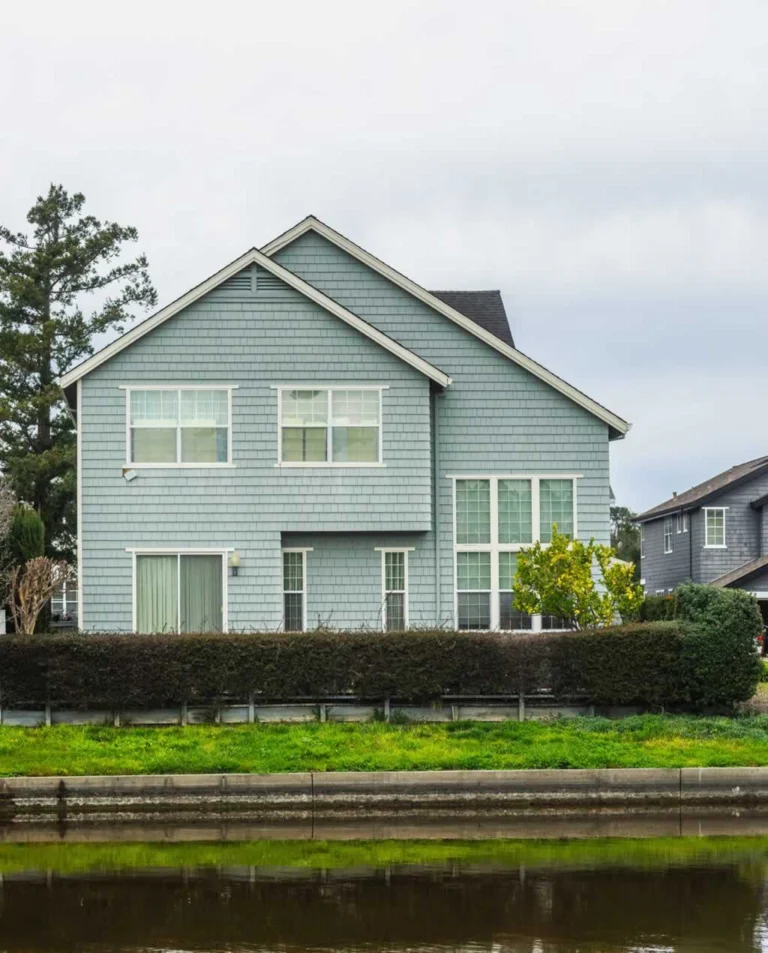
  • Here’s How You Can Increase Your Home’s Value

    Increasing the value of a home is a goal that most homeowners share, whether the motivation is a near-term sale, a desire to build equity more aggressively, or simply the satisfaction of owning a property that is well-maintained and thoughtfully improved. Not all home improvements contribute equally to value, however, and the homeowners who achieve…

  • 7 Dumpster Planning Decisions That Keep Renovation Projects Moving

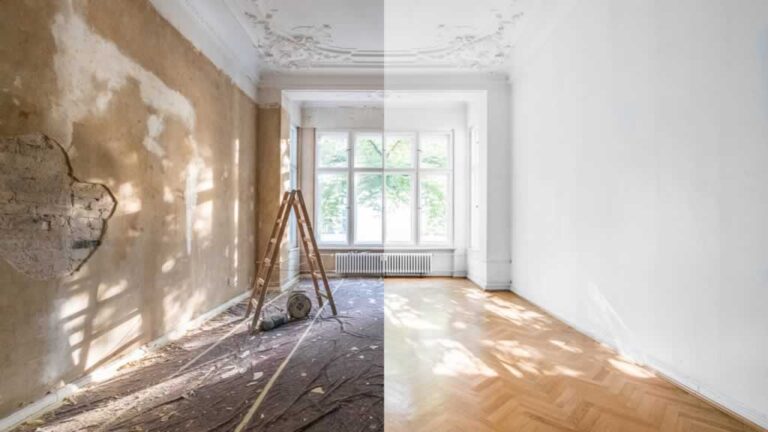
    Renovation projects rarely go off track because someone forgot the new tile or paint color. More often, the slowdown comes from the less glamorous parts of the job: where debris goes, how quickly it leaves the site, whether the container blocks access, and what happens when the first load fills faster than expected. A dumpster…

  • Here’s How You Can Bring Your Residential Construction Projects To Life

    Bringing a residential construction project from concept to completed reality is one of the most complex and rewarding undertakings in the built environment, requiring the careful coordination of design, engineering, permitting, procurement, labor, and quality control across a timeline that is almost always more compressed than everyone involved would prefer. Whether the project is a…

  • 2-Seater vs 4-Seater Sofa: Find the Best Fit for Your Home

    Choosing the right sofa is an important decision when creating a comfortable and functional living space. The size of a sofa can influence how a room feels, how people interact within the space, and how easily other furniture pieces can be arranged. While a larger sofa may provide extra seating, a smaller design can offer…

  • How to Improve Home Comfort Without Replacing the Entire HVAC System

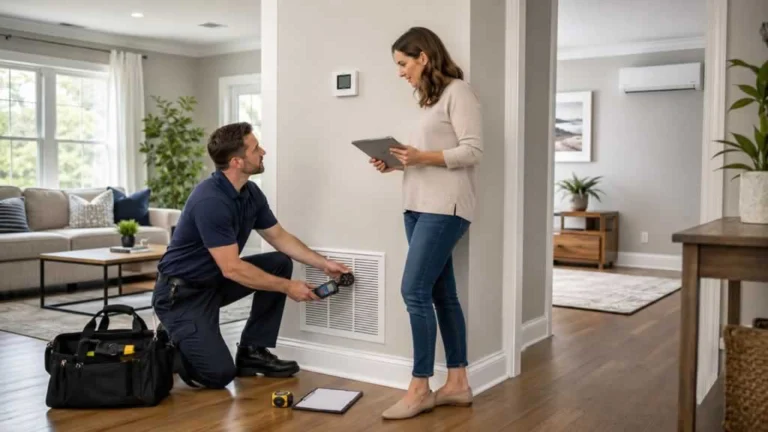
    A home can feel uncomfortable even when the heating and cooling equipment is technically working. One bedroom may stay warm all summer, the basement may feel damp and chilly, and the room above the garage may seem to have its own climate entirely. These problems often lead homeowners to assume that the entire HVAC system…