

Increasing the value of a home is a goal that most homeowners share, whether the motivation is a near-term sale, a desire to build equity more aggressively, or simply the satisfaction of owning a property that is well-maintained and thoughtfully improved. Not all home improvements contribute equally to value, however, and the homeowners who achieve the best return on their improvement investments are those who understand the distinction between upgrades that buyers consistently pay for and those that reflect personal preference without translating into market value. Knowing where to focus attention and investment, and understanding what level of quality and finish is appropriate for the neighborhood and price point, gives homeowners the framework to make improvement decisions that genuinely and measurably increase what their home is worth.
Kitchen Improvements Deliver Among the Strongest Returns
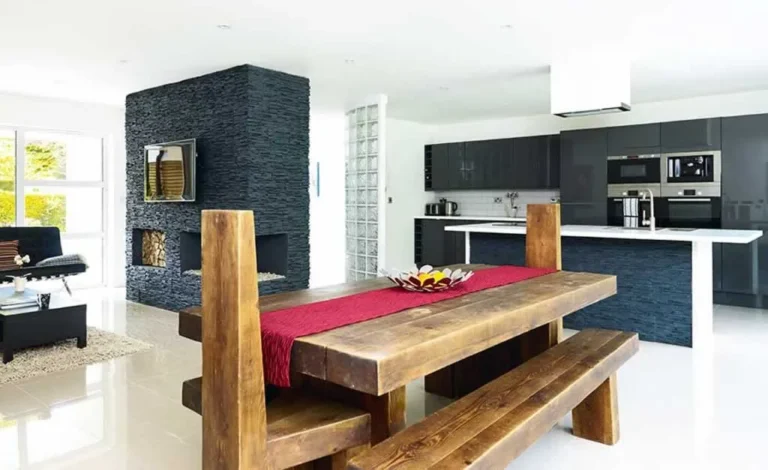
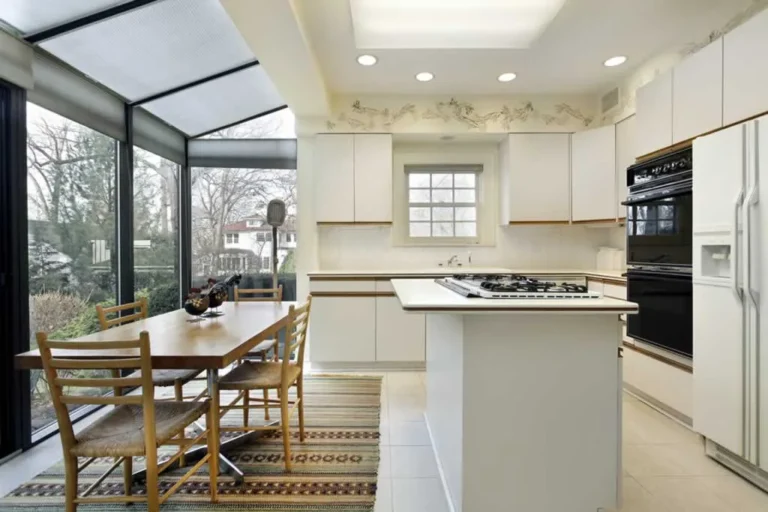
The kitchen is consistently identified in real estate research as the room with the greatest influence on home value and buyer appeal, and targeted kitchen improvements regularly deliver some of the highest returns on investment available in residential real estate. A full kitchen renovation is not always necessary or cost-effective, particularly in markets where the baseline value of the home limits how much improvement investment can be recovered in a sale, but strategic updates to the most visible and most functional elements of the kitchen can produce significant value increases at relatively modest cost. Cabinet updates, which can range from full replacement to professional refinishing or door and hardware replacement on existing boxes, transform the appearance of the kitchen more dramatically than almost any other change. Countertop replacement is another high-impact upgrade that significantly affects buyer perception of kitchen quality and modernity. Replacing quality multifamily countertops through a well-stocked supplier like Multi Housing Depot gives homeowners access to the surface materials that buyers find most appealing, from quartz and granite to quality laminate options that deliver an updated look at a more accessible price point. Appliance updates, lighting improvements, and backsplash additions round out the kitchen upgrade toolkit that smart homeowners use to maximize kitchen appeal without overspending relative to the value the market will recognize.
Bathroom Updates Have Significant Impact on Buyer Perception
Bathrooms, particularly the primary bath and any other bathrooms buyers will spend meaningful time evaluating, are the second most influential rooms in determining home value and buyer appeal, and targeted updates to dated or worn bathrooms consistently produce strong returns on investment. Vanity replacement or refinishing, fixture updates, tile repair or replacement around tubs and showers, and the addition of updated lighting and mirrors can transform the perception of a bathroom at a fraction of the cost of a full renovation. The condition and modernity of fixtures is particularly important, as leaking faucets, stained or rusted fixtures, and visibly dated hardware signal deferred maintenance and a need for investment that buyers incorporate into their offer calculations. A clean, well-maintained bathroom with updated fixtures and a functional layout consistently outperforms a larger but dated and poorly maintained bathroom in buyer evaluations, which means that condition and attention to detail matter as much as square footage in bathroom value contribution. Ensuring that all tile grout is clean and in good condition, that caulk lines are fresh and mold-free, and that all surfaces are clean and well-maintained is the minimum baseline that any bathroom should achieve before a property goes to market.
Curb Appeal Creates the First Impression That Shapes Everything Else
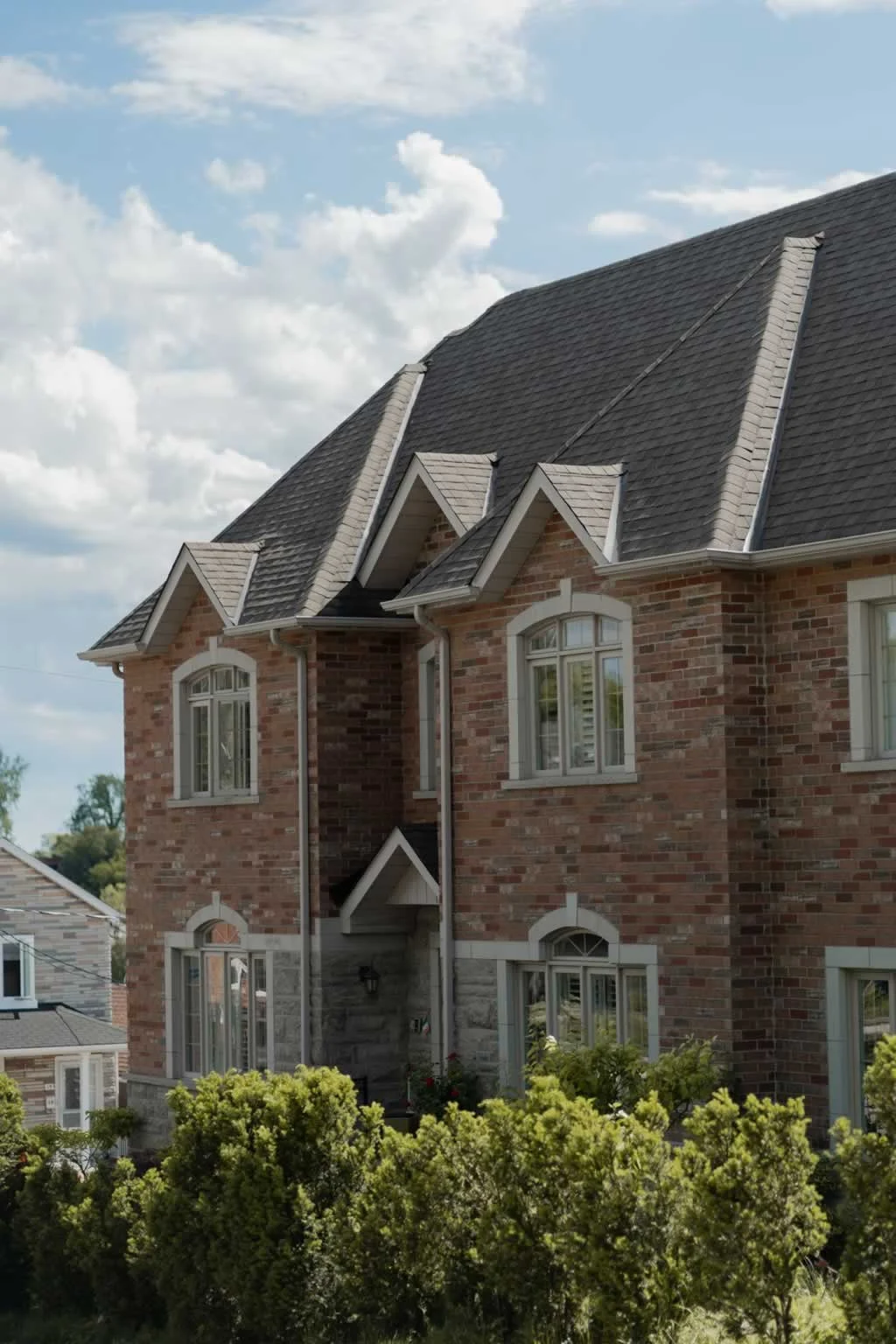
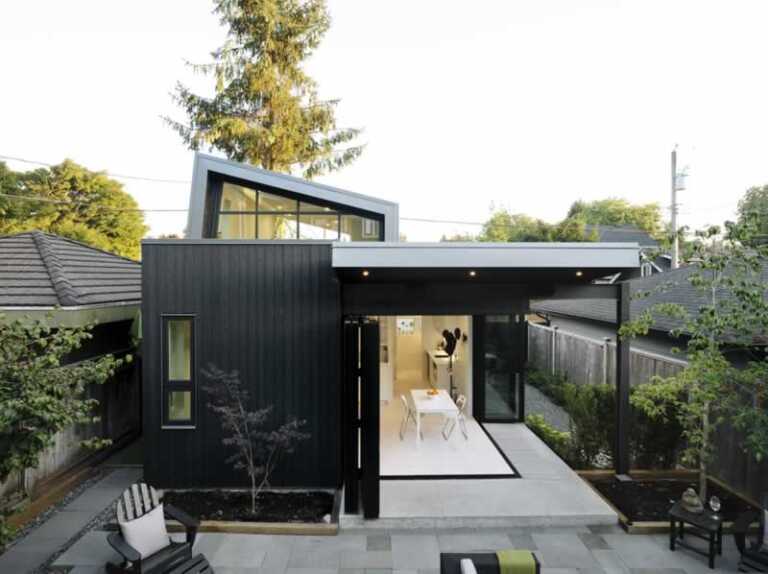
The exterior appearance of a home and its landscaping create the first impression that shapes how buyers perceive everything they see inside, and investments in curb appeal consistently pay off in buyer engagement and willingness to pay. Fresh exterior paint or siding in an appealing and neighborhood-appropriate color, a well-maintained roof, an attractive front door with updated hardware, and a clean and well-maintained landscape create the kind of positive first impression that makes buyers excited to see the interior rather than managing their expectations downward from the moment they pull into the driveway. Landscaping investments should be focused on clean lines, healthy plants, and a well-maintained lawn rather than elaborate plantings that represent significant ongoing maintenance obligations, since buyers value the former far more consistently than the latter. Exterior lighting that highlights the home’s best architectural features while providing practical security and safety illumination is a relatively inexpensive addition that has an outsized impact on evening curb appeal. The principle that buyers make their decision in the first thirty seconds of seeing a home is an exaggeration, but not by as much as most homeowners would like to believe, making curb appeal a genuinely important investment rather than a cosmetic afterthought.
Energy Efficiency Improvements Appeal to a Wide Buyer Pool
Energy efficiency improvements have become increasingly attractive to homebuyers who are acutely aware of utility costs and who value the comfort benefits that well-insulated, efficiently heated and cooled homes provide. Window replacement, particularly upgrading from single-pane or aging double-pane windows to modern, high-performance units, offers both energy savings and a significant aesthetic upgrade that buyers notice and value. Attic insulation upgrades are among the most cost-effective energy improvements available in most climates and can often be completed at relatively modest cost while delivering meaningful reductions in heating and cooling expenses that buyers can verify through utility bill review. HVAC system modernization, while expensive, is a significant positive in buyer evaluations particularly in climates where heating and cooling represent major ongoing expenses, and a recently installed high-efficiency system can justify meaningful premium pricing relative to comparable homes with aging systems. Smart home features including programmable thermostats, smart lighting controls, and whole-home energy monitoring appeal particularly to the increasingly large segment of buyers who value both environmental responsibility and the practical cost savings that efficient energy management produces.
Address Deferred Maintenance Before Cosmetic Improvements
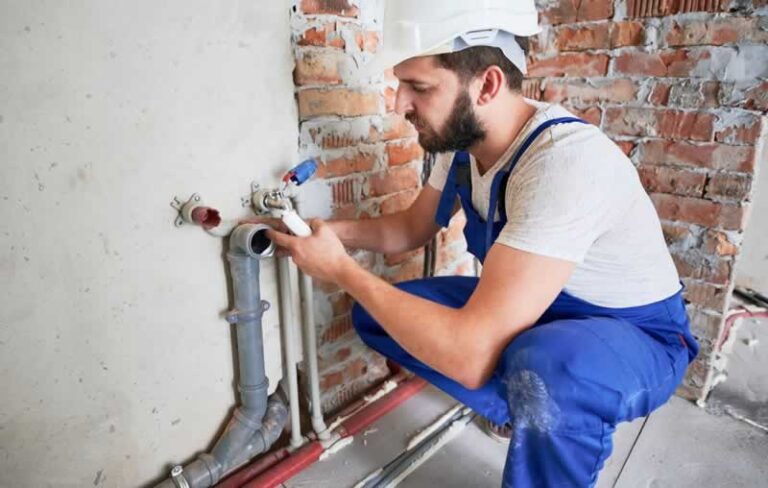
One of the most consistent mistakes homeowners make in preparing a property for sale or in trying to increase its value is investing in cosmetic improvements without first addressing the deferred maintenance issues that buyers and home inspectors will identify and that will generate repair requests, price reductions, or deal failures regardless of how beautiful the new countertops are. A roof that is at or near the end of its service life, a foundation with visible cracks or drainage problems, outdated electrical panels, aging plumbing, or HVAC systems in poor condition are all conditions that buyers and their inspectors will find and that will affect the transaction far more negatively than the absence of cosmetic updates. Addressing these structural and system issues before investing in aesthetic improvements produces a property that presents well to buyers on every dimension and that does not give them the leverage to negotiate away the value that the cosmetic improvements were intended to create. The sequence matters: maintenance first, then updates, then cosmetic improvements, in that order of priority.
Conclusion
Increasing a home’s value is a process that rewards strategic thinking, attention to buyer priorities, appropriate investment relative to the market and neighborhood, and the discipline to address what matters most before pursuing what is most appealing. Kitchen and bathroom improvements, curb appeal investment, energy efficiency upgrades, and the resolution of deferred maintenance issues are the categories where targeted, well-executed investment most consistently translates into measurable value increases. Homeowners who approach value improvement with this framework make better decisions, spend their improvement budgets more effectively, and achieve stronger outcomes in the market.


It’s interesting to consider how not all home improvements boost value equally. I’m curious about which types of projects tend to give the best return on investment. It seems like doing some research before diving into renovations could really pay off!