When you turn on a tap and the water pressure drops to a trickle, or the water comes out discolored, it is easy to feel frustrated and unsure about what comes next. A struggling water system can affect everything from your daily shower to your ability to run your dishwasher or water your garden. The good news is that many water problems have straightforward solutions, and understanding what is happening is the first step toward fixing it. This guide walks you through the most common water system issues and practical steps you can take to restore your home’s water quality and flow.
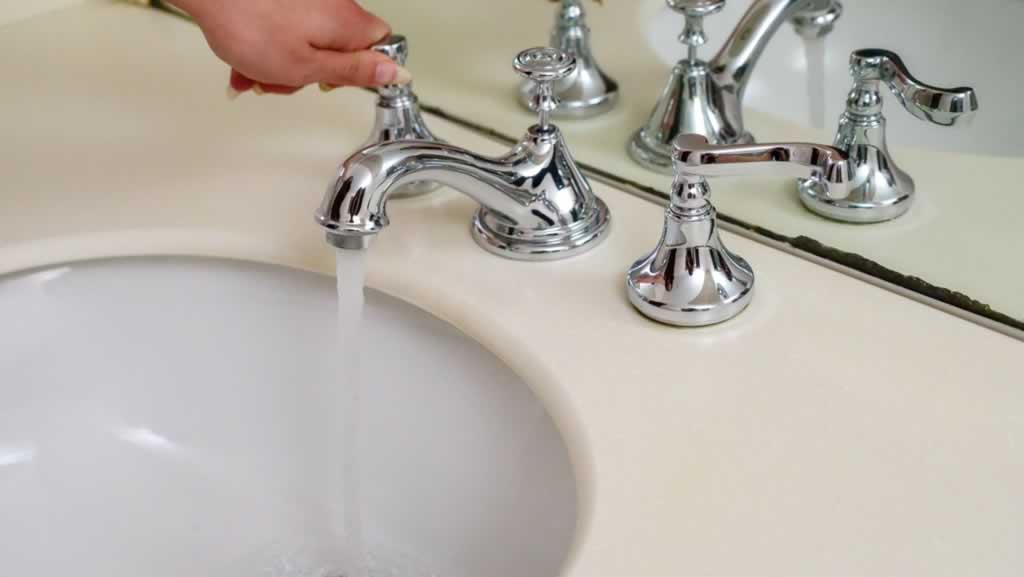
Identifying Signs of a Failing Water System
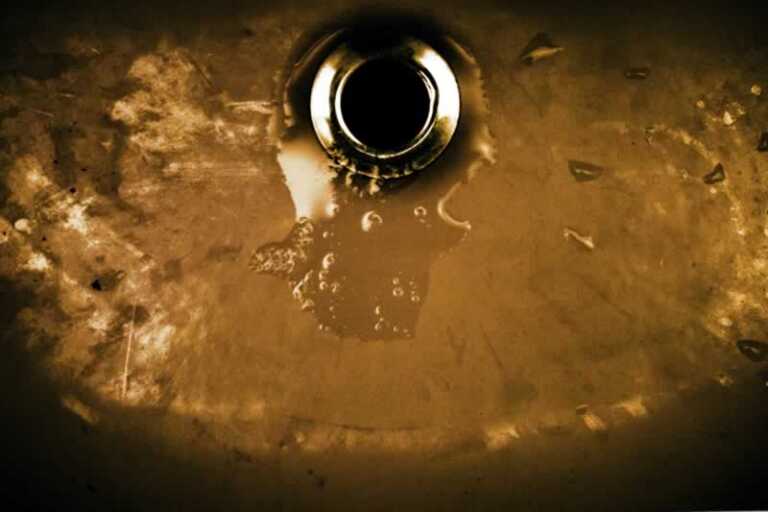
Recognizing the warning signs of a struggling water system helps you act before a minor issue becomes a major expense. Low water pressure is one of the most obvious indicators, often caused by mineral buildup in pipes, leaks in your supply line, or problems with your water heater. Discolored water, whether it appears yellow, brown, or rusty, usually signals corrosion in older pipes or sediment in your lines. You might also notice unusual tastes or odors, such as a metallic or sulfur-like smell, which can indicate chemical reactions within your plumbing. Taking time to document these symptoms will help a professional plumber diagnose the issue more accurately.
Check Your Water Pressure and Flow Rate
Understanding your current water pressure provides valuable information about what is happening in your system. Most homes receive water pressure between 40 and 60 pounds per square inch, though this varies by location and municipality. You can purchase an inexpensive pressure gauge from a hardware store and test your pressure by attaching it to an outdoor faucet. If your pressure consistently falls below 40 psi, you may have a leak, a partially closed water main valve, or issues originating from your municipal supply. High pressure above 80 psi can damage fixtures and pipes, so knowing your baseline helps determine whether the problem lies inside your home or comes from your water provider.
Investigate Leaks and Corrosion Issues
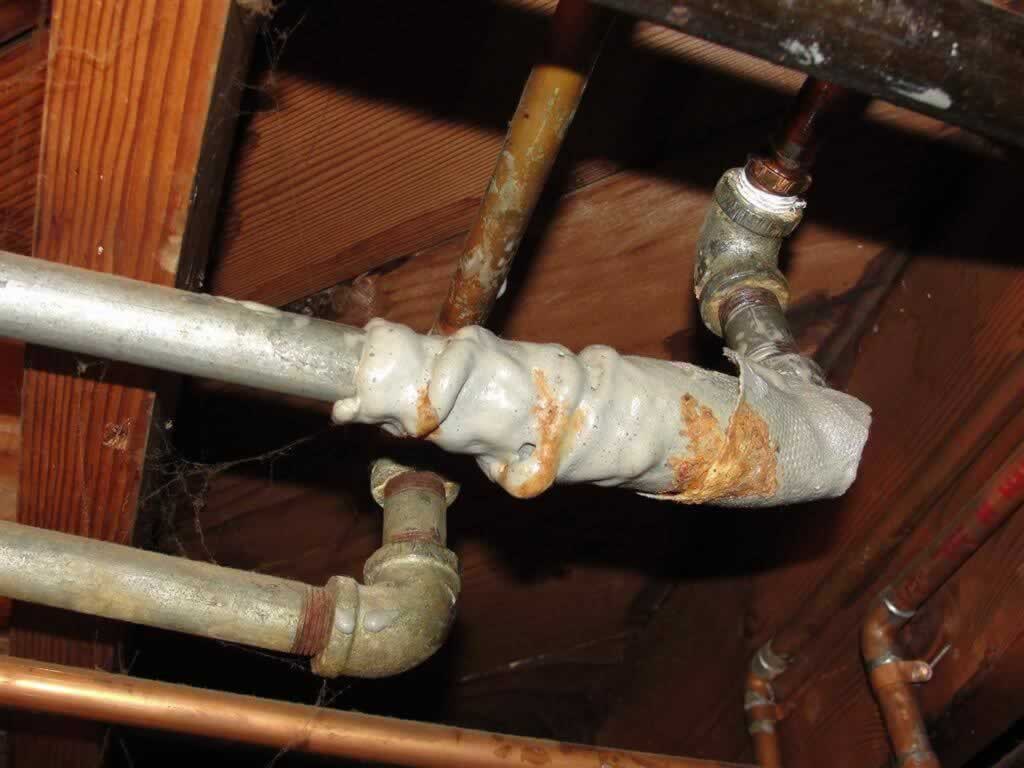
Leaks and corrosion represent two of the most damaging problems affecting residential water systems. Even a small leak wastes thousands of gallons of water annually and can lead to structural damage, mold, and increased utility bills. Check under sinks, around water heaters, and in crawl spaces for signs of moisture or puddles. Corrosion typically affects older homes with galvanized steel pipes, which deteriorate over time and contaminate water with rust particles. Copper pipes can also corrode, particularly if your water has a low pH level. Addressing these issues promptly prevents further damage to your home and protects your family’s water quality.
Test Your Water Quality
Testing your water quality removes the guesswork from understanding what is actually in your tap water. The Environmental Protection Agency requires municipal water systems to provide annual water quality reports, which you can often find online or request from your local water provider. If you have a private well, you are responsible for testing your water regularly, ideally at least once per year. At-home test kits can check for common contaminants like bacteria, nitrates, and pH levels, while professional water testing labs provide comprehensive analysis identifying specific minerals, chemicals, and pathogens. Understanding exactly what contaminants are present allows you to choose the right solution, whether that is a filter system or pipe replacement.
Decide Between Water Treatment Solutions
Selecting the right water treatment approach depends entirely on what contaminants or problems you have identified. Point-of-use systems like faucet filters or under-sink filters work well for removing chlorine taste and odor but do not address whole-home issues. Whole-house filtration systems treat all the water entering your home and are better suited for sediment, rust, or elevated mineral content. Water softeners specifically target hard water caused by high calcium and magnesium levels, which can improve skin feel and extend the lifespan of pipes and appliances. Some homeowners benefit from a combination of treatments tailored to their specific water quality findings, and a water specialist can recommend the most practical solution for your situation.
Address Water Softener Problems Promptly
When a water softener stops performing as expected, the effects can spread quickly through your entire plumbing system. Hard water deposits begin to accumulate in pipes, appliances, and fixtures, shortening their lifespan and reducing efficiency. Common softener problems include salt bridges in the brine tank, resin bed exhaustion, or control valve malfunctions. Homeowners who notice their soap no longer lathers properly, their skin feels drier than usual, or white scale is reappearing on faucets should inspect their softener immediately. For households managing these symptoms in the central Indiana region, water softener repair services in Indianapolis, IN can diagnose and restore the unit before the issue compounds into a full system failure. Catching softener problems early protects your pipes, your appliances, and your overall water quality investment.
Call a Professional for Pipe Issues
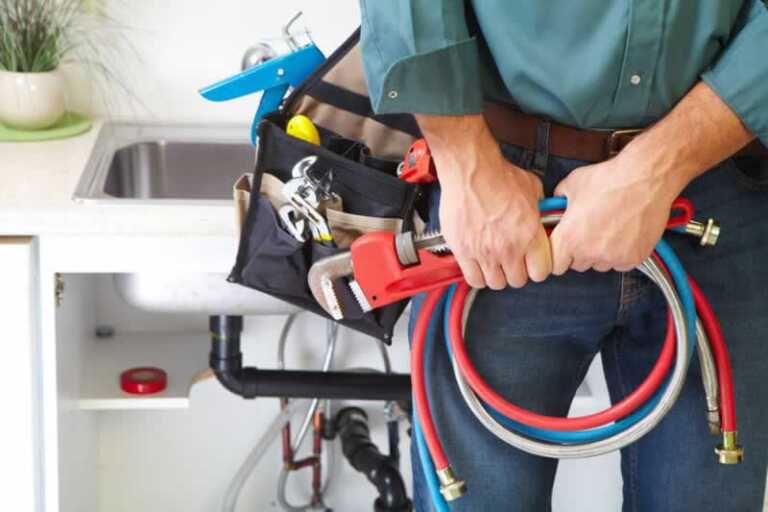
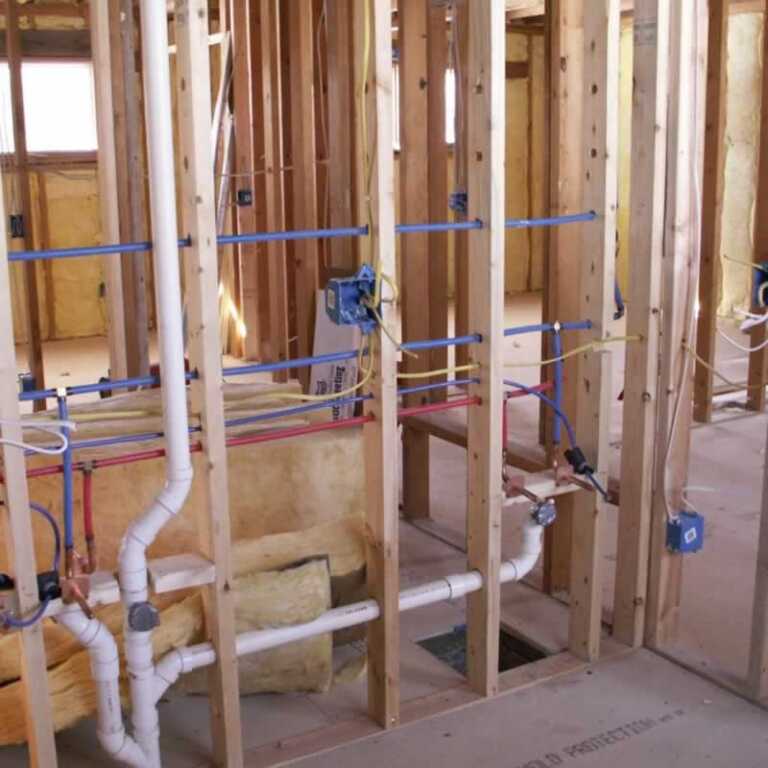
When problems involve your actual pipes or internal plumbing, professional help becomes necessary. Licensed plumbers have specialized equipment to locate leaks without damaging your walls or foundation, and they can assess whether pipes need repair or full replacement. If your home has galvanized steel pipes that are corroding, a plumber can determine whether targeted replacement or a complete repiping project makes the most sense. They can also install pressure regulators if your incoming pressure is too high, or check your water heater for leaks and sediment buildup. Professional diagnosis typically costs less than attempting multiple DIY fixes that do not address the root cause, and most plumbers offer an initial assessment that gives you a clear picture of required work and associated costs.
Conclusion
A struggling water system does not have to remain a source of frustration and uncertainty. By identifying the specific symptoms you are experiencing, testing your water, and understanding whether the problem lies in your pipes or your water quality, you can make informed decisions about the best path forward. Some issues require professional intervention, while others benefit from simple filters or routine maintenance. Taking action promptly protects your investment in your home, reduces wasted water, and ensures your family has access to safe, clean water. Start by documenting your symptoms and testing your pressure and water quality, then reach out to a licensed plumber or water specialist who can provide personalized recommendations for your situation.