

When most people look at a house, they simply admire its architecture or the size of the space, or imagine what life is like for the people who live there.
An investor may notice the same things, but their attention soon shifts from what the property is today to what it could become. This leads to a different question: is this house a genuine opportunity or a mistake that could prove costly?
The only way to answer this is by analysing the property’s renovation potential. In simple terms, this means determining whether improvements could make the place more valuable or attractive enough to justify the cost of the work.
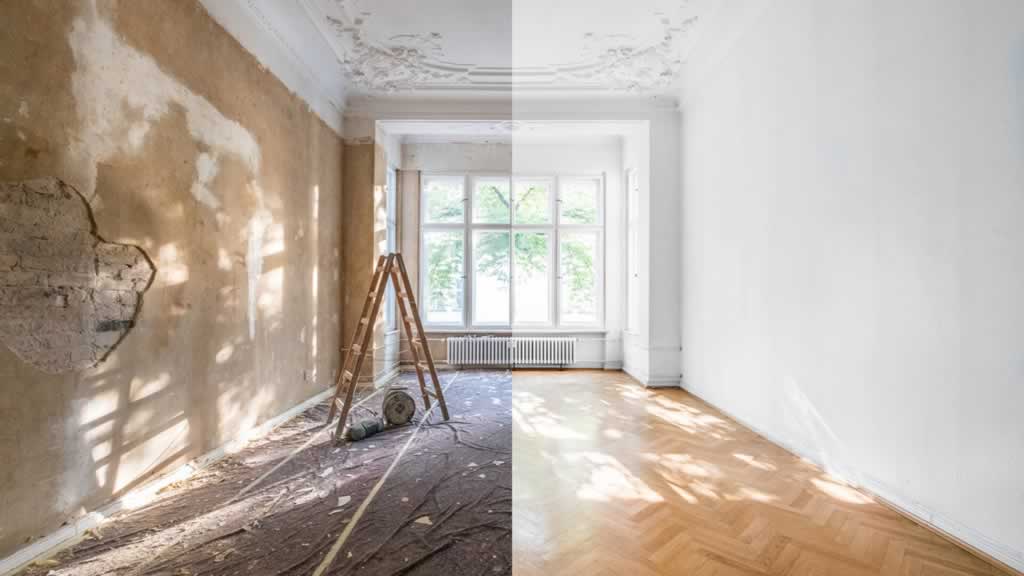
A property may have good renovation potential when it has, for example:
- A dated kitchen or bathroom that can be modernised without major structural work;
- Enough space to create another bedroom;
- A loft or garage that could be converted;
- Finishes that could be updated with a small investment.
A home has strong potential when the improvements can create a better living space and add enough value to justify their cost.
The assessment begins by comparing the purchase price with the property’s likely value once the work is complete. Estimated renovation costs then determine whether the difference represents a worthwhile return.
The renovation must have a purpose
The right improvements depend on the buyer’s plans for the property. Someone buying a family home may prioritise additional living space and energy efficiency. Meanwhile, an investor might focus on rental demand, durability, and the features tenants value most.
Establishing the intended outcome makes it easier to judge whether a property offers genuine potential. A large renovation project may suit a buyer seeking long-term capital growth, while a home requiring lighter cosmetic work can appeal to someone hoping to rent it out quickly.
Anyone exploring Liverpool property investments, for example, should consider the expectations of tenants or buyers in a specific neighbourhood rather than assuming that every improvement will produce the same return across the city.
Look beyond cosmetic condition
Old carpets, faded walls, and dated kitchen cabinets can create a poor first impression. But these issues are simple to address, which means that a couple of aesthetic improvements can transform the appeal of the home at a relatively manageable cost.
Structural issues require closer attention. Cracks around doors or windows may indicate movement, while stains on ceilings can point towards previous water damage. Uneven floors, a sagging roofline, or persistent damp also deserve professional investigation. In these cases, the property should only be renovated if it was purchased at a price low enough to offset the cost of the work.
The ideal renovation opportunity often combines an unattractive interior with a sound structure. Other buyers may be discouraged by the décor, giving a prepared purchaser the chance to add value through relatively straightforward work.
Consider whether the layout can be improved
Room size tells only part of the story. The way rooms connect can have a strong influence on how spacious and practical a property feels.
A poorly positioned wall may make a kitchen feel cramped, while an unused dining room could provide space for a larger kitchen or home office. In some homes, changing the layout creates greater value than adding extra floor space.
Buyers should identify which walls are load-bearing before planning alterations. Moving plumbing or electrical connections can also increase the cost considerably. A builder or structural engineer can help determine which ideas are technically achievable.
Planning restrictions also influence the options available. Extensions, loft conversions, and major external alterations may require permission from the local authority. Listed buildings and properties in conservation areas can be subject to additional controls.
Inspect the essential systems
Visible finishes receive plenty of attention during viewings, although the hidden parts of a home often create the largest bills.
Ask about the age and condition of the boiler, wiring, and plumbing. Check the consumer unit, water pressure, and signs of corrosion around exposed pipes. The roof, windows, and drainage system also deserve careful examination.
Replacing an old kitchen can be planned around a chosen budget. Discovering that the property needs extensive rewiring after work has started can disrupt both the schedule and the finances.
An energy performance certificate can offer further insight. Better insulation and efficient heating may reduce running costs while making the property more attractive to future occupants.
Calculate the full cost of the work
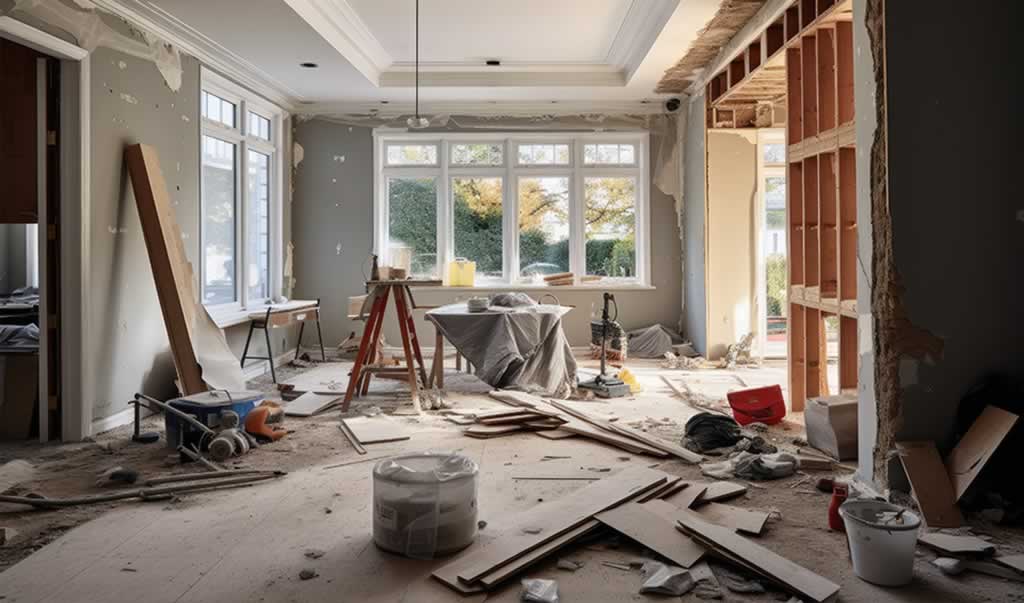
A renovation budget should cover labour and materials, along with professional fees and waste removal. Larger projects may also involve planning applications or temporary accommodation.
Obtaining several detailed quotations can give the buyer a clearer picture of likely costs. Each quotation should describe the work involved and specify whether materials are included.
A contingency fund of around 10% to 15% of the total renovation budget provides room for unexpected costs. For older properties or projects involving structural alterations, increasing this allowance to between 15% and 20% can offer greater financial protection.
Buyers should then compare the total investment with the property’s likely value after renovation. Local sale prices and rental figures provide a stronger basis for this calculation than broad national trends.
Understand what local buyers value
The most expensive improvement rarely guarantees the strongest return. Value depends on what people in the local market actually want.
Take Liverpool, for instance. In city-centre and Baltic Triangle apartments, practical storage and energy efficiency may add greater appeal than expensive decorative finishes. Improving sound insulation can also make a flat more comfortable in a busy central location.
In South Liverpool neighbourhoods such as Aigburth, Allerton, Mossley Hill, and Woolton, many buyers are looking for homes that can accommodate family life over the longer term. An additional bedroom or a more functional kitchen-dining area may therefore justify a larger investment. Restoring original fireplaces, cornicing, or other period features can also preserve the character that attracts people to these areas.
Compare renovated homes within the same postcode and property type before deciding where to spend. A premium kitchen that adds considerable value to a family house in L18 may produce a smaller return in a compact L1 apartment.
Arrange a professional survey
A viewing provides a useful first impression, while a qualified surveyor can offer a deeper assessment of the building’s condition. The survey may identify defects and recommend further specialist inspections.
These findings can influence the purchase decision or support price negotiations. They also help the buyer organise the renovation in the correct order, beginning with essential repairs before moving towards decorative improvements.
A promising renovation begins with clear-eyed assessment. The best opportunities are properties whose flaws can be understood, costed, and transformed into something people genuinely want to call home.