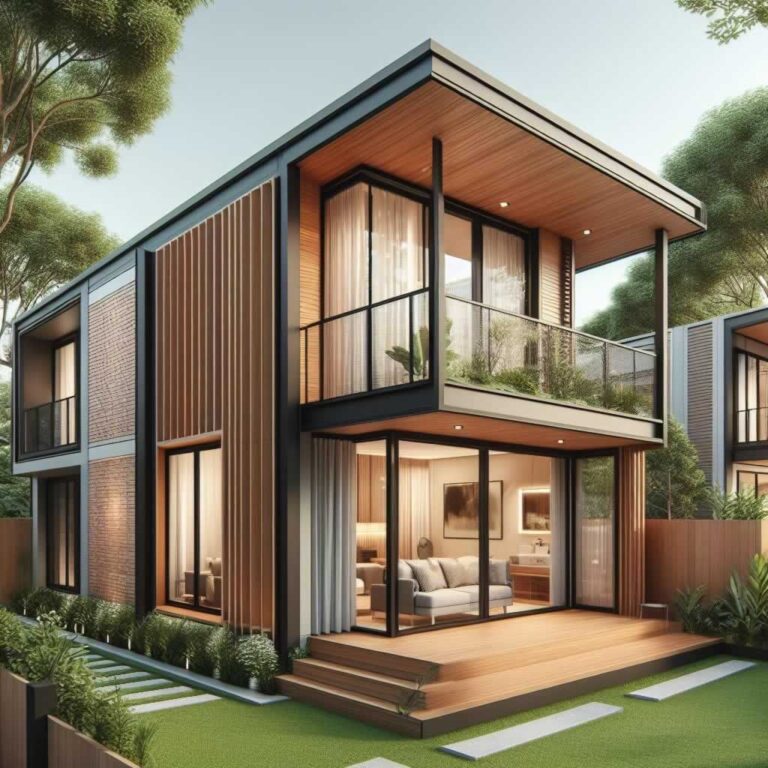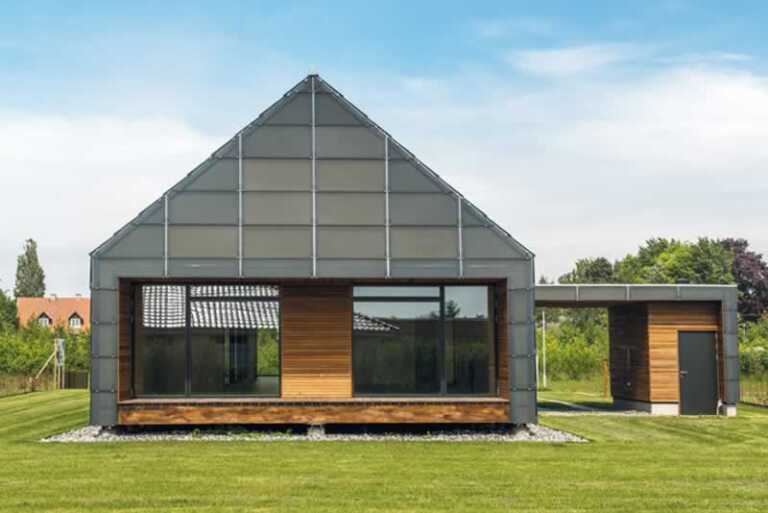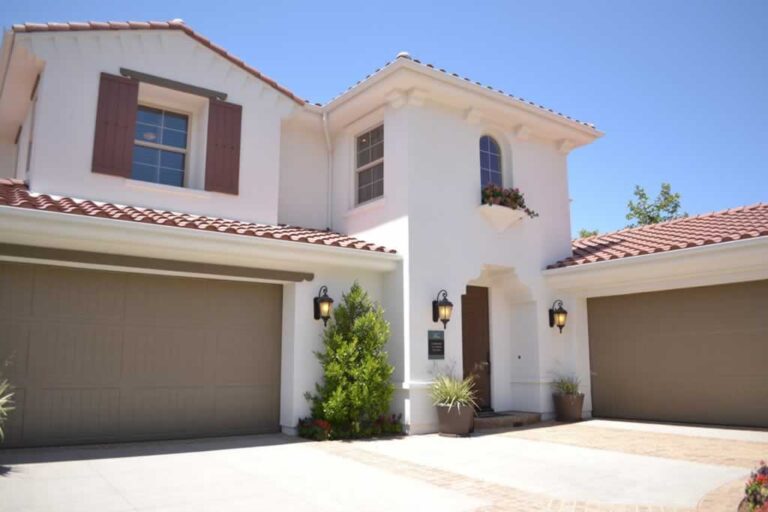

Bringing a residential construction project from concept to completed reality is one of the most complex and rewarding undertakings in the built environment, requiring the careful coordination of design, engineering, permitting, procurement, labor, and quality control across a timeline that is almost always more compressed than everyone involved would prefer. Whether the project is a single-family custom home, a renovation of an existing structure, or a larger development, the principles that determine whether a residential construction project succeeds or struggles are consistent and worth understanding clearly before the first shovel breaks ground. Projects that are approached with thorough planning, the right professional partnerships, and disciplined execution across every phase consistently deliver better results, fewer cost overruns, and a more positive experience for everyone involved than those that depend on improvisation and optimism to carry them through the inevitable challenges that construction projects generate.
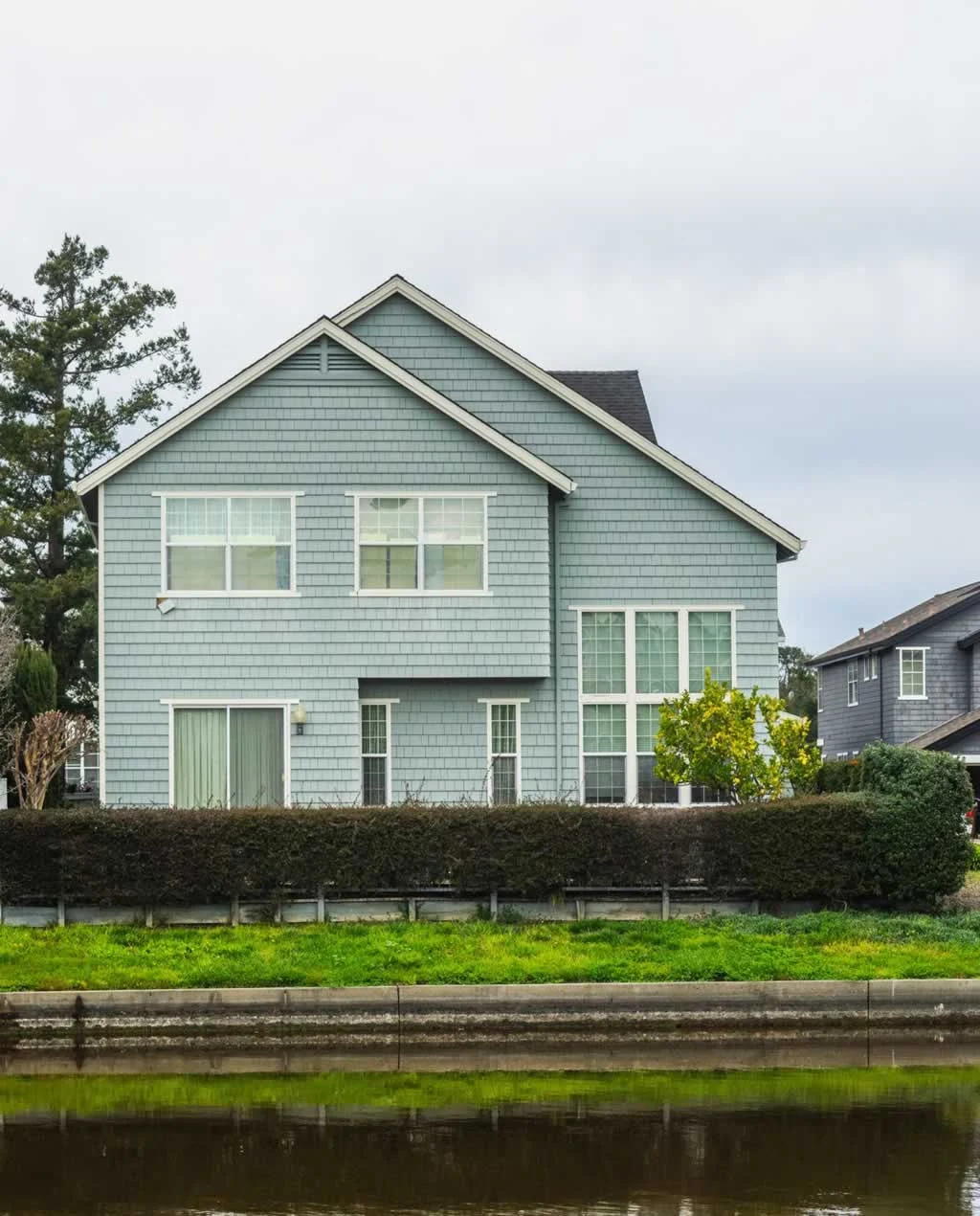
Start With Thorough Pre-Construction Planning
The quality of a residential construction project is determined in large part before construction ever begins, in the planning and pre-construction phase where the decisions that will define the project’s scope, budget, schedule, and design are made. Investing adequate time and professional resources in this phase, including detailed architectural drawings, thorough engineering review, accurate cost estimating, and comprehensive permitting documentation, creates the foundation of clarity and alignment that every subsequent phase depends upon. Projects that rush through pre-construction planning to get to the excitement of building almost invariably encounter the costly surprises, design conflicts, and scope changes that thorough upfront planning would have identified and resolved before they became expensive problems. A realistic schedule developed during pre-construction that accounts for the actual lead times of materials, the availability of subcontractors, and the inspection and approval timelines of the relevant jurisdiction gives everyone involved a shared understanding of what to expect and when. The investment of time and professional expertise in pre-construction planning is one of the highest-return activities available in any construction project.
Select the Right General Contractor for Your Project
The general contractor is the single most consequential selection in any residential construction project, and the investment of time and diligence required to make this selection well is fully justified by the difference a skilled, experienced, and trustworthy contractor makes to every aspect of the project outcome. Beyond verifying licensing, insurance, and bonding, evaluating a general contractor should include reviewing completed projects of similar scope and complexity, speaking directly with past clients about their experience, and assessing the quality of the contractor’s subcontractor network and procurement relationships. A contractor whose communication is clear, whose cost estimating is detailed and transparent, and whose project management systems are organized and professional is demonstrating the operational qualities that make a construction project run smoothly before the first trade ever sets foot on the job site. The chemistry between owner and contractor also matters, as a residential construction project involves sustained close collaboration through challenging circumstances, and a relationship built on mutual respect and clear communication makes those challenges significantly more manageable. The cheapest bid is rarely the best value, and understanding why requires looking at the full scope of what each contractor is actually proposing to deliver.
Manage Budget With Rigor and Transparency
Budget management in residential construction is a discipline that requires both rigor in the initial estimate and transparency throughout the execution phase, as cost overruns are one of the most common and most damaging outcomes of projects that are not managed with adequate financial discipline from the beginning. A detailed, line-item budget developed during pre-construction that covers every scope element, material, labor category, permit fee, and contingency reserve gives the project a financial baseline from which deviations can be identified and managed as they arise rather than discovered as accumulated surprises at the end. Maintaining a construction contingency of ten to fifteen percent for residential projects acknowledges the reality that unforeseen conditions, owner-initiated changes, and market fluctuations in material costs are essentially inevitable in any project of meaningful scope. Regular financial reporting that compares actual costs to budget by category, distributed to all relevant stakeholders on a consistent schedule, maintains the visibility and accountability that cost-conscious project management requires. Projects with transparent, rigorous budget management almost always land closer to the original financial target than those that rely on optimism and periodic reconciliation to manage money.
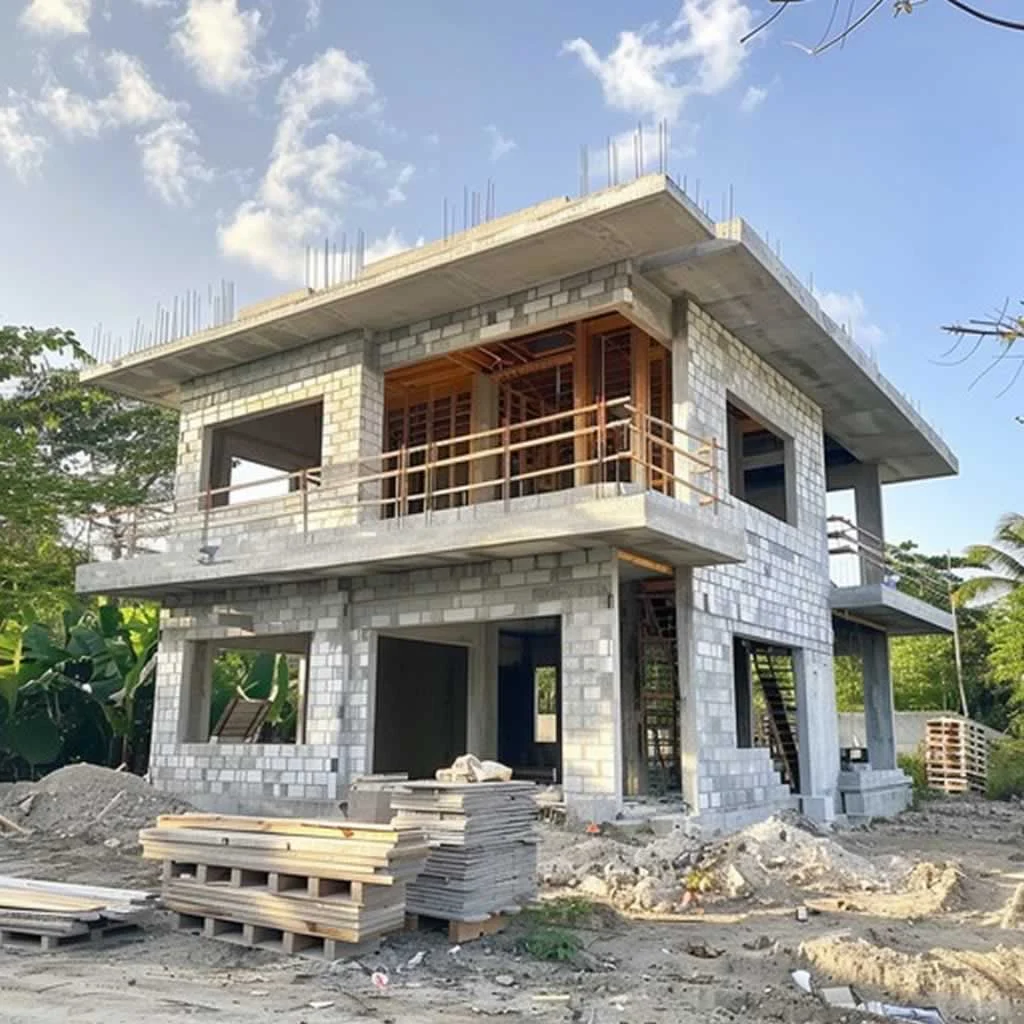
Leverage Experienced Contractors for Multifamily Projects
Residential construction at the multifamily scale introduces a level of complexity, coordination demand, and regulatory requirement that goes significantly beyond single-family work and that requires a contractor whose experience and systems are genuinely calibrated for that level of challenge. Working with specialists in multifamily construction at Bryan Construction brings the depth of experience, the trade coordination capability, and the quality management systems that multifamily projects require to deliver on schedule, on budget, and at the standard of quality that residential tenants and owners expect. The specific challenges of multifamily construction, including the management of multiple units in simultaneous construction, the coordination of complex MEP systems across large floor plates, and the compliance requirements of residential occupancy codes, are navigated most effectively by contractors who have done this work repeatedly and who have developed the processes and relationships that make it run smoothly. Selecting a contractor whose portfolio demonstrates genuine multifamily expertise rather than simply a willingness to attempt the work is one of the most important decisions in any multifamily development.
Maintain Quality Control Throughout Construction
Quality control in residential construction is not a final inspection at the end of the project; it is a continuous process of verification and correction that begins with the first work on site and continues through the final punch list and certificate of occupancy. Establishing clear quality standards for each scope of work before construction begins, and verifying adherence to those standards through regular inspections at key milestones, catches deficiencies when they are easiest and least expensive to correct rather than after they have been concealed by subsequent work. Third-party inspections by independent engineers and inspectors provide an additional layer of quality verification that benefits both owners and contractors by creating documented records of compliance and identifying issues that internal review might miss. A structured punch list process at the completion of each phase and at project completion ensures that every outstanding item is identified, tracked, and resolved before the project is closed out and the contractor demobilizes. Projects with rigorous quality control processes consistently deliver finished products that perform better, require less warranty service, and generate more satisfied owners than those where quality is assumed rather than verified.
Conclusion
Bringing a residential construction project to life requires thorough planning, careful contractor selection, disciplined budget management, appropriate expertise for the scale and complexity of the work, and rigorous quality control maintained from first shovel to final inspection. These principles apply whether the project is a modest renovation or a large multifamily development, and their consistent application is what separates projects that deliver on their promise from those that fall short of expectations in cost, schedule, or quality. The investment in doing each of these things well is among the most impactful decisions available to anyone bringing a residential construction project to life.