
A home can feel uncomfortable even when the heating and cooling equipment is technically working. One bedroom may stay warm all summer, the basement may feel damp and chilly, and the room above the garage may seem to have its own climate entirely. These problems often lead homeowners to assume that the entire HVAC system needs to be replaced.
In many cases, it does not.
Comfort problems are frequently caused by airflow imbalances, leaking ductwork, poor insulation, thermostat placement, or the fact that one central system is being asked to serve rooms with very different heating and cooling needs. Targeted improvements can often make a noticeable difference without the cost and disruption of a full system replacement. For example, homeowners considering mini split installation in Monroe, NJ may be able to improve one or two difficult rooms while continuing to use the existing central system throughout the rest of the house.
The key is to identify the actual source of the discomfort before choosing a solution.
Start With a Professional Comfort Assessment
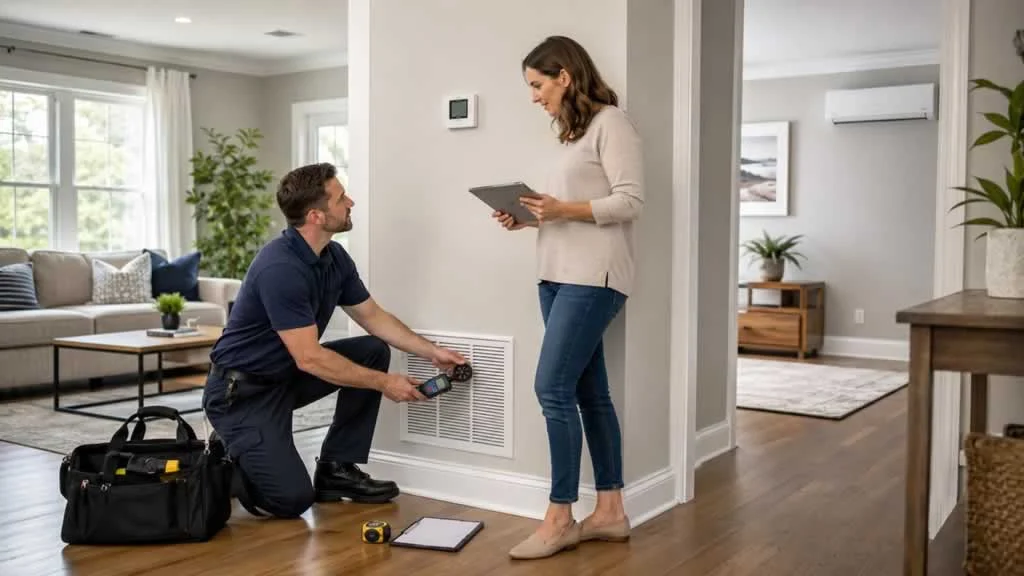
Before adding equipment or replacing components, it helps to understand why the home feels uneven.
A professional HVAC assessment should look beyond whether the furnace or air conditioner turns on. The technician may evaluate:
- Supply and return airflow
- Temperature differences between rooms
- Duct leakage
- Filter condition
- Blower performance
- Thermostat location
- Insulation levels
- Air leaks around windows, doors, and attic access points
- The heating and cooling load of problem rooms
This matters because several different problems can create similar symptoms.
A room that stays too warm could have an undersized supply duct, a closed damper, excessive afternoon sun, insufficient insulation, or no adequate return-air path. Installing a larger air conditioner would not necessarily solve any of those issues. In fact, an oversized replacement system could create new problems, including short cycling, poor humidity control, and uneven temperatures.
A comfort assessment helps separate equipment problems from distribution and building-envelope problems. That distinction can save a homeowner from spending thousands of dollars on a replacement that was never truly necessary.
Improve Airflow Before Increasing System Capacity
Uneven airflow is one of the most common reasons some rooms feel uncomfortable while others feel fine.
Central HVAC systems depend on a balanced cycle. Conditioned air must travel through supply ducts into each room, and an adequate amount of air must return to the system. When that cycle is disrupted, comfort suffers.
Simple airflow improvements may include opening closed registers, replacing a dirty filter, adjusting dampers, cleaning accessible blower components, or removing furniture that blocks vents. These changes sound basic, but basic problems are surprisingly common. A beautifully decorated sofa placed directly over a floor register can defeat even a well-designed HVAC system.
More involved airflow corrections may include:
- Adding or enlarging return-air pathways
- Adjusting duct dampers
- Repairing crushed or disconnected flexible ducts
- Modifying undersized branch ducts
- Sealing gaps around registers
- Balancing airflow between floors
Homeowners should avoid closing multiple supply vents in an attempt to push more air toward another room. Central systems are designed to operate within a certain pressure range. Closing too many vents can increase static pressure, reduce airflow across the equipment, create noise, and place additional strain on the blower.
Proper balancing is more effective than simply shutting registers and hoping the air goes somewhere useful.
Seal Leaking Ductwork
Duct leakage can reduce comfort even when the HVAC equipment is in good condition.
Air can escape through loose joints, damaged connections, poorly sealed plenums, and small gaps throughout the duct system. If the ducts run through an attic, crawl space, garage, or unfinished basement, conditioned air may be lost before it reaches the living space.
The result can include:
- Rooms that receive weak airflow
- Longer system run times
- Higher energy bills
- Excess dust
- Difficulty maintaining consistent temperatures
- Hot or cold areas near the ends of duct runs
Accessible duct joints can sometimes be sealed manually using approved mastic or foil-backed HVAC tape. Ordinary cloth duct tape is not a long-term solution, despite its name and impressive confidence.
For leaks located inside concealed or difficult-to-reach ductwork, professional aeroseal duct sealing services may be appropriate. This process is designed to seal many small leaks from inside the duct system rather than requiring walls and ceilings to be opened throughout the house.
Duct sealing will not correct every comfort problem. It cannot resize an undersized duct or repair a severely damaged section. However, when leakage is a major contributor, sealing the system can improve delivered airflow and help the existing equipment operate more effectively.
Address Insulation and Air Leakage
The HVAC system is only one part of the comfort equation. The house itself plays an equally important role.
Poor insulation and uncontrolled air leakage allow heat to move in and out of the home more quickly. During summer, upper-floor rooms may gain heat through the attic and roof. During winter, rooms over garages or near exterior corners may lose heat faster than interior spaces.
Common problem areas include:
- Attic access doors
- Recessed lighting penetrations
- Gaps around plumbing and wiring
- Poorly insulated knee walls
- Unsealed rim joists
- Leaky windows and exterior doors
- Rooms above garages
- Finished attic spaces
- Older additions
Air sealing and insulation improvements can reduce the amount of heating or cooling required to keep a room comfortable. They can also make temperatures more stable, so the HVAC system does not have to chase rapid changes throughout the day.
Window treatments can help as well. Exterior shading, insulated curtains, solar screens, and reflective window films may reduce heat gain in rooms with strong afternoon sun. These are not glamorous upgrades, but neither is sitting in a home office with a desk fan six inches from your face.
It is important to solve moisture issues before adding insulation in damp areas. Insulating over an existing leak or condensation problem can trap moisture and create a larger repair later.
Use a Ductless Mini Split for Specific Problem Areas
Some rooms have heating and cooling needs that are too different from the rest of the home for the central system to handle efficiently.
Common examples include:
- Finished basements
- Converted attics
- Home additions
- Sunrooms
- Workshops
- Rooms above garages
- Detached offices
- Frequently used bonus rooms
- Bedrooms that need different nighttime temperatures
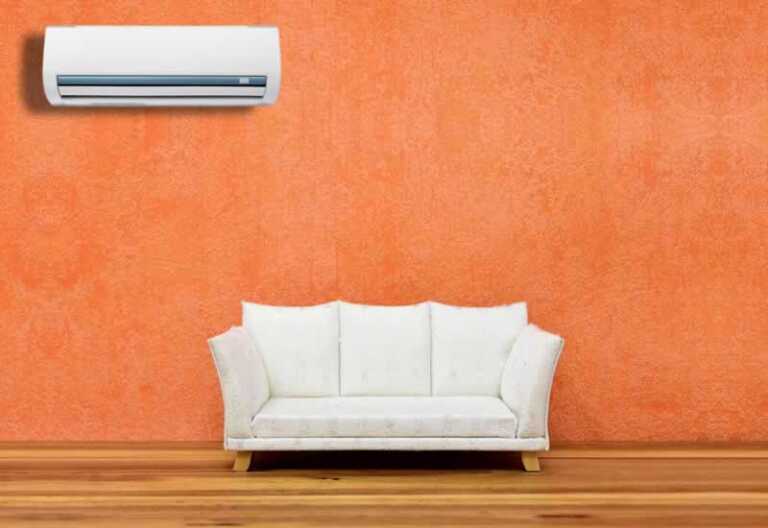
In these situations, a ductless mini split can provide targeted heating and cooling without replacing the central HVAC system. The existing equipment continues serving the main portion of the house, while the mini split handles the difficult area independently.
This approach can be especially useful when extending the existing ductwork would be expensive, impractical, or likely to reduce airflow elsewhere. It also gives the occupants direct control over the temperature in the problem space.
Professional mini split installers should evaluate the room before recommending equipment. Proper sizing is essential. A unit that is too small may struggle during extreme weather, while an oversized unit may cycle too quickly and provide poor humidity control.
Installation details also matter. The indoor unit must be positioned for good air circulation, the outdoor unit needs adequate clearance, and the refrigerant lines, condensate drainage, and electrical connections must be installed correctly.
A ductless system is not merely a large wall-mounted fan. When properly designed, it is a precise, room-specific comfort solution.
Upgrade Controls and Thermostat Placement
Sometimes the equipment is responding correctly to the thermostat, but the thermostat is not accurately representing conditions throughout the home.
A thermostat located in a central hallway may reach the set temperature while an upstairs bedroom remains several degrees warmer. A thermostat near a sunny window, exterior door, kitchen, or supply register may also produce misleading readings.
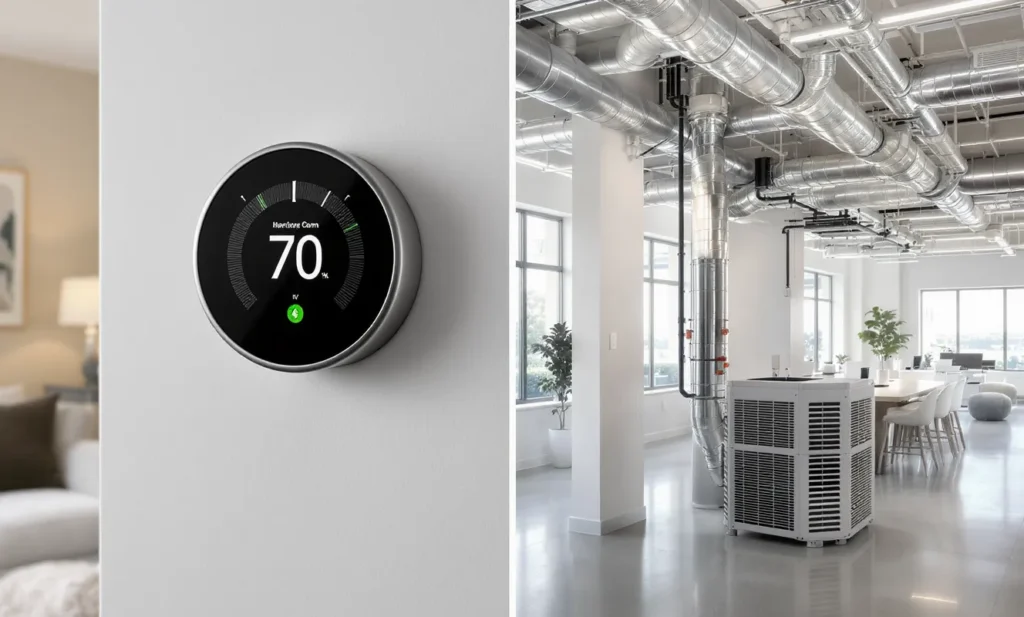
Relocating the thermostat can help in some homes. In others, a compatible smart thermostat with remote room sensors may provide better control. These sensors allow the system to consider temperatures in selected rooms rather than relying exclusively on the wall thermostat.
However, smart controls cannot correct major duct defects or insufficient equipment capacity. A sensor may tell the system that a bedroom is too warm, but if the room receives very little airflow, the system may simply run longer without solving the underlying problem.
Controls work best when combined with a properly functioning distribution system.
Zoning may also be an option in some ducted systems. Motorized dampers divide the house into separate temperature zones, allowing different areas to receive conditioned air as needed. Zoning must be designed carefully because closing portions of the duct system changes airflow and pressure. It is not a good do-it-yourself project involving a few online parts and optimism.
Keep the Existing System Operating Efficiently
Routine maintenance may not transform a poorly designed HVAC system, but it can restore performance that has gradually declined.
A professional maintenance visit may include:
- Checking refrigerant performance
- Inspecting electrical connections
- Cleaning coils
- Testing blower operation
- Inspecting the condensate system
- Measuring temperature change
- Checking static pressure
- Reviewing filter condition
- Confirming thermostat operation
Dirty evaporator coils, clogged filters, weak capacitors, and blower problems can all reduce system performance. A homeowner may interpret the resulting discomfort as evidence that the equipment is too old or too small when it actually needs service.
Filter selection also matters. A more restrictive filter is not automatically better. Installing a very high-efficiency filter in a system that was not designed for it can reduce airflow. The appropriate filter should balance indoor air quality goals with the airflow requirements of the equipment.
Outdoor equipment needs breathing room as well. Shrubs, leaves, fencing, and stored items should not block airflow around the condenser or heat pump.
Conclusion
Replacing an HVAC system is sometimes necessary, particularly when equipment is failing, seriously inefficient, improperly sized, or near the end of its service life. But replacement should not be the automatic response to every uncomfortable room.
Many homes can be improved through a combination of airflow balancing, duct sealing, insulation, air sealing, maintenance, better controls, or targeted ductless heating and cooling. These solutions address the specific cause of the discomfort rather than treating the entire house as though it has one simple problem.
The most practical first step is a professional evaluation that considers the equipment, ductwork, building envelope, and room-by-room conditions together. Once the cause is clear, homeowners can invest in the improvements that are most likely to deliver real comfort—without replacing more of the HVAC system than necessary.