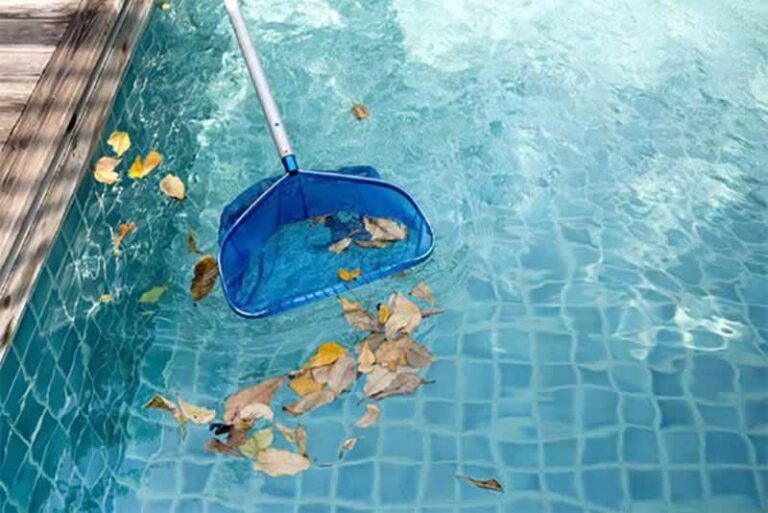

This season, we encountered the most severe algae infestation in the swimming pool of one of our clients. The water was green with floating islands of green mass, and the pool liner was green and slimy. The owner wanted to drain the pool, clean it, and then fill it up again, but we told him that it was not necessary to drain it. We handled the problem, and in three days, the pool water was as clean as it was on the first day. In this guide, we’ll first show you how to identify the type of algae in your pool and how to handle each type.
Algae is a common problem for swimming pool owners, turning clear water into a murky mess and creating slippery surfaces that can pose safety risks. These microscopic organisms thrive in water, especially when conditions are favorable, such as warm temperatures and high levels of nutrients. Algae spores can enter your pool through wind, rain, or even contaminated swimsuits and equipment, making it crucial to understand the different types and how to effectively combat them.
Algae in swimming pools are not just an aesthetic issue; they can also harbor harmful bacteria and pathogens that pose health risks to swimmers. Additionally, algae growth can clog filters and damage pool surfaces if left untreated. Recognizing the signs of algae and taking prompt action is essential to maintaining a clean and safe swimming environment.
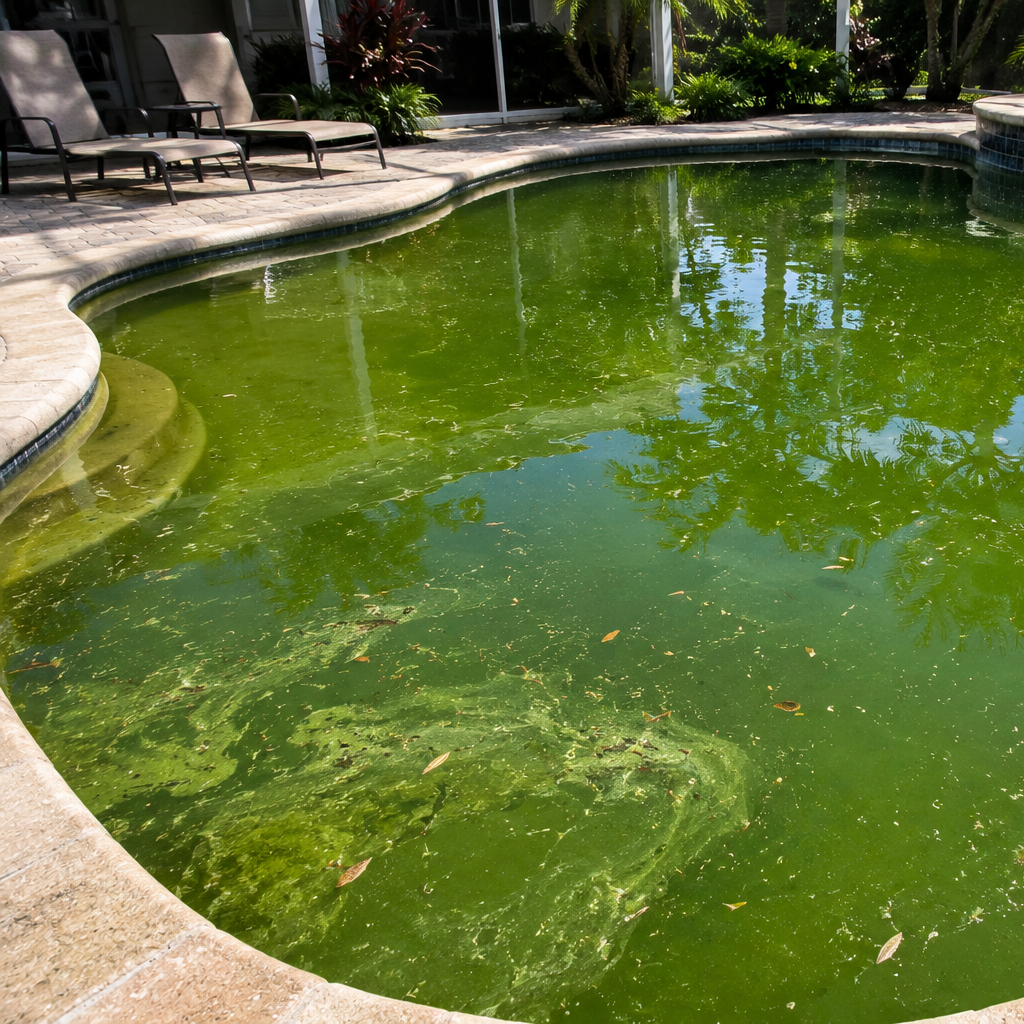
There are several types of algae that can infest water tanks and swimming pools, each with unique characteristics and challenges. In this comprehensive guide, we will explore the various types of swimming pool algae, their causes, and effective removal tips. By the end of this article, you will be equipped with the knowledge to keep your pool sparkling clean and inviting all season long.
Types of Swimming Pool Algae
Swimming pool algae come in different forms, each requiring specific treatments for effective removal. The most common types are green algae, yellow algae, and black algae. Understanding the differences between these types is crucial for implementing the right strategies to eliminate them.
Green algae are the most prevalent and easiest to remove. They can turn your pool water into a green, slimy mess if not addressed promptly. Yellow algae, also known as mustard algae, are more stubborn and can cling to pool surfaces, making them harder to eradicate. Black algae are the toughest to deal with, as they form strong root systems that penetrate deep into pool surfaces.
Each type of algae has distinct characteristics and thrives under different conditions. Knowing how to identify and treat each type will help you maintain a healthy and algae-free pool. In the following sections, we will delve deeper into each type of algae, their causes, and the most effective removal techniques.
Green Algae: Characteristics and Causes
Green algae are the most common type of algae found in swimming pools. They thrive in warm, sunny environments and can quickly spread if not controlled. This type of algae floats freely in the water, giving it a green, murky appearance. Green algae can also form slimy layers on pool surfaces, making them slippery and unsafe.
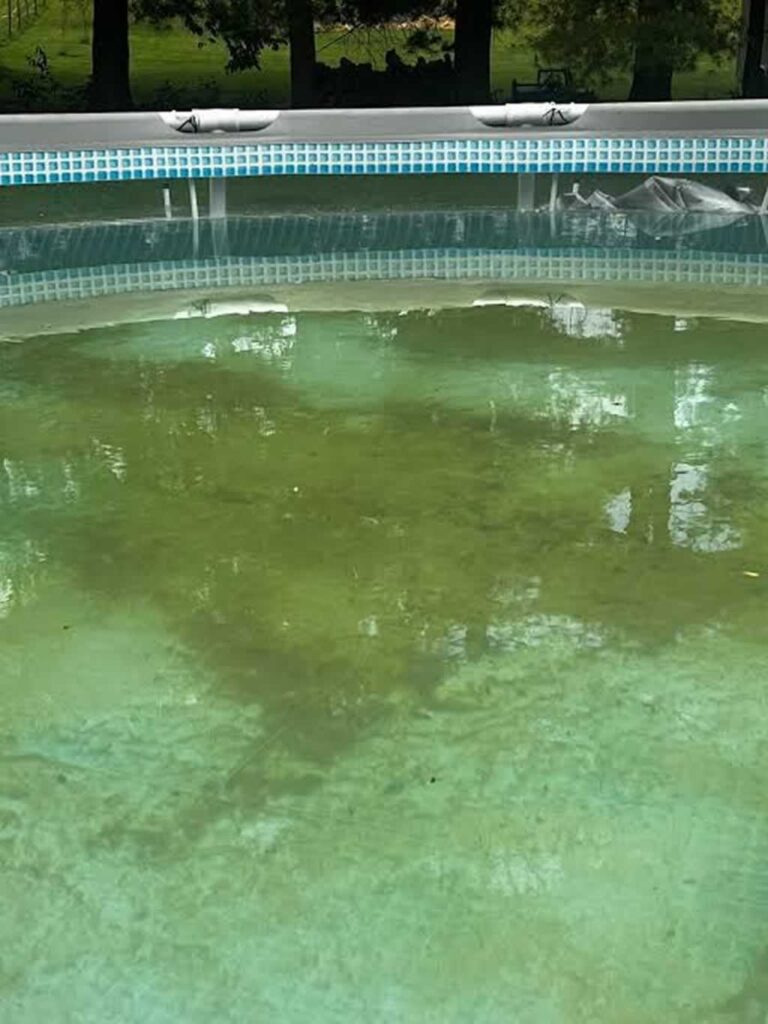
The primary cause of green algae growth is poor pool maintenance. Inadequate sanitation, low chlorine levels, and poor water circulation create an ideal environment for green algae to flourish. Algae spores can enter your pool through various means, such as wind, rain, and contaminated swimsuits or equipment. Once in the pool, they can multiply rapidly, especially in warm weather.
To prevent green algae, it is crucial to maintain proper pool hygiene. Regularly test and balance your pool water, ensuring chlorine levels are adequate. Clean your pool thoroughly, including brushing the walls and vacuuming the floor. Good water circulation is also essential, so run your pool pump for the recommended duration each day to keep the water moving and prevent algae from settling.
Yellow Algae: Identification and Treatment
Yellow algae, also known as mustard algae, are less common than green algae but can be more challenging to remove. They appear as yellow or mustard-colored patches on pool surfaces, particularly in shaded areas. Yellow algae are more resistant to chlorine than green algae, making them harder to eliminate.
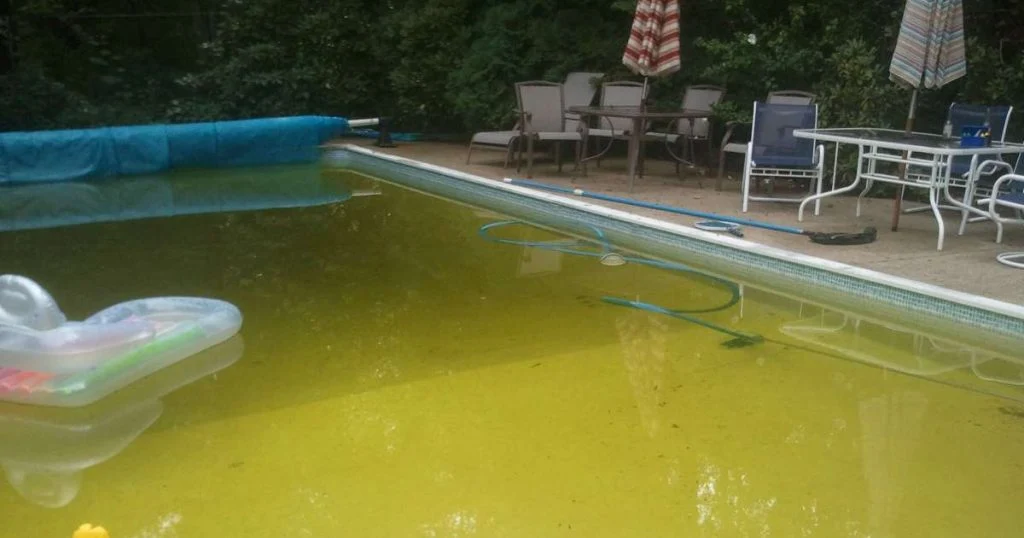
Identifying yellow algae involves looking for the tell-tale yellow patches, which often cling to pool walls, floors, and other surfaces. These patches may feel slimy to the touch and can be easily brushed off, but they tend to return quickly if not treated properly. Yellow algae thrive in areas with poor circulation and low light, making shaded corners and steps prime locations for their growth. One of the most common signs of yellow algae is the sand like residue on the pool floor which forms a white cloud when you walk over it.
Treating yellow algae requires a more aggressive approach than green algae. Start by brushing the affected areas thoroughly to loosen the algae. The most common advice is to shock your pool with a high dose of chlorine to kill the algae, and follow up with an algaecide specifically designed for yellow algae. Our experience is different because high dosage of chlorine can form chlorine lock in your pool and it irritates your skin. We always use active oxygen because it is more efficient in removing mustard algae than chlorine and it doesn’t irritate your skin nor eyes. Also, pouring active oxygen while the pump is filtering will clean the sand in your filter from algae residue. Ensure good water circulation by running your pump continuously for 24-48 hours after treatment. Regular brushing and vacuuming will help remove dead algae and prevent regrowth.
Black Algae: The Toughest Challenge
Black algae are the most stubborn and difficult type of algae to remove from swimming pools. They appear as small, black or dark blue-green spots on pool surfaces and are often mistaken for dirt or mold. Unlike green and yellow algae, black algae have strong root systems that penetrate deep into pool surfaces, making them resistant to standard treatments.
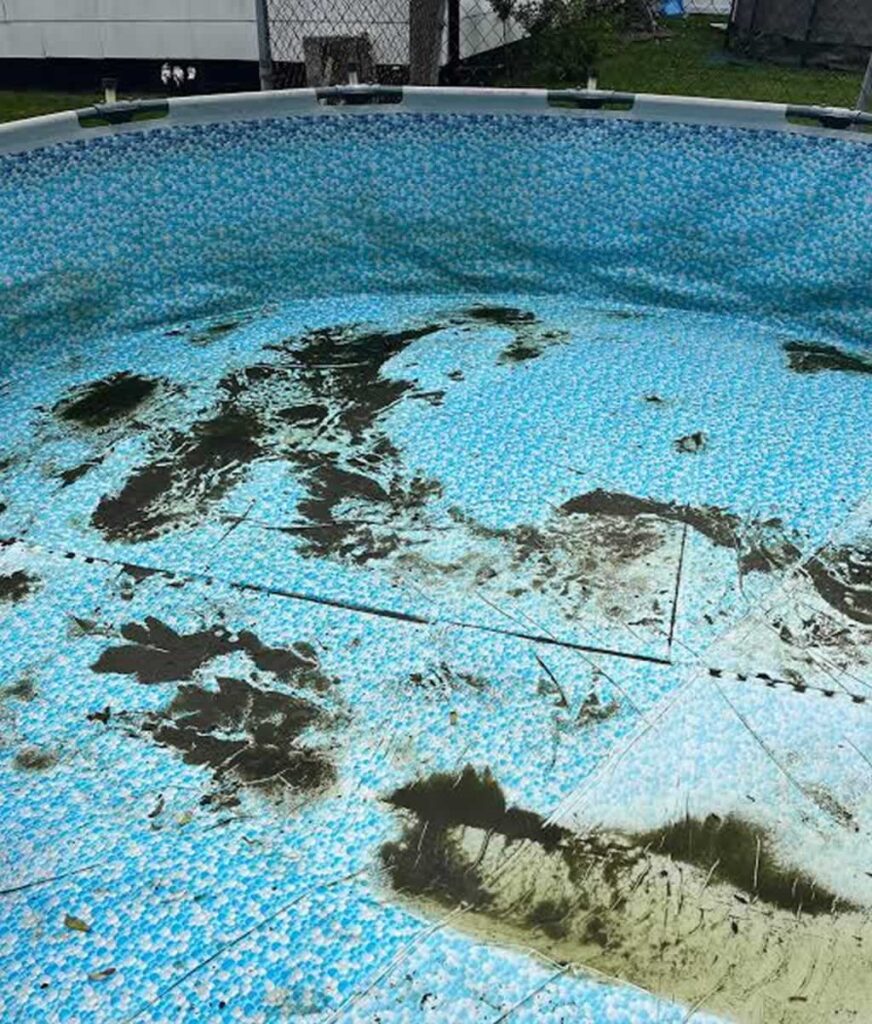
Black algae thrive in poor water conditions, particularly in pools with low chlorine levels and poor circulation. They can also enter your pool through contaminated swimsuits, equipment, or even through cracks in the pool’s surface. Once established, black algae can be incredibly challenging to eradicate due to their resilient nature.
Effective removal of black algae requires a multi-step approach. Begin by brushing the affected areas with a stiff pool brush to break up the algae’s protective outer layer. Apply a high concentration of chlorine directly to the spots, followed by a black algae-specific algaecide. Run your pool pump continuously to ensure good water circulation and filter out dead algae. Regular brushing and vacuuming are essential to prevent regrowth. In severe cases, draining and acid washing the pool may be necessary to fully eliminate black algae.
Prevention Strategies for Pool Algae
Preventing algae growth in your swimming pool is far easier than dealing with an infestation. Consistent maintenance and good pool hygiene practices are key to keeping your pool algae-free. Here are some effective prevention strategies:
First, maintain proper water chemistry. Regularly test your pool water and ensure that chlorine, pH, and alkalinity levels are within the recommended ranges. Chlorine is your primary defense against algae, so keeping it at the correct level is essential. Use a reliable pool test kit to check your water chemistry at least once a week, and adjust as necessary.
Second, ensure good water circulation. Run your pool pump for the recommended duration each day to keep the water moving and prevent algae from settling. Clean your pool’s filter regularly to ensure it is functioning efficiently. Poor circulation can create stagnant areas where algae can thrive, so make sure all parts of your pool receive adequate water flow.
Finally, practice good pool hygiene. Regularly clean your pool by brushing the walls, steps, and floor, and vacuuming any debris. Remove leaves and other organic matter promptly, as they can provide nutrients for algae growth. Encourage swimmers to shower before entering the pool to minimize the introduction of contaminants. By following these preventive measures, you can significantly reduce the risk of algae infestation.
Recommended Pool Chemicals for Algae Control
Using the right pool chemicals is essential for effective algae control. Here are some recommended chemicals to keep your pool algae-free:
Chlorine is the most common sanitizer for killing algae. Maintain a free chlorine level of 1-3 ppm to prevent algae growth. Regularly shock your pool with a high dose of chlorine to kill any existing algae and prevent new growth.
Active oxygen cost more than chlorine but it is much better solution for your pool. It doesn’t irritate your skin or eyes and you can use the pool 2 hours after treatment. Also, active oxygen is more efficient in removing stubborn algae than chlorine. It will also clean your pool equipment and sand pump from algae residue.
Algaecides are chemicals specifically designed to kill and prevent algae. There are various types of algaecides available, including those for green, yellow, and black algae. Use an algaecide as part of your regular pool maintenance routine, especially if you have had algae problems in the past.
Pool clarifiers and flocculants can help remove dead algae and other particles from your pool water. Clarifiers work by binding small particles together so they can be more easily filtered out, while flocculants cause particles to clump together and sink to the bottom for easy vacuuming. Using these chemicals can improve water clarity and help prevent algae from settling and growing.
Maintenance Tips to Keep Your Pool Algae-Free
Keeping your pool algae-free requires consistent maintenance and good pool hygiene practices. Here are some tips to help you maintain a clean and inviting pool:
First, regularly test and balance your pool water. Use a reliable pool test kit to check chlorine, pH, and alkalinity levels at least once a week. Adjust the chemical levels as necessary to maintain proper water chemistry. Keeping your water balanced is crucial to preventing algae growth.
Second, ensure good water circulation. Run your pool pump for the recommended duration each day to keep the water moving and prevent algae from settling. Clean your pool’s filter regularly to ensure it is functioning efficiently. Poor circulation can create stagnant areas where algae can thrive, so make sure all parts of your pool receive adequate water flow.
Finally, practice good pool hygiene. Regularly clean your pool by brushing the walls, steps, and floor, and vacuuming any debris. Remove leaves and other organic matter promptly, as they can provide nutrients for algae growth. Encourage swimmers to shower before entering the pool to minimize the introduction of contaminants. By following these maintenance tips, you can significantly reduce the risk of algae infestation.
Most common mistakes when removing algae from swimming pool
- Vacuuming algae residue through pump filter – don’t vacuum algae residue through the filter because it gets clogged almost instantly. After shocking the pool and applying flocculant vacuum the residue from the bottom of the pool through the drain like when backwashing the pump. Connect the vacuum hose to the intake manifold on the pool wall and set the pump to waste mode. Open the drain cap like when backwashing the pump and remove the residue from the pool. It will take a couple of days to remove all the residue. Simply refill the amount of water you vacuumed earlier.
- Not backwashing your sand pump – you should backwash your pump every couple of hours until all the algae residue is removed from the pool and your pool water is back to normal state. Clogged pump doesn’t filter anything and trapped algae residue inside the pump becomes the food for dangerous cyanobacteria inside the sand tank. If you notice a strong rotten egg smell near the pump it is already too late. Then you need to replace the sand and thoroughly wash the entire pump with strong antibacterial substance. We recommend strong anti mold sprays and washing the entire pump at least three times.
Conclusion: Enjoying a Clean and Safe Swimming Pool
Maintaining a clean and safe swimming pool requires understanding the different types of algae, their causes, and effective removal techniques. By following the preventive strategies and maintenance tips outlined in this article, you can keep your pool sparkling clean and inviting all season long.
Regularly test and balance your pool water, ensure good water circulation, and practice good pool hygiene to prevent algae growth. Use the recommended pool chemicals to control algae and address any infestations promptly. With consistent effort and proper maintenance, you can enjoy a beautiful, algae-free swimming pool that is safe for all to enjoy.
Remember, prevention is always better than cure. By staying vigilant and proactive, you can keep your swimming pool in top condition and avoid the hassle and expense of dealing with algae outbreaks. So dive in, relax, and enjoy your pristine, sparkling pool!