A home’s foundation is one of its most important structural components, acting as the foundation for the entire structure. Different elements like soil movement, water damage, and natural wear and tear over time can weaken the integrity of a foundation and cause obvious cracks, uneven flooring, and other structural problems. Anyone wishing to keep their property valuable and safe must first understand the reasons, warning signals, and repair techniques.
Causes of Foundation Damage
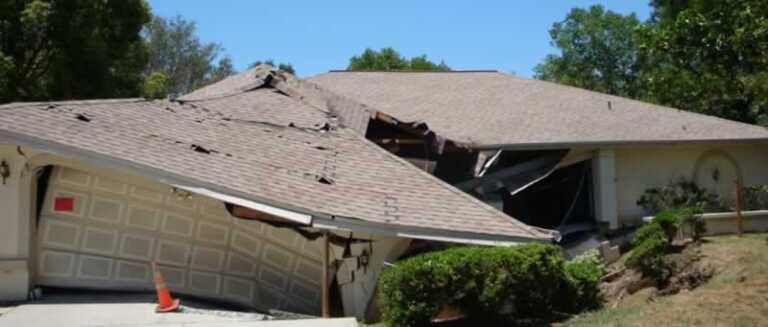
Foundation degradation sometimes comes from structural and environmental elements taken together. Movement of soil is one of the most often occurring reasons; it results from contraction and expansion brought about by variations in moisture content. Overly saturated soil can strain the foundation and cause instability and fissures. On the other hand, dry conditions shrink the soil and produce cavities weakening the support of the foundation. By letting water pool around the base of a house and raising the likelihood of soil erosion and structural weakness, poor drainage can also cause foundation issues. Tree roots can also intrude on foundation systems, changing ground over time. Inappropriate concrete mixtures or insufficient reinforcing might hasten foundation degradation even further by bad building techniques.

Signs of Foundation Issues
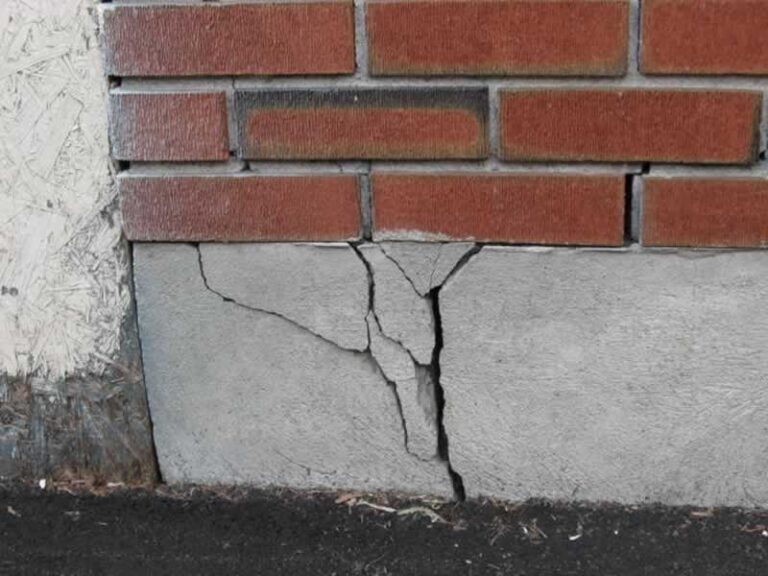
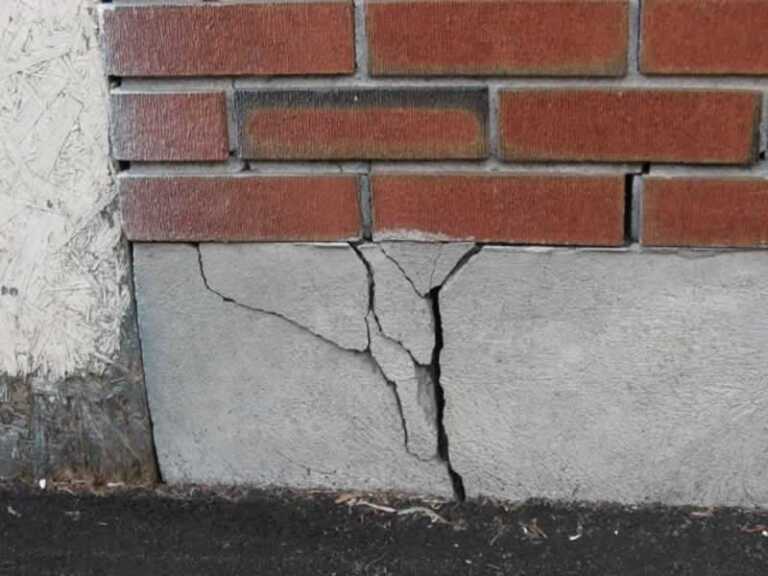
Early foundation trouble detection helps homeowners avoid major structural damage and expensive repairs. Among the earliest obvious indicators of foundation instability in walls, ceilings, and flooring are cracks in each. Though modest at first, untreated, these fissures will grow over time. Another warning indication is uneven or sloping flooring, which implies that the base is moving or settling differently. Suddenly it is difficult to open or close doors and windows that could point to structural misalignment brought on by foundation movement. Walls and ceiling, as well as areas around window frames, point to areas of the foundation separating from the structure. Water leaks and too-high dampness in basements or crawl spaces usually indicate foundation problems brought on by inadequate drainage or unstable ground.
Common Foundation Repair Methods
Depending on the severity and type of damage, various foundation restoration procedures are used. Underlying is a popular way of strengthening a foundation by adding support beneath it. When the current foundation has been weakened due to soil movement or settlement, this procedure is extremely useful. Slab jacking is another procedure that involves injecting a special mixture beneath the foundation to elevate and stabilize it. This procedure is most commonly used to rectify minor foundation settling and uneven flooring. When water damage concerns the foundation, sump pumps or French drains can help divert excess water away from the property. The level of damage and the underlying cause will decide the optimal repair approach; thus, a professional assessment is important for successful restoration.
The Role of Professional Foundation Repair Experts
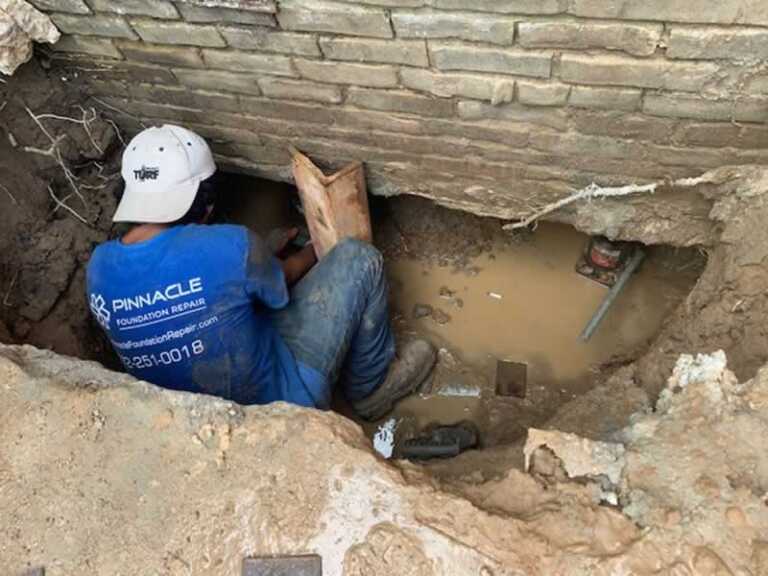
Foundation repair calls for both knowledge of structural engineering and specific tools as well as experience. Doing do-it-yourself repairs could cause more damage, more expenses, and can be dangerous situations. Before suggesting an appropriate repair strategy, professional foundation repair professionals go over extensive inspections to find the underlying source of the problem. To guarantee long-lasting solutions instead of transient fixes, they apply cutting-edge technologies and materials. Experts also follow local building rules and safety guidelines, therefore avoiding possible structural and legal difficulties. You can consult experienced service providers for foundation repair in Overland Park or your area who can precisely evaluate the degree of the damage and apply the best restoration methods. Purchasing expert services not only helps a house to remain stable but also helps to avoid reoccurring issues, thereby saving homeowners from long-term financial load.

Preventative Measures to Maintain Foundation Integrity
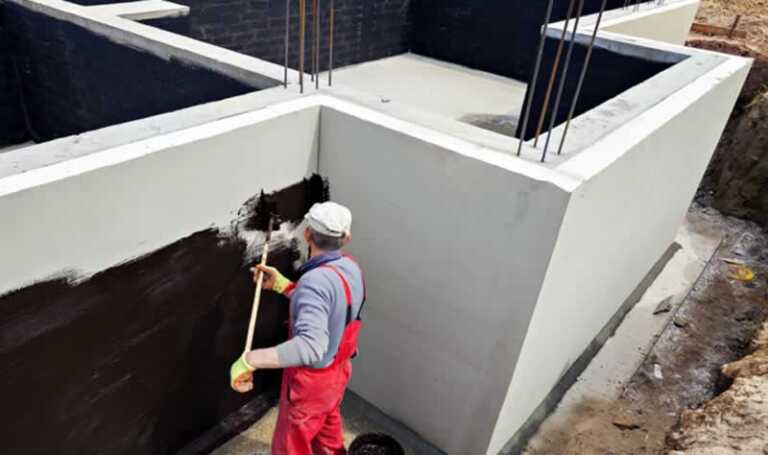
Preventative steps can considerably reduce the chance of foundation deterioration, hence protecting a home’s structural integrity. Preventing water buildup around the foundation depends on proper drainage. By guiding rainfall away from the base of the house, installing gutters and downspouts helps reduce soil erosion and extra moisture. By keeping soil moisture levels constant around the foundation, one can avoid significant expansion and contraction, causing structural changes. Before they become more serious, homeowners should also routinely check their foundations for evidence of cracks, leaks, or soil movement and take care of little problems. Early identification of any hazards made possible by routine expert inspections enables quick responses that help to avoid future expensive repairs.
Conclusion
Foundation repair is an essential part of home maintenance that ensures long-term property value and structural safety. Understanding the underlying reasons and spotting early signs of foundation erosion can allow homeowners to take proactive steps to repair issues before they become serious. Expert examination and repair work provide efficient, long-lasting solutions tailored to the specific requirements of a home’s foundation. Preventative measures, such as proper drainage and soil management, can assist in protecting a home from future foundation issues. Investing in foundation repair and maintenance not only preserves the house but also increases its stability and longevity for many years to come.