A mini excavator changes the game in construction work, or if you have a big project at home. While it’s small, it’s a serious machine that brings real power into small spaces. One popular usage of a mini excavator is digging trenches, but that’s just the start.
In this blog, we will outline the key jobs that can be accomplished with a mini excavator beyond standard trenching. These are the practical, everyday jobs that make it worthwhile to rent or invest in a compact excavator.

Earthworks and Precision Excavation
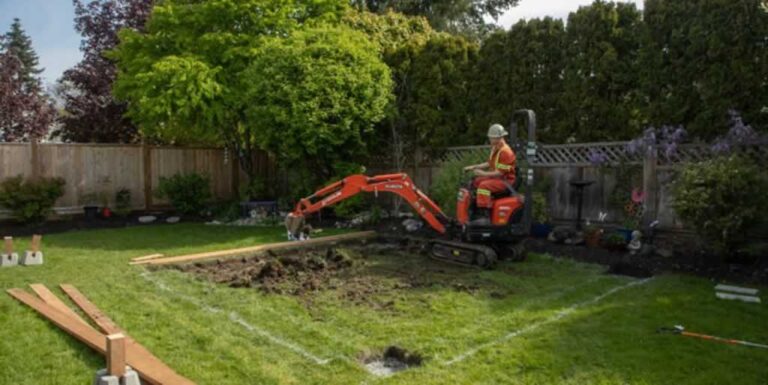
Mini excavators are defined by their ability to work in confined spaces, making them the ideal choice for home improvement and work in residential yards. Larger excavators are often simply too big and impractical for this kind of work.
- Utility Trenching: While this work (running water lines, gas pipes, or electrical conduit) is often carried out professionally, a mini excavator is essential for cutting a clean, narrow trench without removing too much soil.
- Foundation and Footing Work: Tasks like building a deck, adding a small garage, or installing a retaining wall are often done by homeowners or small contractors. It is essential to determine the exact depth of the footing, and this machine helps you avoid digging too much or too wide.
- Post Hole Drilling: Add an auger attachment. The ability to drill deep, accurate holes for fence posts, decks, or small foundations is a common use for homeowners, which is often easier than digging by hand.
Earth Moving & Grading
Often people forget that these machines are highly effective at not just digging, but also moving soil to where it is needed.
- Landscaping and Site Shaping: You can form mounds, smooth slopes, prep bases for retaining walls, or level garden areas. Because the machine is small, it works well in finished yards.
- Site Grading and Backfilling: Use the front dozer blade to spread soil. Then smooth everything out. Push dirt back into the trenches once the pipes are in place.
- Drainage and Ditch Cleaning: These machines slip into tight drainage spots where bigger equipment cannot fit. So you can reshape swales or clear clogged channels to improve water flow.
Demolition & Breaking
With specialized attachments, a mini excavator can tear down small structures and break up hard materials.
- Concrete and Rock Breaking: A hydraulic breaker shatters old slabs, small foundations, or big rocks that will not budge. It replaces hours of heavy jackhammer work.
- Light Structure Demolition: You can pull down sheds, small garages, or interior walls. The excavator arm provides strong leverage without the risk of manual pulling.
- Cleanup: After demolition, the bucket is used to scoop up the debris and load it into dumpsters or trucks.

Lifting and Planting
A 1-ton mini digger lifts a few hundred pounds fine if it’s near the body, while five-ton versions handle a couple thousand pounds with ease. That strength means it’s good for more than just trenching.
- Handling Heavy Materials: Use a chain and sling to move large landscape rocks or lower pipe bundles right into a trench. This saves your crew or your back from lifting strain.
- Tree and Shrub Planting: Dig a hole that matches the root ball. Then set the tree at the perfect height. Precise hydraulics help protect that root flare. Moving logs as well with a log grab.
Working in Tight Spots
The primary benefit of a mini excavator is its compact size, which enables it to handle a wide range of jobs that larger machines cannot.
- Zero and Reduced Tail Swing: Many models maintain the back end within the width of the tracks when rotating. You work right against a fence or wall without bumping it.
- Retractable Undercarriage: Some small machines offer the option to slide their tracks inward. This allows the excavator to slip through very narrow paths or even doorways. The operator can then widen the tracks again for better stability and balance once they reach the work area.
Final Thoughts
A mini excavator is more than a bucket on tracks. It is a flexible hydraulic tool that digs, lifts, breaks, plus cleans up with steady control. Picking the correct size matters. A 1- to 2-ton model works fine for small home projects, such as building a deck or trenching a short distance. The largest machines, weighing 5-8 tons, provide the power and lift capacity needed by professional contractors for deep foundations or heavy demolition. The payoff comes from saved time plus saved effort. What used to take days of back-straining work can now be completed in just a few hours. If you are planning a project, consider using a mini excavator to determine if it meets your needs. It might become your favorite problem-solver.