
In the construction industry, productivity often comes down to how well machines perform on-site.
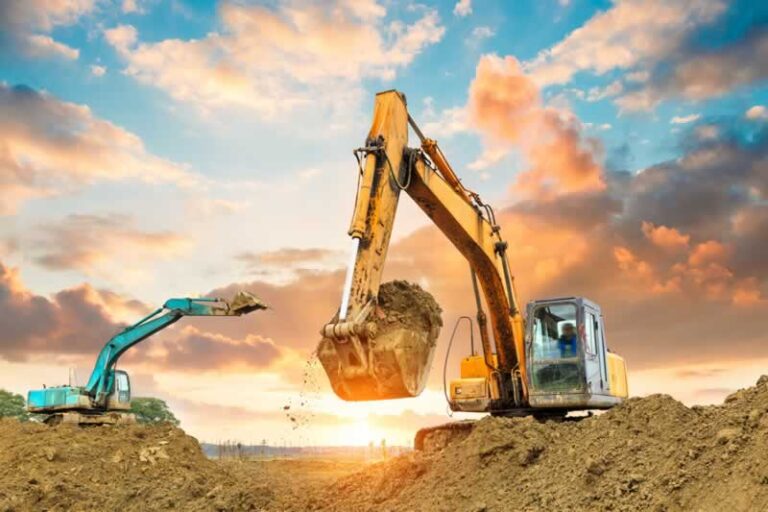
Excavators, being among the most widely used pieces of equipment, play a central role in this. Over the last decade, hybrid technology has started to reshape how excavators operate, helping contractors work smarter, cut costs, and reduce their environmental impact.
But what does this mean for everyday projects, and how is it changing the way construction professionals view excavator productivity?

What does hybrid technology in excavators mean?
When people think of hybrids, cars usually come to mind. The same principle applies to excavators. Hybrid technology combines traditional diesel engines with energy-efficient systems that capture and reuse energy.
In most cases, this involves:
- Energy recovery systems – capturing energy during swing movements and reusing it.
- Smaller, more efficient engines – relying less on high fuel consumption.
- Electric assist motors – boosting performance without demanding extra diesel power.
This combination delivers the same power you’d expect from a conventional excavator, but with better fuel efficiency and reduced wear on components.
How does hybrid technology improve excavator productivity?
Hybrid excavators reduce emissions and also bring real, measurable benefits to productivity on-site.
1. Reduced fuel consumption
Fuel is one of the biggest operating costs for construction companies. Hybrid excavators typically consume 20 to 30% less fuel than traditional models. This means contractors can run machines longer without refuelling interruptions, leading to smoother workflow and fewer delays.
2. Faster cycle times
Energy recovery systems allow hybrid excavators to swing loads faster and more smoothly. Quicker cycle times mean operators can move more material per hour, boosting overall efficiency.
3. Lower maintenance downtime
With reduced strain on the engine and hydraulic system, hybrid machines generally last longer between major services. Less downtime equals higher availability, which directly improves excavator productivity.
4. Operator comfort and efficiency
Hybrid excavators often run quieter and with smoother controls. For operators spending long hours in the cab, this reduces fatigue and helps maintain consistent performance throughout the day.
What does this mean for equipment buyers?
For contractors or companies considering an excavator for sale, hybrid models represent a smart long-term investment. While excavators may carry a slightly higher upfront cost, the savings in fuel and maintenance often balance out over the machine’s lifetime.
- Lower total cost of ownership – thanks to fuel efficiency and fewer repairs.
- Increased project competitiveness – less downtime and more productivity per hour.
- Better compliance – meeting environmental regulations and sustainability targets.
For many buyers, these factors make hybrids more attractive than sticking with traditional diesel-only machines.

Where do mini excavators fit into the hybrid future?
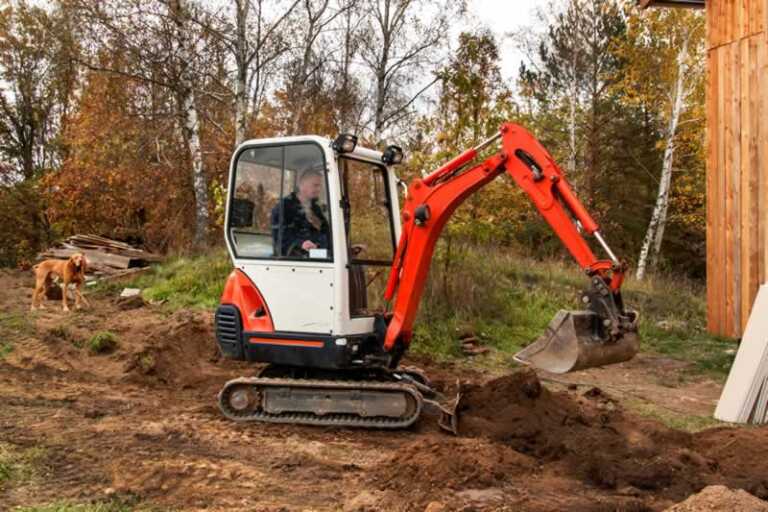
While hybrid technology is most common in larger machines, mini excavators are starting to see similar innovations. Compact hybrid designs are ideal for urban projects where space is limited, and noise or emissions are major concerns.
- Urban construction – quiet operation reduces disturbance in residential areas.
- Indoor or confined projects – electric-assist systems make smaller excavators safer in enclosed spaces.
- Lower running costs – making mini models especially appealing to smaller contractors.
As technology advances, we can expect hybrid systems to become standard across all sizes of excavators, including mini models.
Is the industry ready for full adoption?
Australia’s construction industry is gradually embracing hybrid equipment, driven by rising fuel costs and tighter environmental standards.
While not every company is ready to make the switch, the trend is clear. Hybrid excavators are more than just a novelty now and have gone on to become a practical, competitive choice.
Final Words: A smarter path to productivity
Hybrid technology is not just limited to being green but also working smarter. By cutting fuel costs, reducing downtime, and boosting efficiency, hybrid excavators are transforming the way construction professionals think about productivity.
For buyers exploring an excavator for sale, considering a hybrid model could mean stronger returns and a more sustainable fleet.
And as innovations continue to flow into mini excavators and other equipment, the future of the construction site looks set to be cleaner, quieter, and far more productive.