
Managing crane operations on-site can be tricky, especially when you need to keep track of equipment, ensure safety, and maintain productivity. Telematics plays a key role in all this by providing real-time data on crane location, usage, and condition.
You might not have thought about telematics as part of crane management before, but it is quickly changing how operators, managers, and contractors work together. Using telematics means you stay informed, safe, and efficient.
What is Telematics?
Telematics is the use of GPS, sensors, and communication tools to collect and send data from cranes to a central system. This system lets you see where your crane is, how it’s being used, and if it’s running smoothly.
When tracking this data, you can spot problems early, reduce downtime, and make sure cranes follow safety rules. For example, if you rent mini cranes, telematics helps you keep an eye on their exact position and condition without having to check them manually.

What Are The Types of Cranes Supported by Telematics
Telematics systems support many crane types, from large tower cranes on skyscrapers to mini cranes used in tight spaces.
Mini crane rental businesses benefit a lot because telematics helps track multiple machines on different sites. Whether it’s mobile cranes, gantry cranes, or jib cranes, telematics provides useful data that fits the size and type of the machine. This makes managing fleets easier and safer across many worksites.
What Are The Benefits of Telematics for On-Site Crane Management
Using telematics on your site gives you clear data to boost safety, save time, and keep your cranes working well. You get instant info about crane health, operator actions, and site conditions. This makes it easier to spot problems early and keep everything on track.
#1 Improving Safety and Compliance
Telematics helps you reduce accidents by tracking crane movements and operator behaviour in real time. You can identify unsafe practices quickly and stop risks before they cause harm. The system also ensures that your cranes meet legal safety checks and standards every day.
Maintaining precise records of operations and maintenance enables you to demonstrate compliance during audits. The data supports your commitment to safety, which helps when dealing with insurers or regulatory bodies. This means fewer delays caused by safety issues or paperwork.
#2 Improving Operational Efficiency
With telematics, you can use your cranes more wisely. You get detailed info on how often and how well each crane is working. This helps you schedule jobs better and avoid downtime.
The system tracks fuel use and wear on parts, so you can plan maintenance before big faults happen. Saving fuel reduces your costs and lowers your environmental impact. By improving crane rental use, you increase productivity and keep projects on budget.
#3 Real-Time Monitoring and Reporting
You can watch your crane fleet anytime through telematics. The live feeds show machine status, location, and any faults as soon as they occur. This allows you to act fast, whether it’s sending a mechanic or adjusting job tasks.
Automatic alerts and easy reports save you from manual checks and reduce paperwork. You can share these reports with your team or clients to keep everyone informed. This transparency helps your site run smoothly every day.

How To Integrate Telematics With On-Site Equipment and Workflows?
When you use telematics on-site, it connects your crane and other machines like excavators or upright scrubber machines to real-time data. This helps you keep everything running smoothly, coordinate your team, and plan maintenance better. You get clear insights to reduce delays and improve safety.
Telematics in Construction Equipment Coordination
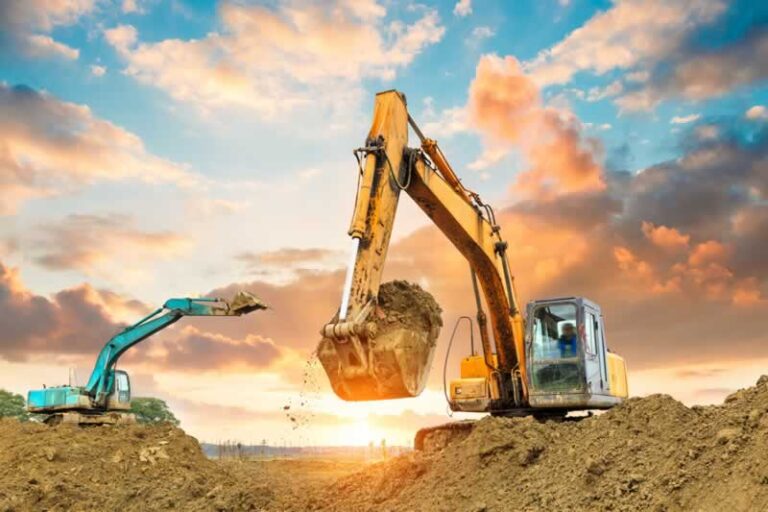
Telematics lets you track cranes, excavators for sale, and scrubber machines all at once. You can view their locations, status, and usage through a single platform. This means you can coordinate deliveries and tasks without confusion.
For example, if a crane is busy lifting, you can direct an excavator or cleaning machine nearby to work elsewhere. This prevents equipment from sitting idle and keeps the site active. Real-time alerts also let you fix issues before they disrupt the entire operation.
Optimising Maintenance and Downtime
Telematics provides live data on your equipment’s condition. You can see when a crane or scrubber machine needs maintenance before it breaks down. This lets you schedule repairs without stopping key work.
You avoid unexpected downtime that stalls a project. The system can alert you if a part runs low or shows signs of wear. By using telematics, you keep your machines running longer and avoid costly emergency fixes.
Final Thoughts
Telematics is fast becoming essential. From improving on-site safety and cutting down downtime to offering clear, real-time insights into crane performance, telematics empowers project managers to make smarter, faster decisions.
With this technology, you’re unlocking a more connected and cost-efficient way of managing crane operations. As worksites grow more complex, the ability to monitor, predict, and act in real time is critical to staying competitive and safe on the job.