

Cladding is a material that is used to cover the exterior of a building. It is usually applied to the frame and walls, but can also be used on roofing and ceilings. There are many different types of cladding available, and each has its own advantages and disadvantages. Metal cladding is one of the most popular choices, as it is durable and low maintenance. However, metal cladding can be expensive, and it is not always the best choice for areas with high winds or earthquakes.

Wood cladding is another popular option, as it is attractive and can be painted or stained to match the surrounding environment. However, wood cladding needs to be regularly maintained, as it is susceptible to rot and insect damage. You should also avoid using wood cladding in areas where there is a risk of fire, as it can act as fuel for a blaze. As you’ll discover in this article, where you are situated in the world has a lot to do with cladding choices, as different climates require different cladding materials. For example, in both hot and cold climates, cladding can be used to insulate buildings to help control temperatures inside the building.
The benefits of using different types of cladding
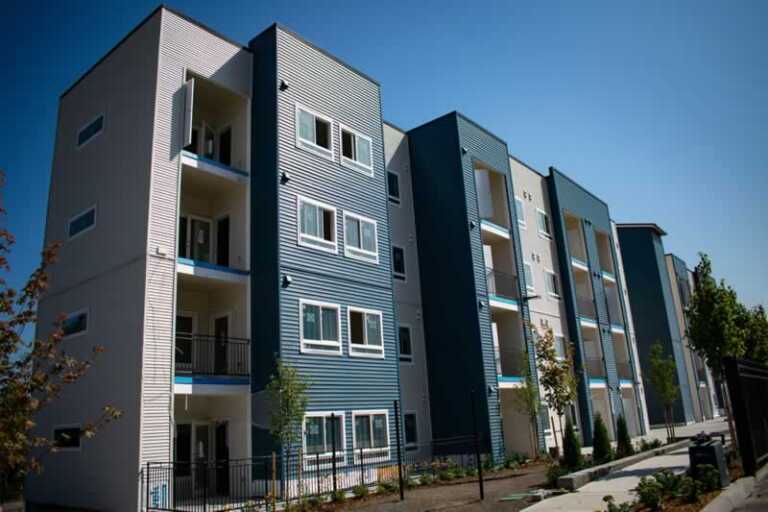
When it comes to cladding, there are many different options to choose from. Each type of cladding has its own set of benefits, ranging from energy efficiency to sustainability. Metal cladding, most commonly steel or aluminium, is one of the safest and most reliable forms of cladding. It’s also quite versatile; it can be used in a number structures and buildings. Not to mention, metal cladding is fire-resistant! One popular metal cladding option is standing seam cladding. This type of cladding is made from two pieces of metal that are joined together by a raised seam as can be seen by the award winning project completed by QP Plumbing in Melbourne, Australia. The standing seam design helps to deflect water and wind, making it an ideal choice for exposed buildings.
In addition, standing seam cladding is highly durable and low maintenance, making it a popular choice for both commercial and residential buildings. Another benefit of standing seam cladding is that it can be recycled at the end of its lifespan, making it a more sustainable option than other types of cladding. When choosing cladding for a building project, it is important to consider all of the available options in order to choose the best possible solution. Wood cladding is also an option for cladding the exterior of buildings, as it provides an attractive natural look. Wood cladding is relatively easy to purchase and install, although it can be more expensive than other cladding options. Additionally, wood cladding needs regular maintenance to ensure that it remains in good condition for a long period of time.
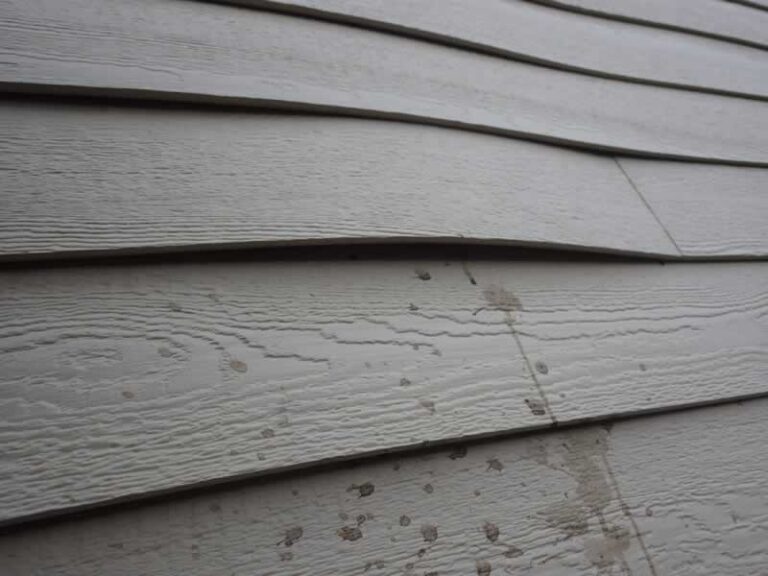
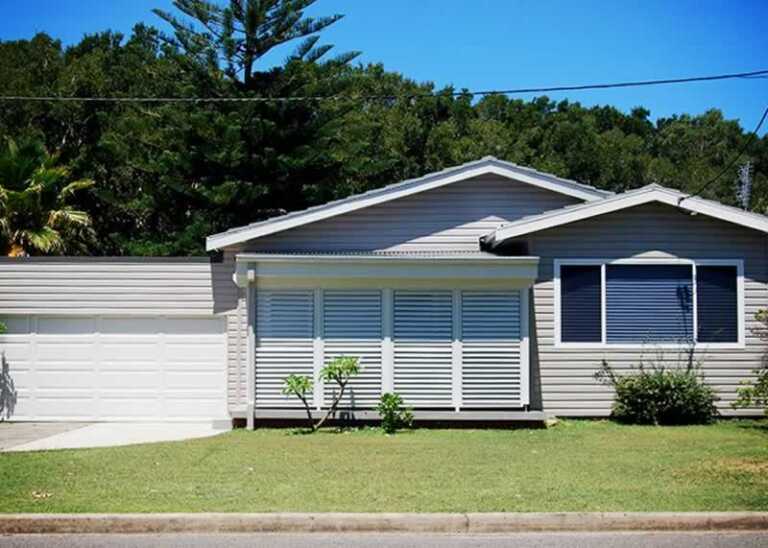
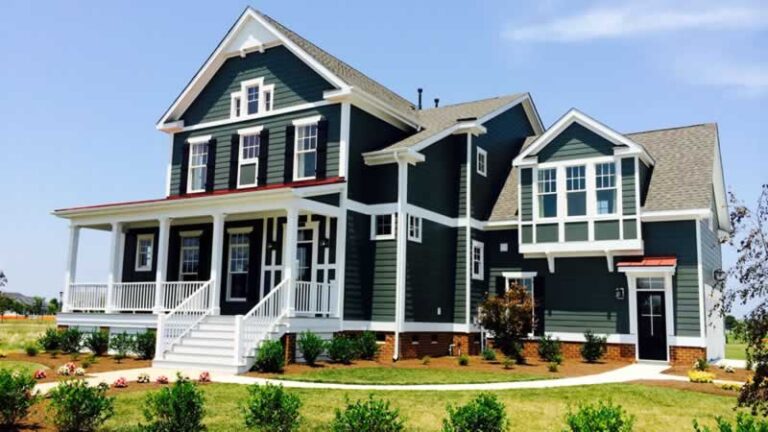
Vinyl Cladding is a contemporary cladding option that is becoming increasingly popular. It is made from durable PVC and provides a modern, low maintenance cladding solution for domestic or commercial buildings. It has excellent weather-proofing properties which makes it well suited to colder climates, as well as being attractive, easy to install and cost-effective. Vinyl cladding also provides you with a range of colour choices and styles. Vinyl cladding is available in a wide variety of shapes, sizes and colours allowing you to design the perfect cladding for your home or business. Metal cladding will last the longest, followed by vinyl cladding, and then wood cladding. Ultimately, the best cladding option for you will depend on your individual needs, budget, and preferences.
How climate should impact your cladding selection
The location of your building plays a role in the type of cladding that is available to you. For instance, Australia has a one-of-a-kind climate, so the kind of cladding used on buildings there affects both its look and how long it lasts. In general, Australian conditions are much harsher than those in the UK or USA, with greater temperature variations and some extreme weather conditions. This means that the materials used for cladding need to be able to withstand extreme heat and direct sunlight, as well as heavy rains and high winds. Because of this, Australian architects and builders typically choose cladding materials that will last longer than other options, even if it means using a different product than what is popular in the rest of the world. It is crucial that you speak to an expert about the best type of cladding for your new home or office before beginning construction. The kind of cladding you need depends on where your project is located.

There are a number of different cladding materials available on the market today, each with its own unique set of benefits. In order to make the best decision for a particular project, it is important to consider the specific needs of the building. For example, in a country like Canada with a relatively cold climate, cladding made from insulated material can help to keep heating costs down. On the other hand, cladding that is resistant to fire may be a priority in an area with a high risk of wildfires.
Global case studies
Case studies of buildings that have used different types of cladding can be helpful in making informed decisions about cladding material. In one such case study, an office building in downtown Toronto used brick cladding on the exterior to create a sleek and modern look. The brick is an effective insulator, helping to keep the interior of the building warm during the winter months. The cladding also provides some protection against fire, which was an important consideration given the location of the building. Overall, the use of brick cladding helped to create a safe and efficient office space.
In another case study, a home in Vancouver used cedar cladding on the exterior to create a natural and inviting environment. The cedar is naturally resistant to rot and insect damage, making it an ideal choice for the family. The cladding also helps to regulate temperature, keeping the interior cool in the summer and warm in the winter. In addition, cedar is a sustainable material that was sourced from local forests. The use of cedar cladding helped to create a healthy and sustainable home. There are many benefits to using cladding on buildings, including energy efficiency, sustainability, and aesthetics. Different types of cladding can be used depending on the climate and weather conditions in an area. Metal cladding is a popular choice for many people because it is easy to install and repair.
DIY Cladding
If you’re going to DIY your own cladding on a building its important to know the risks and benefits of the materials and installation. DIY cladding can be a cost-effective solution, but there are some potential drawbacks as well. DIY cladding may not provide sufficient insulation or protection from weather elements. It also requires careful planning and installation to ensure that cladding is correctly installed and sealed properly to prevent water damage. It’s important to understand building regulations in your area too. DIY cladding may not meet these regulations and could lead to issues down the line such as creating a fire hazard you might be liable for. On the other hand, DIY cladding can give you more control over the look and feel of your home or business. You can choose materials that meet your budget and design preferences. With a bit of research, you can even find materials with added insulation to help reduce energy costs.
Ultimately, cladding offers a great way to improve the look and feel of your building, but you should consider both the risks and benefits of cladding before taking on this project. It’s important to understand the regulations in your area and potential safety concerns as well as cost savings.

I’m delighted you brought up the fact that metal cladding is among the most dependable and safe types of cladding. In addition to being adaptable since it may be utilized in a variety of constructions and structures. Using one seems like a smart idea, especially since my son intends to finish his home. I’ll be sure to let him know about this and look into businesses that can assist him in getting for his home.