
Wood wall panels are one of the easiest ways to transform a plain, boring wall into a striking design feature. Whether you want to create a cozy living room, a modern office backdrop, or a bold statement wall, wood panels add texture, warmth, and architectural depth that paint or wallpaper simply cannot replicate.
In recent years, decorative wood panels, especially geometric designs and slatted patterns, have become a favorite among homeowners, designers, and architects alike. This guide will help you understand the different types of wood wall panels, what to consider before buying, and how to choose the right style for your space.
What Are Wood Wall Panels?
Wood wall panels are pre-made panels or planks designed to be installed on interior walls to create texture, depth, and visual interest. They can be made from solid wood or engineered wood materials and are commonly used in living rooms, bedrooms, offices, restaurants, and retail spaces.

Unlike traditional flat walls, wood panels introduce natural grain patterns, warmth, and dimension, making a room feel more sophisticated and inviting.
Types of Wood Wall Panels
There are several styles of wood wall panels available today. Each creates a different design effect depending on the pattern, material, and installation method.
1. Slat Wood Wall Panels
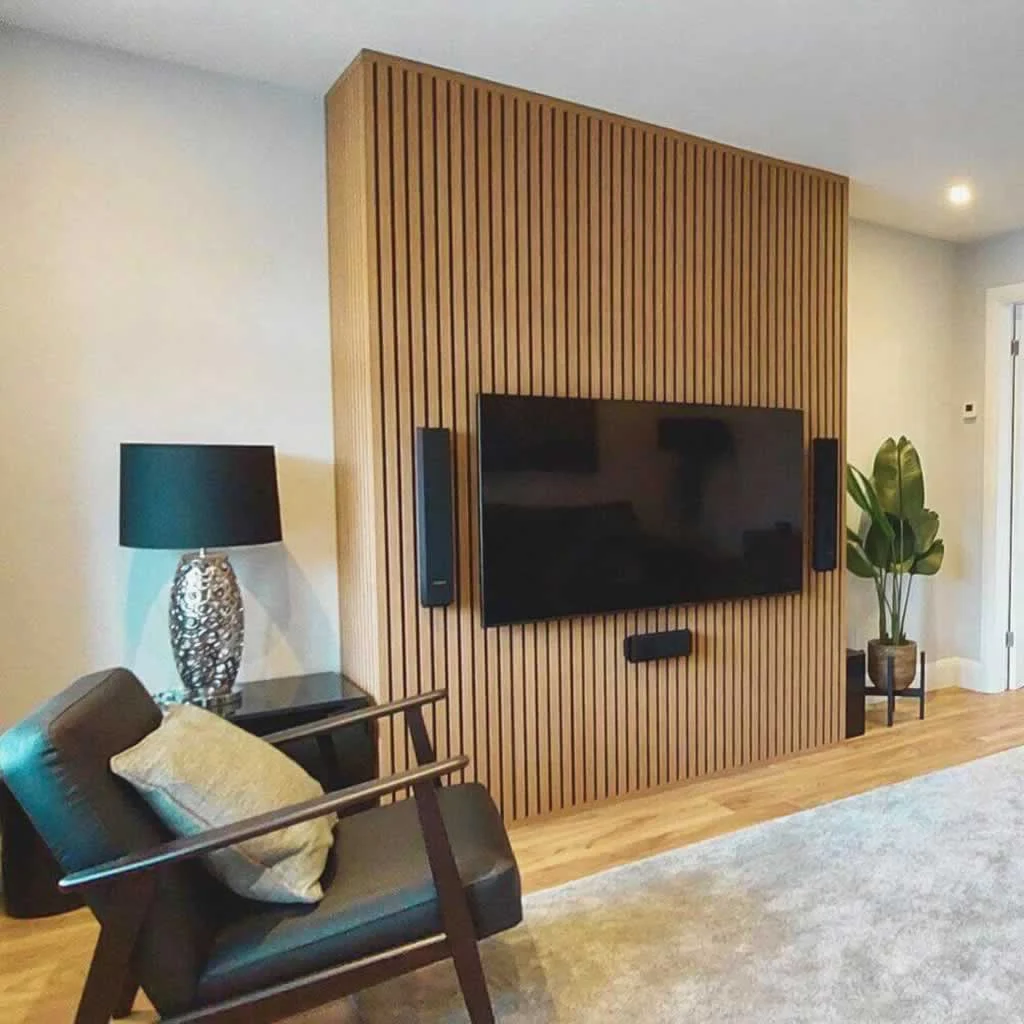
Slat panels feature evenly spaced wooden strips mounted vertically or horizontally.
These panels are popular for modern interiors, Scandinavian design, TV feature walls, and office backdrops.
Some slat panels also include acoustic backing that helps reduce echo and improve sound quality in large rooms.
2. Geometric Wood Wall Panels
Geometric wall panels create visually striking patterns using shapes like triangles, diamonds, or intersecting lines.
Instead of simple linear slats, these panels form architectural patterns that become the focal point of a room.
One of the leading brands offering premium wood wall panels is The Panel Hub. Besides their best-selling acoustic slat wall panels, their geometric wall panels are crafted from 100% solid wood and designed in multiple styles to create a non-repetitive, dynamic pattern across the wall. Each panel adds depth and structure, allowing homeowners to build a modern feature wall without complex carpentry.
These panels are particularly popular for:
- Living room feature walls
- Entryways
- Hotel-style bedroom headboards
- Office interiors
3. Decorative Wood Panels
Decorative panels focus primarily on visual impact rather than acoustic function. They often feature carved surfaces, textured grids, or artistic patterns. If this style is what you are looking for, The Panel Hub also has something for you in their decorative GroovePanel® collections.
These panels are commonly used to:
- Add texture to large walls
- Replace traditional wallpaper
- Elevate interior design with architectural detail
What to Consider Before Buying Wood Wall Panels
Before purchasing wall panels, there are a few key factors to evaluate to ensure the panels work well in your space.
1. Material Quality
The material affects durability, appearance, and longevity. Common materials used for wood wall panels include solid wood (natural and premium), engineered wood or veneer panels, and MDF panels that are often used for painted designs.
If you want the most authentic look, solid wood panels offer the most natural grain and texture.
2. Panel Design and Pattern
Different patterns create different visual effects.
For example:
- Slats create height and rhythm
- Geometric patterns create a bold statement wall
- Textured panels add subtle depth
When choosing a pattern, consider the scale of the room. Large geometric patterns work best on larger walls, while smaller spaces benefit from simpler designs.
3. Installation Method
Most modern wood panels use one of the following installation methods:
- Construction adhesive
- Nails or brad nails
- Hidden mounting systems
Panels designed for DIY installation can often be installed in just a few hours, depending on the wall size.
4. Maintenance
Solid wood panels typically require minimal maintenance.
In most cases, occasional dusting or wiping with a damp cloth is enough to keep them looking their best.
Tips for Designing with Wood Wall Panels
Here are a few simple tips to maximize the impact of wood wall panels in your home.
1. Use Panels as a Feature Wall
Instead of covering every wall, install panels on one focal wall such as:
- Behind a TV
- Behind a bed
- Entryway walls
- Dining areas
This creates a dramatic effect without overwhelming the room.
2. Pair Wood Panels with Neutral Colors
Wood panels work best when paired with simple materials like white or beige walls, stone textures, or minimalist furniture. This keeps the panels as the main visual highlight.
3. Consider Lighting
Wall lighting or LED strip lighting can enhance the depth and texture of the panel design.
Wood wall panels are one of the most effective ways to elevate an interior space. From minimalist slat designs to bold geometric patterns, they allow homeowners to introduce warmth, texture, and architectural interest without a full renovation.
If you want a modern statement wall that combines natural materials with striking design, geometric solid wood panels, like those offered by The Panel Hub, can instantly transform an ordinary wall into a centerpiece of the room.