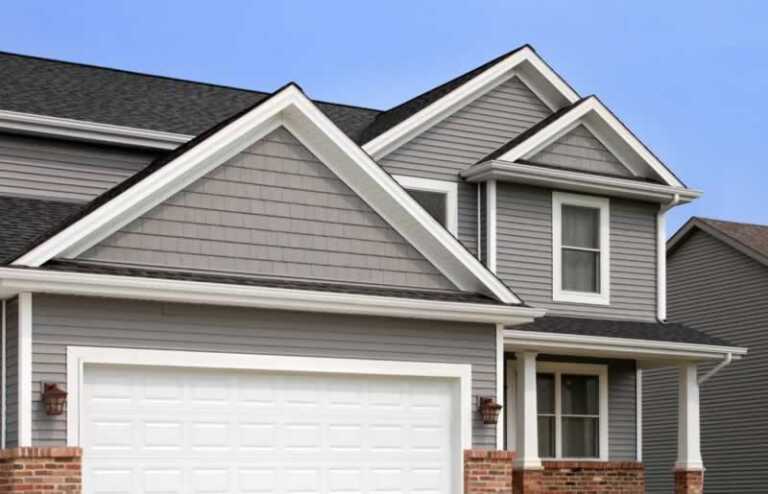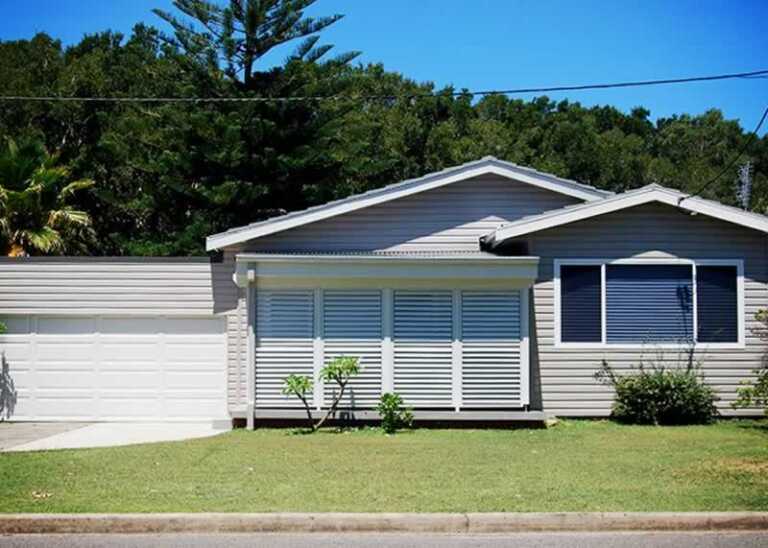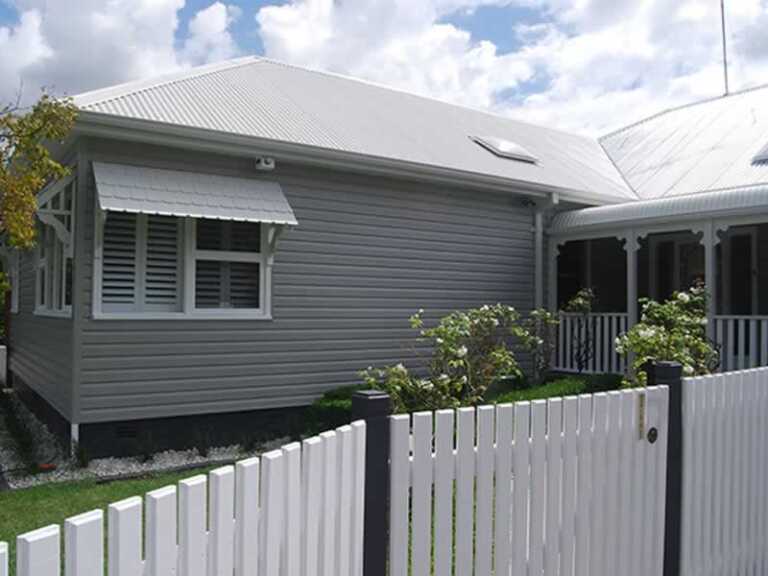

Timber cladding is one of the easiest ways to upgrade the look and performance of a property. For DIY builders and homeowners, it offers a natural finish, excellent insulation, and straightforward installation. With the right preparation and tools, even first-time installers can achieve professional results that last for years.
Choosing the right material
Before starting, select a durable and stable timber species. Heat-treated profiles such as Loglap Cladding are a reliable option because they resist moisture, movement, and decay. Their overlapping design makes alignment simple and helps water shed efficiently from the surface.

Preparing the structure
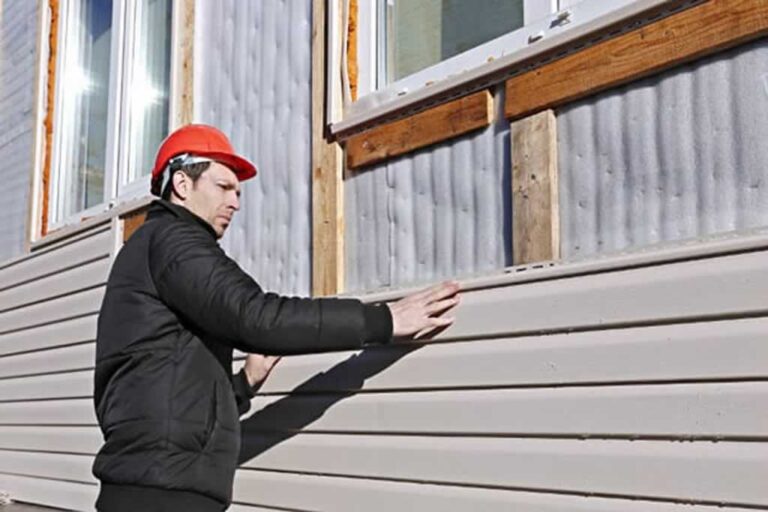
A successful installation starts with proper preparation. Fix vertical battens to the wall at regular 400 mm centres to create a ventilated cavity. This air gap prevents moisture from getting trapped behind the boards and allows the façade to breathe. Always use stainless-steel screws or nails to avoid rust stains and ensure long-term strength.
Installing the boards
Begin at the base of the wall and work upward, checking each row for level before fixing the next. Maintain consistent spacing between boards to allow natural expansion and contraction. For external corners or windows, use trim boards to create clean junctions and protect cut ends from exposure.

Finishing and maintenance
Once installed, you can leave the timber to weather naturally to a silver-grey tone or apply a protective coating for colour stability. Inspect the cladding annually, cleaning off dirt or debris and re-coating as needed depending on exposure and finish type. Regular care preserves both appearance and lifespan.
Why timber cladding works
Timber provides a renewable, low-carbon alternative to synthetic siding products. It’s lightweight, easy to work with, and visually warm — an ideal match for sustainable home improvement projects. With a few simple steps and quality materials from Timber Cladding Specialists, DIY users can create façades that combine practicality, performance, and natural beauty.