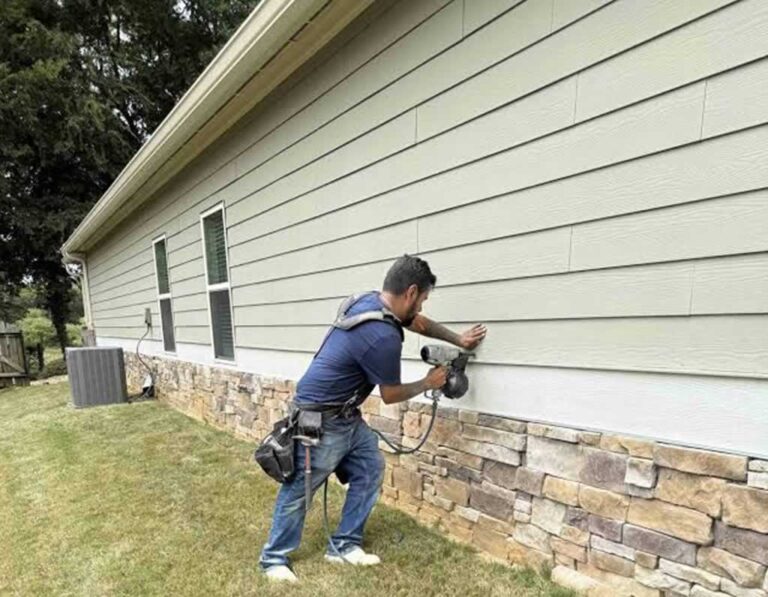
A siding company Atlanta homeowners trust can help address exterior problems before small warning signs turn into expensive structural repairs.
Siding is easy to overlook because deterioration often starts gradually, with a loose panel here, a faded section there, or a small patch of moisture that does not initially seem urgent.
When those issues become noticeable across several areas of the house, speaking with a siding company Atlanta homeowners can turn to for professional evaluation can help determine whether targeted repairs or full replacement makes more sense.
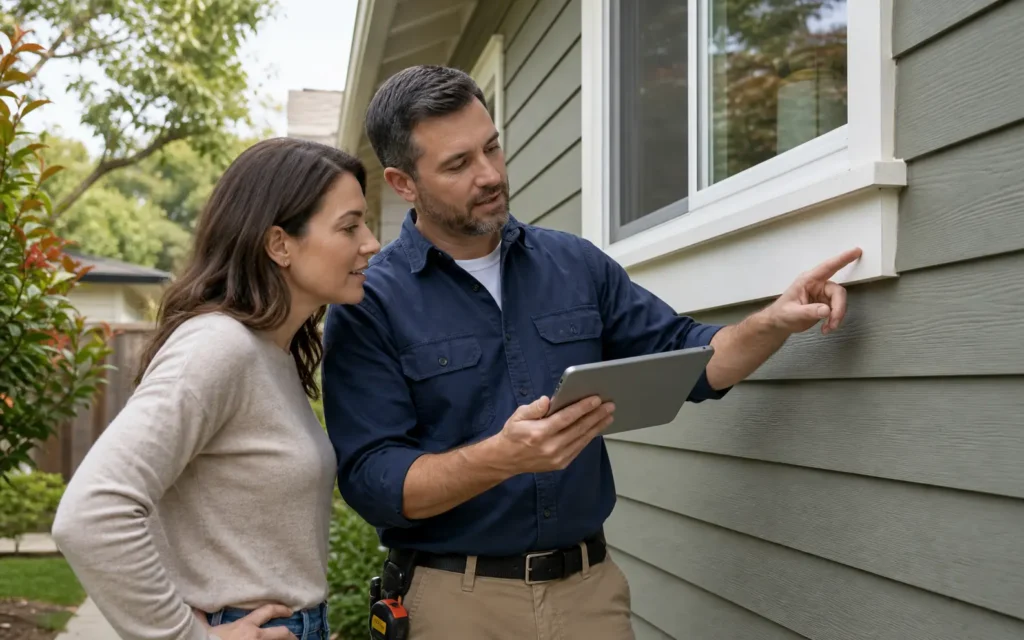
Your Siding Is Cracked, Warped, or Coming Loose
Visible damage is one of the clearest indications that siding needs professional attention.
A few small cracks may look cosmetic, but openings in the exterior can allow rainwater, insects, and moisture to reach materials that are supposed to remain protected.
Warped panels deserve attention as well because properly installed siding should generally sit flat and securely against the home.
Imagine walking around the house after a summer storm and noticing that several panels on the west-facing wall have pulled away from the structure.
Putting them back into position may seem like a quick weekend fix, but widespread movement could point to installation problems, moisture damage, or deterioration beneath the surface.
A professional exterior inspection can identify the actual cause instead of simply covering up the visible symptom.
You Keep Finding Rot or Soft Areas
Rot is more serious than faded paint or minor surface wear because it often indicates ongoing moisture exposure.
Wood-based siding materials can become soft, swollen, brittle, or discolored when water repeatedly gets behind the exterior.
Even siding materials that do not rot themselves can sometimes hide deteriorating sheathing or framing underneath.
Homeowners can occasionally spot trouble by looking around window edges, corners, rooflines, and areas close to gutters or downspouts.
If one section feels noticeably softer than surrounding material or appears to be crumbling, waiting another season may allow the damage to spread.
Moisture Problems Can Extend Beyond the Exterior
The siding system is part of the home’s defense against water, not simply a decorative outer layer.
Once moisture gets behind damaged panels, it may affect insulation, sheathing, interior drywall, and other building materials.
A homeowner might first notice peeling interior paint on an exterior wall and assume the room simply needs repainting.
If the same area also has damaged siding outside, however, the two problems may be connected.
Finding the source of moisture before making cosmetic repairs can prevent the same issue from returning.
Your Energy Bills Have Changed Unexpectedly
Higher heating or cooling bills do not automatically mean the siding is responsible, but the exterior envelope is worth investigating when energy use rises without an obvious explanation.
Gaps, deteriorated insulation, poorly sealed exterior penetrations, and damaged siding assemblies can make it harder to maintain comfortable indoor temperatures.
Atlanta’s hot, humid summers can make weaknesses particularly noticeable when an air-conditioning system is already working hard.
For example, a homeowner may notice that upstairs bedrooms suddenly feel warmer in the afternoon even though the HVAC system was recently serviced.
If those rooms sit along an exterior wall with aging or loose siding, the building envelope may deserve a closer inspection.
Replacing damaged exterior materials and addressing insulation or weather-resistant barriers at the same time can improve overall performance when those components are part of the problem.
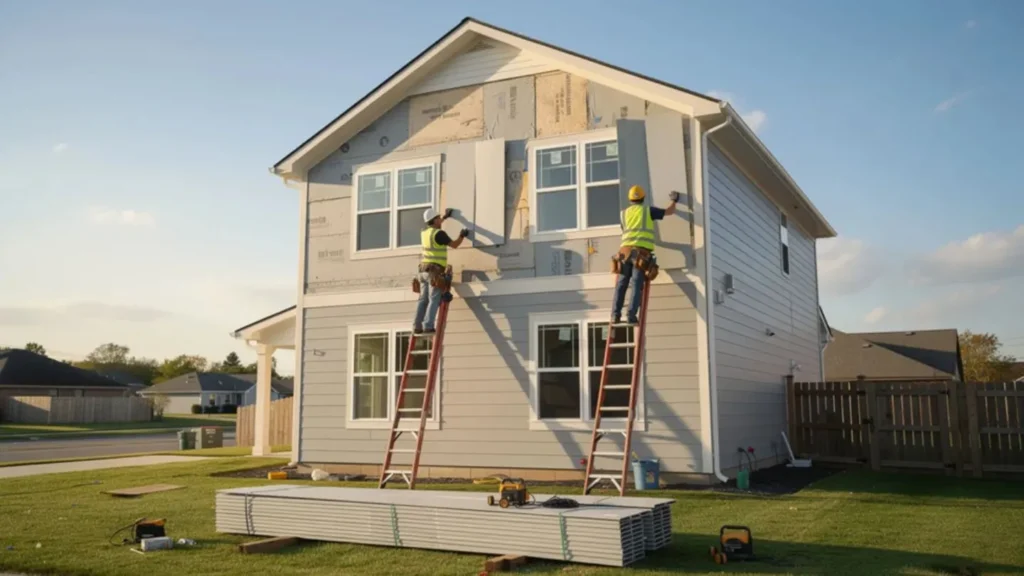
Paint Keeps Peeling or Bubbling
Peeling paint is sometimes dismissed as an ordinary maintenance issue, but repeated peeling can signal trapped moisture.
If a wall is repainted and the finish begins bubbling again relatively quickly, another coat of paint is unlikely to solve the underlying problem.
Look closely at where the deterioration occurs.
Paint problems concentrated near windows, exterior corners, or sections with visibly damaged cladding may indicate that water is entering where it should not.
A qualified siding contractor can examine flashing, seams, trim, caulking, and nearby materials to determine where moisture may be getting through.
You Notice Mold, Mildew, or Persistent Staining
Exterior siding naturally collects dust, pollen, and dirt, so discoloration alone does not always indicate a major problem.
Stains that repeatedly return after cleaning deserve more attention, particularly when they appear around seams, beneath windows, or near damaged panels.
Mold and mildew thrive where moisture lingers.
Dark streaks on a shaded wall might simply result from surface growth, while persistent staining around one specific joint could suggest a drainage or water-intrusion issue.
The important distinction is whether the problem is purely on the surface or connected to moisture getting behind the siding.
Professional evaluation can help make that distinction before unnecessary replacement work is considered.
Your Siding Has Reached the Later Years of Its Service Life
No exterior cladding lasts indefinitely.
Actual service life varies considerably depending on siding material, installation quality, maintenance, weather exposure, moisture management, and the home’s specific conditions.
Age therefore should not be treated as an automatic reason for replacement, but it becomes more relevant when several other warning signs appear at the same time.
A homeowner with older siding that still sits flat, keeps water out, and shows no meaningful deterioration may not need immediate replacement.
By contrast, an aging exterior with recurring repairs, loose sections, cracking, moisture problems, and widespread fading may be reaching the point where continued patchwork becomes less practical.
Frequent Repairs Can Become a False Economy
Repairing one damaged section is often sensible when the rest of the exterior remains in good condition.
The calculation changes when repairs become routine.
Suppose one corner needs work in spring, another wall requires replacement panels in summer, and new cracks appear before winter.
Paying for separate service visits every few months can eventually become less economical than addressing the aging siding system as a whole.
Ask a contractor to explain the condition of the remaining material, not just the section currently causing trouble.
That gives you a better basis for comparing the cost of another repair with the longer-term value of replacement.
Storm Damage Is Visible Around the House
Atlanta-area homes can experience strong winds, heavy rain, hail, and severe thunderstorms, all of which can affect exterior materials.
Damage is not always dramatic enough to be obvious from the driveway.
Panels may loosen, crack, dent, or shift without completely falling away from the house.
After significant weather, walk around the property from a safe position and look for missing pieces, lifted edges, impact marks, damaged trim, and changes around windows or corners.
Avoid climbing onto roofs or attempting to inspect dangerous elevated areas yourself.
If the exterior looks noticeably different after a storm, documenting visible damage with photographs and arranging a professional inspection can help establish what needs attention.
The Exterior Looks Uneven or Noticeably Dated
Not every reason to replace siding involves an emergency.
Sometimes the material is still functioning but has faded unevenly, accumulated mismatched repairs, or reached a condition that makes the entire property look tired.
Curb appeal matters particularly when homeowners are preparing to sell or completing broader exterior renovations.
New siding can create a more consistent appearance, but aesthetics should still be balanced with practical considerations such as durability, maintenance requirements, moisture management, and compatibility with the home’s architecture.
Choosing solely by color can overlook the features that affect long-term performance.
What to Ask Before Hiring a Siding Contractor
A good estimate should explain more than the final price.
Ask what material is being recommended, what preparation is required, how damaged underlying materials will be handled, what flashing or weather-resistant components are included, and what warranties apply.
Homeowners should also clarify whether removal and disposal of existing materials are included and what happens if hidden damage is discovered after the old siding comes off.
For example, a low initial estimate can become much less attractive if important preparation, trim work, or disposal costs appear later as extras.
Comparing detailed scopes of work makes competing estimates far easier to evaluate.
Do Not Wait for a Small Problem to Spread
Siding problems rarely improve on their own, and exterior damage that appears minor can sometimes hide more extensive moisture or structural concerns.
Cracks, warping, rot, recurring stains, loose panels, storm damage, and repeated repairs are all good reasons to investigate further rather than simply watching the problem grow.
Calling a siding company Atlanta homeowners recommend does not automatically mean committing to full replacement.
A careful inspection should help clarify whether the home needs a straightforward repair, additional moisture investigation, or a more comprehensive exterior upgrade.
Addressing the problem at the right time can protect the building envelope, preserve curb appeal, and reduce the likelihood that a manageable siding issue becomes a much larger home repair.