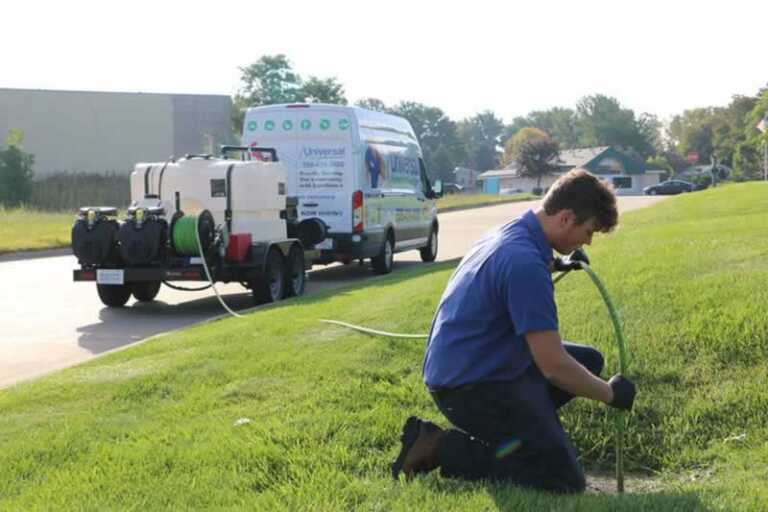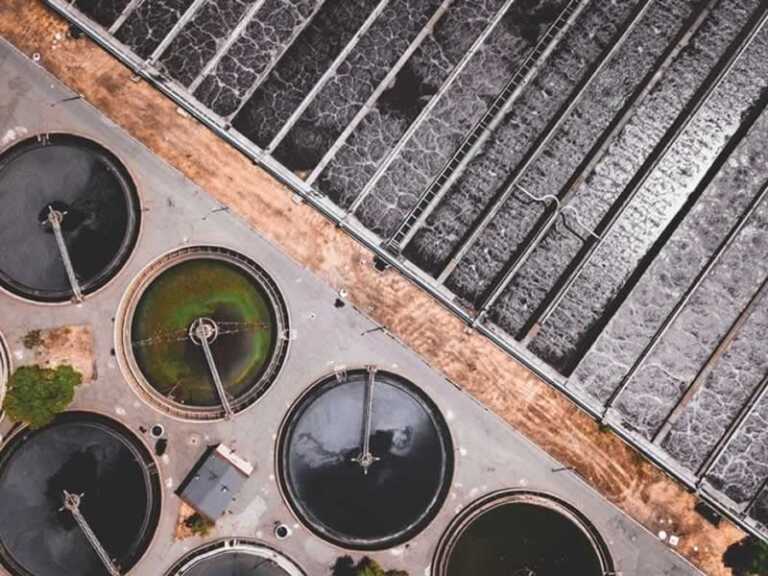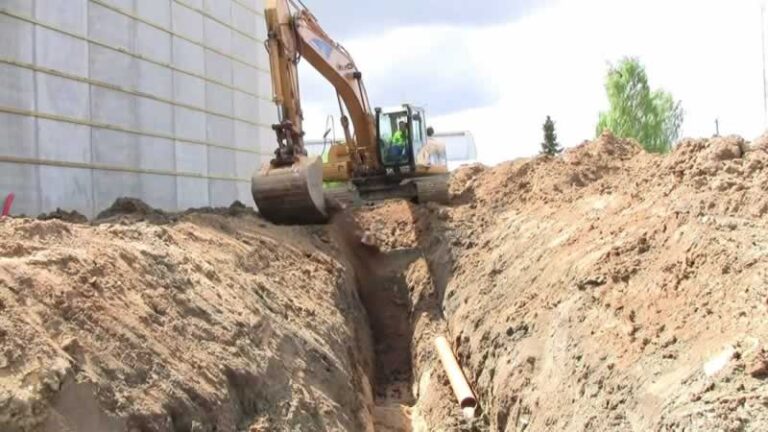

When it comes to sewage pump stations, proper maintenance is the key to ensuring optimal performance. These vital systems play a crucial role in managing wastewater and preventing overflow or blockages. But without regular care and attention, they can become prone to breakdowns and inefficiencies. In this comprehensive guide, we will walk you through the essential steps for maintaining your sewage pump stations. From inspecting and cleaning the pumps to monitoring float switches and alarms, we will cover all the necessary tasks to keep your system running smoothly. We’ll also provide helpful tips on scheduling maintenance, troubleshooting common issues, and ensuring compliance with regulations. By following these guidelines, you can prevent costly repairs, maximize pump longevity, and minimize disruptions to your sewage system. Don’t let negligence or lack of knowledge compromise the performance of your pump stations. Join us as we unlock the secrets to perfect pumping and help you keep your sewage system in top shape.

We will also shed light on the consequences of neglecting maintenance and telematics’ role in monitoring these critical systems’ health.
1. The Importance of Maintenance Plans
Maintenance plans for sewage pump stations are essential to keep the systems in peak condition. These plans encompass regular inspections, preventive maintenance tasks, and adherence to industry standards. Here’s why having a well-defined maintenance plan is crucial:
- Maximizing Performance and Reliability: Regular inspections and maintenance tasks ensure that sewage pump stations operate at their optimal level, maximizing their performance and reliability. This includes checking pump efficiency, lubrication, and electrical connections.
- Proactive Issue Identification: Regular inspections allow early detection of potential issues before they escalate into major problems. This enables timely repairs, preventing costly breakdowns and reducing the risk of sewage spills or backups.
- Extending Lifespan: A well-maintained sewage pump station has a longer operational lifespan. By addressing minor issues promptly and conducting routine maintenance tasks, such as cleaning debris from pumps and inspecting valve functionality, the lifespan of the system can be significantly extended.
2. Everyday Tasks During Regular Inspections
During regular inspections of sewage pump stations, several key tasks are typically performed. These include:
- Pump Performance Assessment: Evaluating pump performance through flow rate measurements, pump vibration analysis, and checking for signs of excessive wear or damage.
- Electrical System Evaluation: Inspecting electrical connections, and control panels, and monitoring the functioning of motor starters, circuit breakers, and alarms.
- Mechanical Component Inspection: Examine mechanical components such as valves, seals, bearings, and couplings for any signs of wear, leaks, or misalignment.
- Cleaning and Debris Removal: Clearing debris and sediment from the wet well, screens, and intake grates to ensure unimpeded flow and prevent clogging.
- Lubrication and Fluid Level Checks: Verifying lubrication levels in pumps and motors and replenishing fluids as needed.

3. Consequences of Neglecting Regular Maintenance
Neglecting regular maintenance of sewage pump stations can have detrimental effects on both the system and the environment. Some potential consequences include:
- Reduced Efficiency: Lack of maintenance leads to decreased pump performance, resulting in reduced efficiency and increased energy consumption.
- Increased Risk of Failures: Ignoring maintenance increases the risk of pump failures, leading to sewage spills, environmental contamination, and potential legal and regulatory consequences.
- Costly Repairs and Replacements: Neglected systems are more prone to breakdowns, requiring expensive emergency repairs or even the replacement of critical components or entire pump stations.
4. Telematics for Reporting on Pump Station Health
Telematics technology plays a vital role in monitoring the health of sewage pump stations. Collecting data from sensors enables real-time reporting on crucial parameters such as flow rates, pump status, power consumption, and equipment vibrations. This data-driven approach allows for proactive maintenance, predictive analytics, and improved decision-making.
Conclusion
Regular cesspool pumping in Nassau County, NY is the key to ensuring optimal performance, reliability, and longevity of sewage pump stations in Long Island. By implementing a comprehensive maintenance plan and conducting regular inspections, operators can identify and address issues promptly, avoiding costly failures and environmental hazards. Additionally, leveraging telematics technology enhances monitoring capabilities, enabling proactive maintenance and data-driven decision-making.