

Water doesn’t wait for a convenient moment. One minute the kitchen floor is dry, and the next you’re standing in an inch of water trying to figure out what just happened. A burst pipe can flood a room in minutes, and every minute it sits there adds to the cost of putting things right.
Quick answer: if a pipe bursts, shut off the main water valve, stay clear of any electrical hazards, remove standing water if it’s safe to do so, and call in help fast. The longer water sits in walls, floors, or ceilings, the more damage and mold risk you’re looking at.
South Florida homes and businesses deal with this more than most. Aging plumbing, slab leaks, high water pressure, failed supply lines, storm damage, and rushed installations all play a part. Add in the region’s heat and humidity, and a small leak can turn into a bigger problem fast.
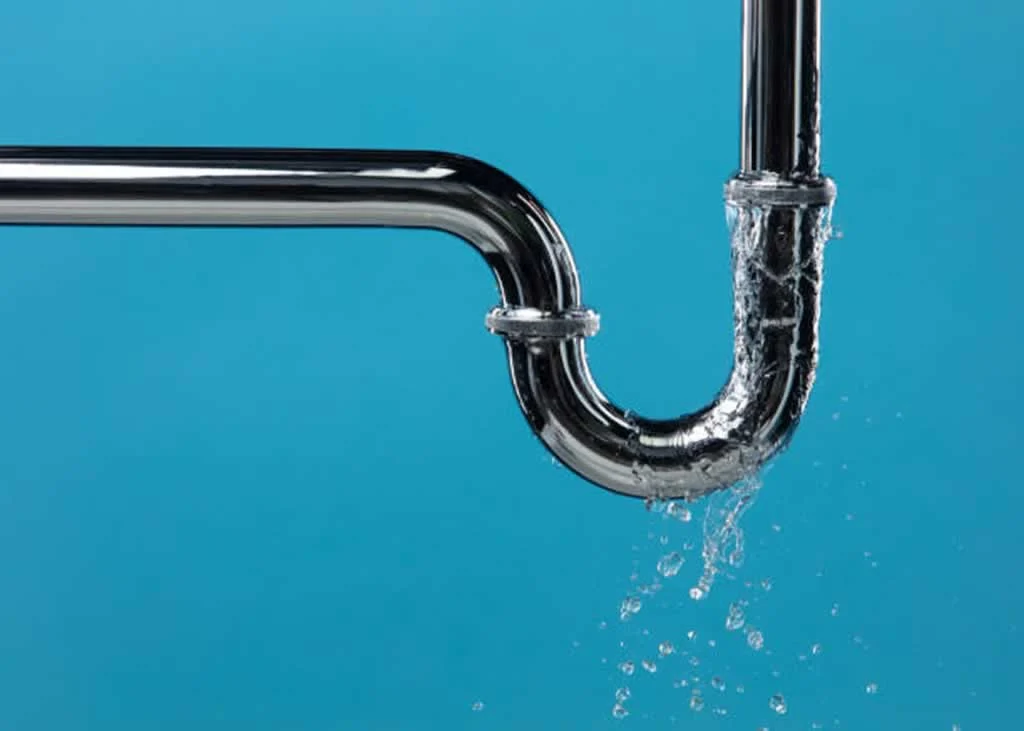
Common Signs of a Burst Pipe
Sometimes the damage is obvious. Other times, it hides behind a wall for days before anyone notices.
Watch for:
- Water coming from walls or ceilings
- Wet drywall or bubbling paint
- Ceiling stains that seem to appear overnight
- Standing water on floors
- Warped or soft flooring
A sudden drop in water pressure is another clue that’s easy to miss. So is a water bill that jumps for no clear reason. If your faucet is barely trickling and you can’t explain why, there’s a decent chance water is going somewhere it shouldn’t.
Step 1: Shut Off the Main Water Supply
This comes first, before anything else. Turning off the main valve stops more water from pouring into the property while you sort out the rest.
Every homeowner and business owner should know where this valve sits before an emergency ever happens. Trying to find it while water is spreading across the floor is not the time to learn. If you haven’t checked yet, walking through the basics of handling a home plumbing emergency now can save you real trouble later.
Step 2: Turn Off Power If Needed
Water and electricity are a bad mix. If water is anywhere near outlets, appliances, wiring, or an electrical panel, cut the power, but only if you can do it safely.
Never step into standing water when there’s any chance of an electrical hazard. If reaching the breaker means walking through water first, leave it alone and call an electrician or the fire department instead.
Step 3: Call Water Damage Professionals
A plumber fixes the pipe. That part’s straightforward. What’s left behind, the water that soaked into your walls, floors, and cabinets, is a different job entirely.
Water hides. It slips into insulation, framing, and flooring where you can’t see it, and it doesn’t dry on its own in a useful timeframe. According to the Environmental Protection Agency, mold can start growing within 24 to 48 hours of a water leak or spill if the area isn’t dried out. That’s a tight window, and it’s the reason restoration teams treat speed as part of the job, not an upgrade.
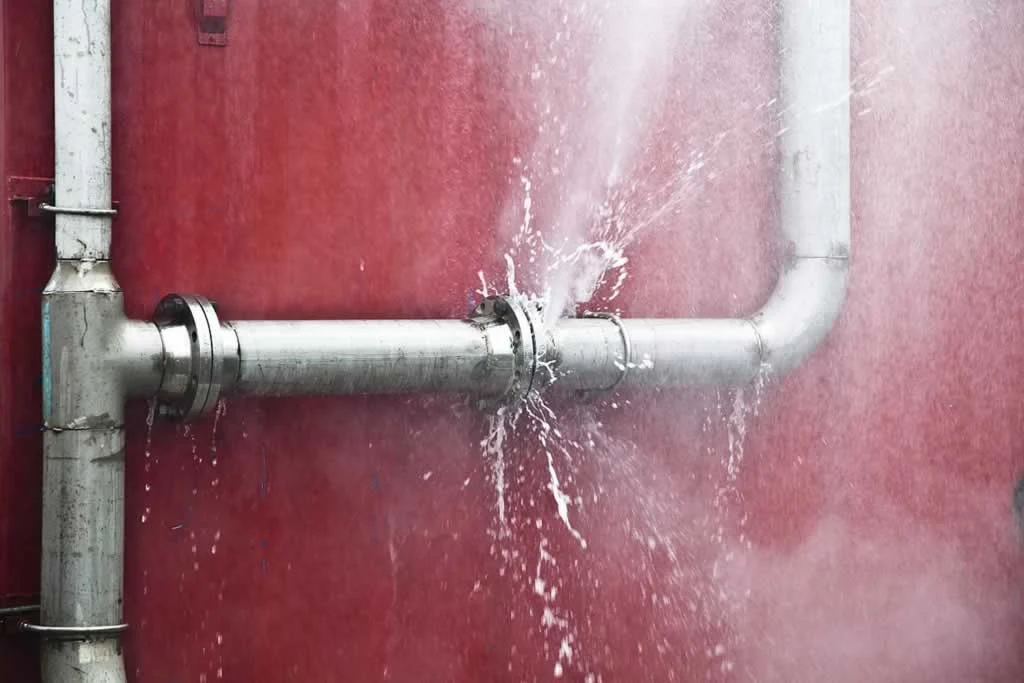
Step 4: Remove Safe Standing Water
While help is on the way, you can start if the area is safe. Grab towels, a mop, or a wet vac if you have one, and start pulling water off the floor.
Move furniture and valuables out of the wet zone whenever you’re able to do it without risk. A rug or a wooden table left sitting in water for hours often ends up worse off than the floor underneath it.
Why Drying Matters
Water rarely stays where it lands. It travels along baseboards, soaks into drywall, and works its way under flooring and carpet into rooms you didn’t even know were affected.
That’s why drying isn’t just running a fan and hoping for the best. Restoration crews use moisture meters and thermal imaging to find water you can’t see, then bring in dehumidifiers and air movers to pull it out. Drying logs track the progress so nobody has to guess when a wall is actually dry versus just looking dry.
Insurance Documentation
Plenty of burst pipe losses get covered by property insurance, but the claim usually goes smoother when there’s solid documentation behind it.
Photos of the damage, moisture readings, equipment logs, and a clear written scope of the affected areas all help. Insurance adjusters work faster with a paper trail than with a verbal description of “it was pretty bad.” Keeping records from day one, rather than trying to reconstruct them later, tends to make the whole process less stressful.
Emergency Burst Pipe Cleanup
Once the water’s off and the immediate danger is handled, the real work starts. This is where having a team that handles extraction, drying, and structural repair together makes a difference, since a burst pipe rarely stays a simple, one-step fix.
Masterpros offers 24/7 burst pipe cleanup, water extraction, structural drying, moisture detection, mold prevention, and reconstruction support across Hollywood, Fort Lauderdale, Miami, and the rest of South Florida. You can reach the team directly through https://masterpros.org/ for immediate help.
If a pipe bursts at your property, stop the water, stay safe, and get the structure dried out quickly. That combination does more to limit long-term damage than almost anything else you can do.
(305) 791-9248
FAQs
How fast does mold grow after a burst pipe?
Mold can start within 24 to 48 hours if the area stays wet, which is why quick drying matters more than people usually expect.
Can I just dry the area myself with fans?
Fans help with surface moisture, but they can’t reach water trapped inside walls or under flooring. That’s usually where hidden mold problems start.
Will my insurance cover a burst pipe?
Many policies cover sudden pipe bursts, though coverage details vary. Good documentation, photos, and a clear damage report make the claims process easier either way.
Do I need a plumber and a restoration company, or just one?
Usually both. A plumber repairs the actual pipe, while a restoration team handles the water damage left behind in the structure.
What’s the biggest mistake people make after a burst pipe?
Waiting. Even a short delay in shutting off the water or starting the drying process can turn a manageable cleanup into a much bigger repair.

I really appreciate the reminder to shut off the main water valve immediately when dealing with a burst pipe. It’s easy to panic in those situations, but knowing the first step really helps to minimize damage. I also find it useful to keep a water damage restoration checklist handy for these emergencies. It can make all the difference in keeping things organized and calm when time is of the essence. A helpful free resource I use for this is an emergency preparedness guide.