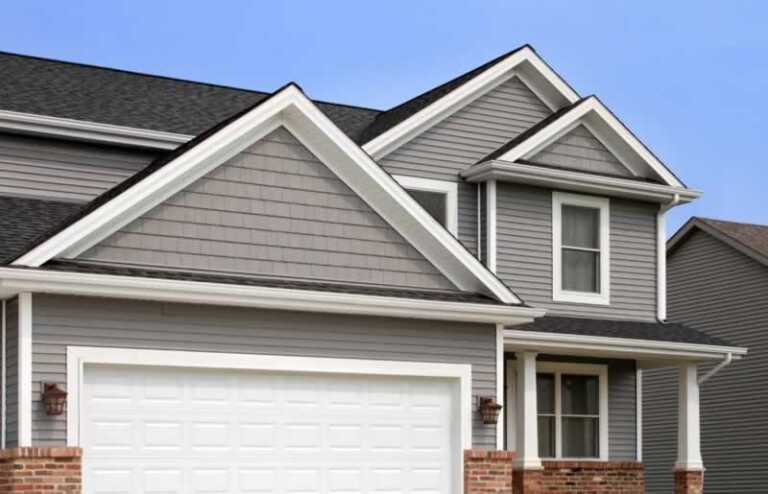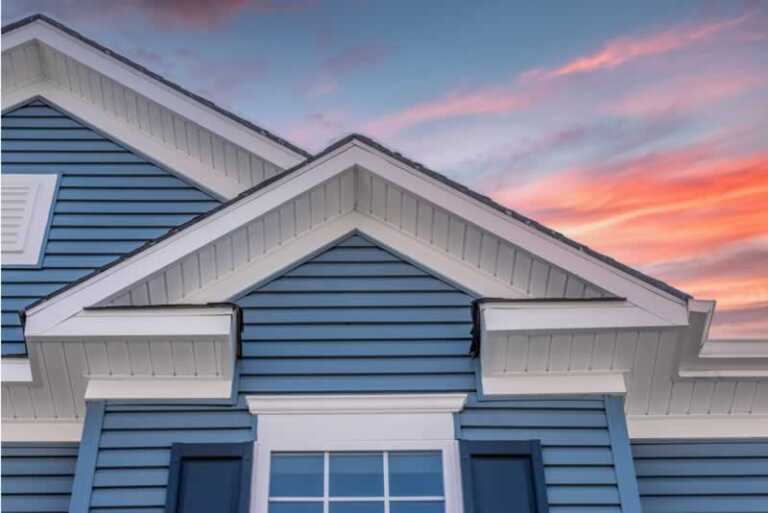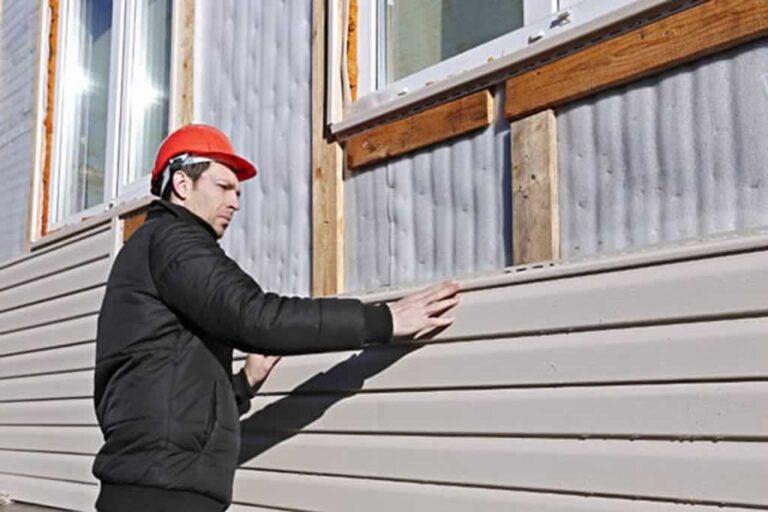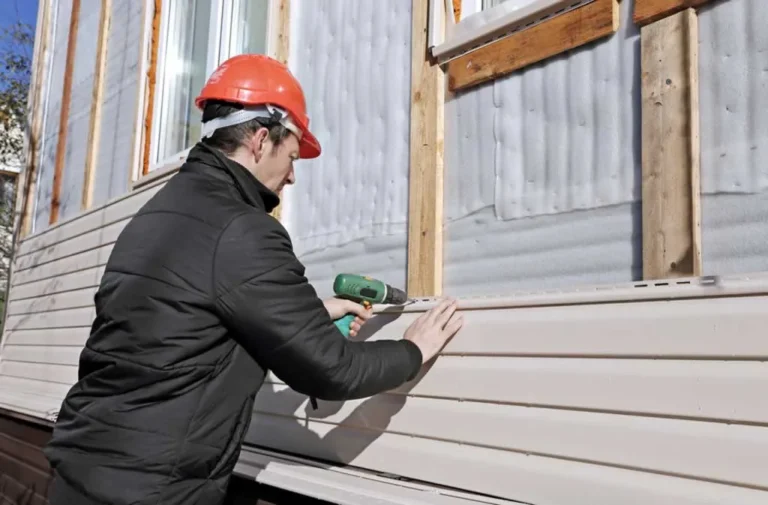

A home’s ability to withstand weather and external harm is greatly affected by its siding. Siding can keep the temperature stable, keep moisture out, and give the walls a tidy appearance. Siding may deteriorate, lose its form or begin to disintegrate over time. When the material stops functioning correctly it may be identified using basic indicators and routine inspections. Choosing to act early keeps a home safe, strong, and looking fresh.
Watch for Peeling or Bubbling Surfaces
Siding that begins to bubble or peel often indicates a problem underlying. When the exterior surface is unable to withstand heat or moisture these alterations often manifest. When water becomes trapped between the siding and the wall bubbles often develop in the material which may harm the wood below. The protective layer is eroding as paint or film peels. The siding weakens and begins to retain water as the top layer degrades which may lead to rot or mold growth. Patchwork or fresh paint often does not assist in this situation for very long. The surface breaks again, and more parts get exposed to the weather. Checking large wall areas, especially near the bottom edges and corners, helps catch problems early.

Look for Warped or Loose Panels
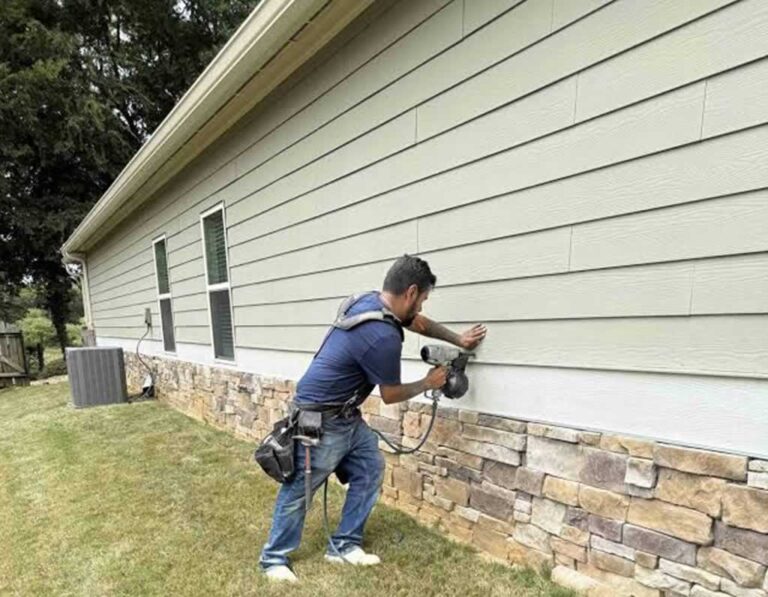
Warped or loose siding panels are a strong sign of structural wear. Panels cease providing uniform protection for the home when they are not flat against the wall. Boards may twist or come loose due to aged materials, moisture and heat. Insects, water and dirt may enter the wall via the gaps that begin to appear between the panels. Moreover faulty siding is prone to breaking in case of storms and floating in the wind. The damages tend to spread over time especially where there is excessive rain or heavy sunshine. Secure siding has to be even, strong and stationary even after years of use. Simple pressure from a hand press can test if panels feel soft, wobbly, or unstable. Replacing siding that warps or slips out of position helps stop further problems and keeps the home fully sealed and protected.
Notice Cracks, Chips, or Holes
Siding chips, cracks and holes may seem minor at first, but they often indicate more serious problems. Water and air may enter and exit via these indicators gradually weakening the wall. Gaps left by insects or falling item holes are often too large to be filled with sealants. Under pressure or wind cracked areas may continue to expand and shatter. Even minute cracks can trap moisture or dirt which then causes rotting or staining. Repainting broken parts does not solve the real problem. These signs often mean that the siding has lost its solid structure. Full removal and new siding can be the only way to restore full coverage.
Check for Mold, Fungi, or Stains
Water accumulation or inadequate airflow are often the cause of unusual stains, black spots or green streaks on siding. These signs tend to show that some moisture is being stored under or around the siding panels. Wet patches are prone to the formation of mold, mildew and fungi especially when the sunlight is blocked by shadow. This accumulation often covers wide areas impacting both the materials’ appearance and condition. While superficial stains may be removed with cleaning, deeper mold often forms beneath the boards or behind cracks. Repainting over stains does not stop the cause of the problem. Continuous growth shows that the siding cannot breathe or dry out properly anymore. Siding replacement Chicago helps remove the trapped moisture and provides a clean, fresh start with better protection and airflow.

Compare Energy Bills and Inside Comfort
Weak siding performance may be indicated by an abrupt shift in heating or cooling expenses. Siding loses its capacity to retain warm or cold air as it deteriorates or moves. Indoor temperatures may become more difficult to regulate, and the home may seem drafty. Siding improves the building’s overall seal and aids in insulation. The air system needs to work harder and interior comfort decreases when this layer cracks. High energy use indicates that outside air is entering particularly in the summer or winter. These holes may be filled and the house’s seal tightened with new siding. In addition to lowering energy expenses this measure facilitates indoor comfort.
Conclusion
Checking the shape, fit, and surface of siding helps protect the home from weather, wear, and added costs. Each sign, from warping to mold, gives a clear reason to explore better options. A full update can improve strength, comfort, and value all at once. Acting early with the right steps keeps the home looking good and working as it should.