

Replacing your home’s siding is one of the most significant exterior improvement projects you can undertake. Siding not only affects the appearance of your property but also plays a crucial role in protecting the home from weather, moisture, pests, and energy loss. While siding can last for many years, no material lasts forever. Understanding the replacement process can help homeowners make informed decisions that improve both the value and long-term durability of their property. Whether your siding is showing signs of wear or you are simply looking to modernize your home’s appearance, proper planning can make the project much more successful. Knowing what to expect before work begins often helps reduce stress and avoid costly mistakes.
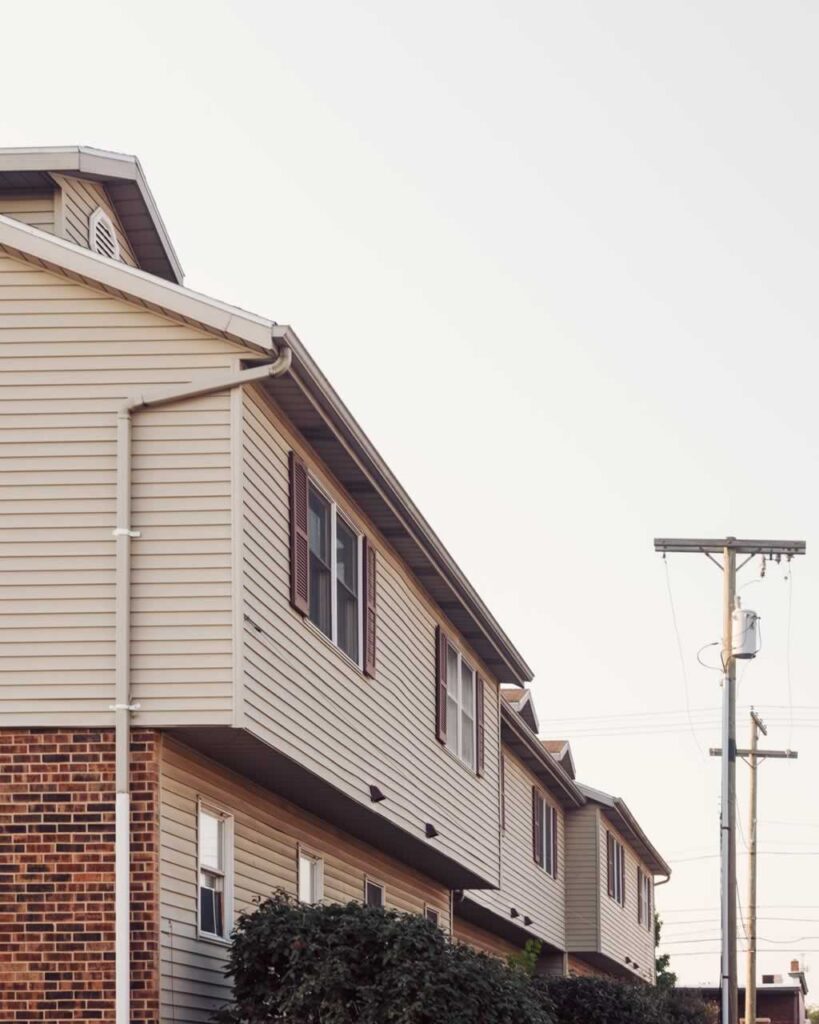
Understand Why Siding Matters
Siding serves as the first line of defense between your home and the outside environment. It helps prevent moisture intrusion, protects structural components, and contributes to overall energy efficiency. Quality siding can also enhance curb appeal and increase property value. When siding begins to fail, it may expose the home to more serious issues such as mold, rot, and structural damage. Replacing deteriorated siding helps maintain the home’s integrity and appearance. Homeowners should view siding as an important protective investment rather than simply an aesthetic feature.
Recognize When Replacement Is Necessary
Many homeowners wonder whether damaged siding should be repaired or replaced entirely. In some cases, isolated damage can be fixed without replacing the entire system. However, widespread cracking, warping, rot, moisture damage, or fading often indicates that replacement may be the better long-term solution. Frequent maintenance and recurring repairs are additional signs that aging siding may no longer be performing effectively. Understanding these warning signs helps homeowners address problems before they become more expensive. Early action can help prevent additional damage to the property.
Explore Available Siding Materials
Modern homeowners have access to a wide range of siding materials. Vinyl siding remains popular because of its affordability and low maintenance requirements. Fiber cement offers durability and resistance to weather and pests. Engineered wood products provide a traditional appearance with improved performance characteristics. Metal siding is also used in certain applications due to its longevity and resilience. Each material offers different benefits, maintenance needs, and costs. Carefully evaluating options helps ensure the chosen material aligns with both budget and long-term goals.
Consider Energy Efficiency Benefits
New siding can contribute to improved energy efficiency, particularly when paired with updated insulation and moisture barriers. Older siding systems may allow drafts and heat transfer that increase heating and cooling costs. Modern products are often designed to improve thermal performance while enhancing overall protection. Better energy efficiency can create a more comfortable indoor environment throughout the year. Many homeowners appreciate the long-term savings associated with reduced utility expenses. Energy performance should be one of the factors considered when selecting replacement siding.
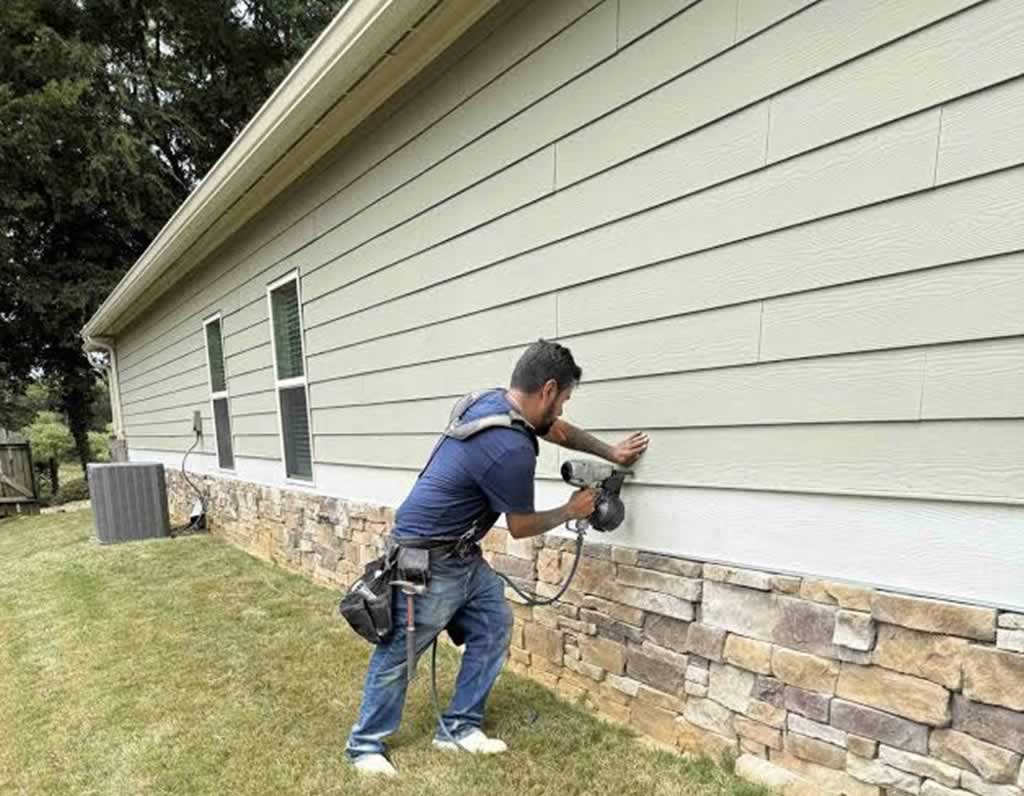
Budget For The Entire Project
Siding replacement costs can vary based on material selection, home size, labor requirements, and the condition of the existing exterior. Homeowners should develop a realistic budget that accounts for both expected expenses and potential surprises. In some situations, hidden damage may be discovered once existing siding is removed. Having a financial cushion available can help address unexpected repairs without disrupting the project. Careful budgeting supports a smoother and more predictable renovation experience.
Choose Qualified Professionals
The quality of installation is just as important as the quality of the siding itself. Even premium materials may fail prematurely if they are installed incorrectly. Many homeowners work with siding contractors in Wichita, KS to evaluate material options, assess the condition of the existing exterior, and ensure proper installation. Experienced professionals can also identify underlying issues that should be addressed before new siding is installed. Choosing qualified installers helps protect the investment and improve long-term performance.
Understand The Installation Process
Replacing siding typically begins with removing the existing exterior materials. Once removed, the underlying structure is inspected for signs of damage, moisture intrusion, or other concerns. Necessary repairs are completed before new moisture barriers, insulation, and siding materials are installed. Depending on the size and complexity of the project, installation may take several days or longer. Understanding the process helps homeowners prepare for temporary disruptions. Clear communication with contractors can help establish realistic expectations.
Think About Long-Term Maintenance
Different siding materials require different levels of maintenance. Some options need periodic painting or sealing, while others require little more than occasional cleaning. Homeowners should consider ongoing maintenance requirements when selecting new siding. Understanding these responsibilities helps prevent future surprises and supports smarter decision-making. Choosing a material that matches your lifestyle and maintenance preferences can create greater long-term satisfaction. Low-maintenance options are often appealing for busy homeowners.
Look At The Long-Term Value
While siding replacement requires a substantial investment, it often delivers benefits that extend well beyond improved appearance. New siding can enhance property value, improve energy efficiency, reduce maintenance needs, and provide stronger protection against weather-related damage. The project may also make the home more attractive to future buyers. Evaluating long-term value rather than focusing solely on upfront costs often leads to better decisions. Quality siding can provide benefits for decades when installed and maintained properly.
Conclusion
Replacing siding is an important home improvement project that affects both the appearance and performance of a property. By understanding available materials, budgeting carefully, choosing experienced professionals, and planning for long-term maintenance, homeowners can make informed decisions that protect their investment. A properly executed siding replacement project can improve curb appeal, energy efficiency, and overall property durability while providing peace of mind for years to come.


Solid overview. Siding is where a proper takeoff pays off: it’s priced by the square, and the waste factor shifts with profile, corners, and openings. Homeowners budget the panels but forget housewrap, trim, flashing, fasteners, and disposal, which add 25-30%. Catching moisture damage early keeps a siding job from becoming a structural one, something Estimate Services (estimateservices.us) catches.