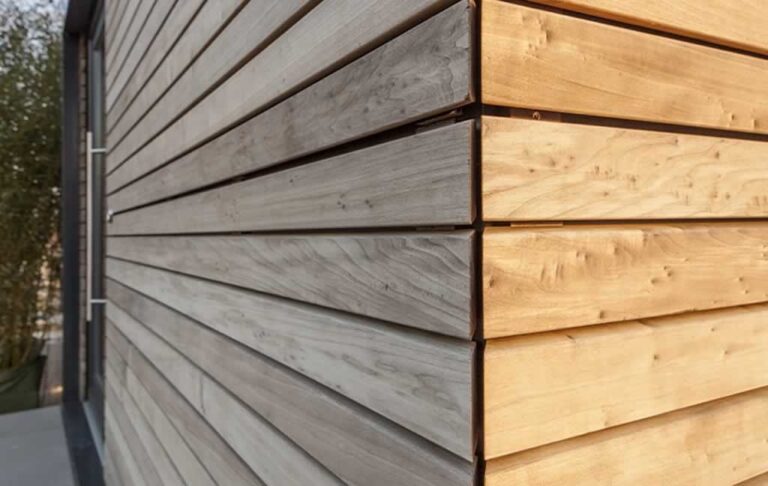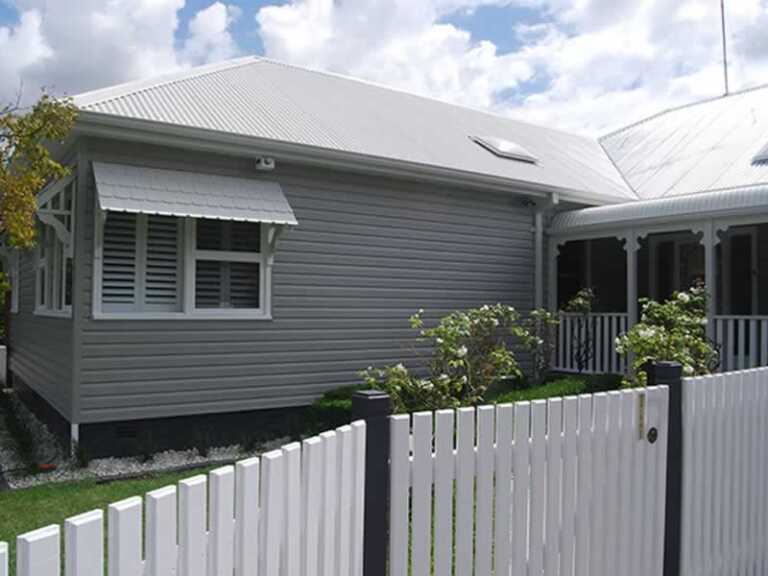

The appropriate siding changes the appearance of a house and adds long-term protection, durability, and beauty. Apart from improving exterior appearance, well-installed siding protects your house from weather damage. Selecting a design that strikes a mix between style and utility will have long-lasting effects and raise property value. A perfect outcome requires exacting results, which depend on good technique and accuracy. Following the right procedure can help you to make sure your siding is aesthetically pleasing, strong, and weather-resistant for many years to come.
Preparing the Exterior Surface for a Strong Foundation
A clean and stable surface forms the foundation for a long-lasting siding installation. To stop structural flaws, any old or damaged component needs to be eliminated. Examining the walls for warping, rot, or moisture problems guarantees a strong basis for the new siding. A flat surface eliminates misalignment or gaps, therefore guaranteeing a flawless installation. Before the siding is installed, a barrier resistant to the elements provides extra protection. This layer helps to boost insulation and stops moisture penetration, maintaining the home’s energy efficiency.

Measuring and Cutting Boards for a Precise Fit
Precise measurements guarantee perfect fit and help to avoid misalignment of the boards. Every board must be cut to match the particular wall measurements, enabling consistent spacing and a consistent look. Little gaps at the top and bottom of every board allow for expansion and contraction brought on by temperature fluctuations. To simplify the installation procedure, every board should be arranged and labeled.
Securing the Boards and Battens for Lasting Durability
Attaching the boards to the ready surface calls for sturdy, weather-resistant fasteners. Every board has to be properly fastened without overdriving nails to prevent splitting or cracking. Rust resistance offered by stainless steel or galvanized nails guarantees that the siding remains for many years. Starting from one corner and working systematically over the wall produces a balanced, equal installation. The battens are laid to cover the gaps between the boards after they are in place. This overlapping design produces a unique pattern and offers extra moisture intrusion prevention.
Applying a Protective Finish for Enhanced Longevity
A high-quality finish increases the longevity of the siding while also adding aesthetic value. Choosing an exterior-grade paint or stain meant for wood or composite products offers strength and weather resistance. Applying a primer before painting improves adherence, preventing over time fading or peeling. Stains accentuate the natural wood grain and give a classic, rustic look that complements many architectural styles. Board and batten siding requires regular maintenance, including touch-up applications, to maintain its appearance. Sealing exposed edges and guaranteeing a smooth, even application of paint or stain reduces moisture absorption. Choosing UV-resistant coatings keeps the color vibrant and prevents premature fading due to sun exposure.

Maintaining and Inspecting for Long-Term Performance
Years of regular upkeep help the siding to remain in the best shape. Before major damage results, periodic inspections find any loose boards, cracks, or moisture-related problems. Mild detergent and water clean the siding to eliminate dirt, preventing discoloration and mildew development. By looking for holes or warping, you can make sure the siding stays securely.
Conclusion
Precision and careful installation of siding improve the appearance and lifetime of a house. Strong and aesthetically pleasing installation depends on a well-prepared surface, accurate dimensions, safe fastening, and a protective finish. Every stage of the process helps to build a building capable of resisting weather damage, preserving its visual attractiveness, and offering a long-lasting defense.