

Most Phoenix Valley homeowners think about their water heater exactly twice: when they move in and when it stops working. The desert climate puts unique stress on water heaters, from hard mineral-heavy water to extreme temperature swings. Penguin Air, Plumbing & Electrical, serving the Greater Phoenix area since 2011, has seen how a simple seasonal routine can add years to a water heater’s life. Units that fail early almost always belong to homeowners who never flushed the tank.
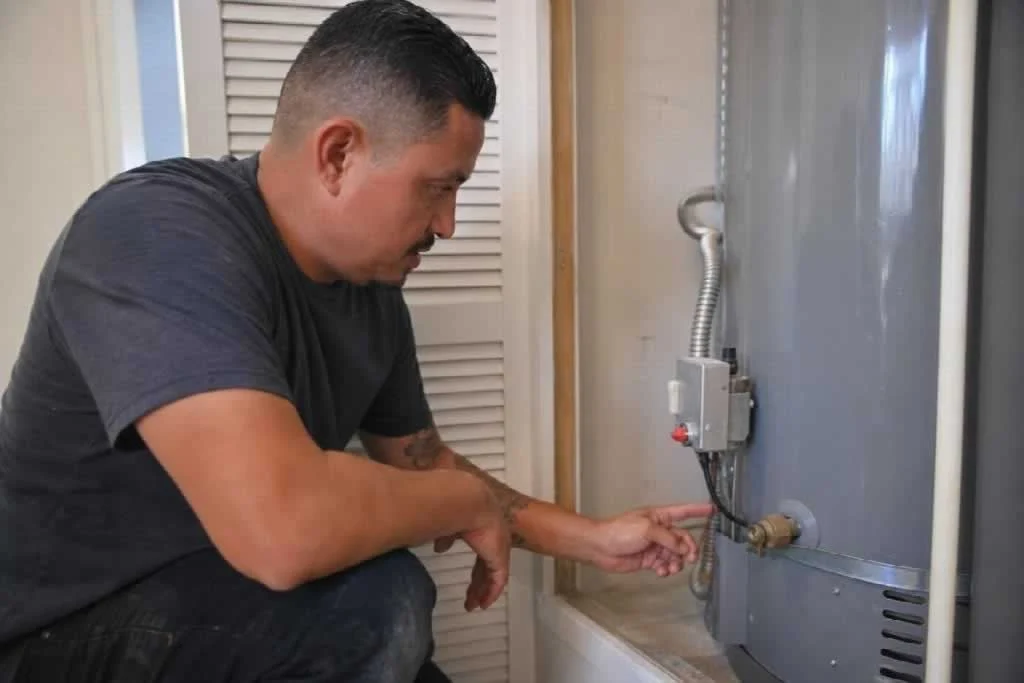
Why Phoenix Homeowners Skip Water Heater Maintenance (And Why That’s a Mistake)
Phoenix homeowners skip water heater maintenance primarily because the unit works silently until it fails. Maricopa County’s 200 to 300 ppm hard water makes neglect far more costly here than in most U.S. cities.
That mineral content is among the highest in the United States. It settles at the tank bottom as sediment, insulating the burner and forcing the unit to run longer and hotter, raising energy bills and shortening tank life. Older Central Phoenix homes are often found with two to three inches of hardened calcium scale on the burner plate. Uninsulated garages reaching 130 to 140°F in summer add further stress on fittings most manufacturers never designed for.
The Seasonal Water Heater Maintenance Schedule: What to Do and When
Every Month: Quick Visual Check
This takes about two minutes. Look for:
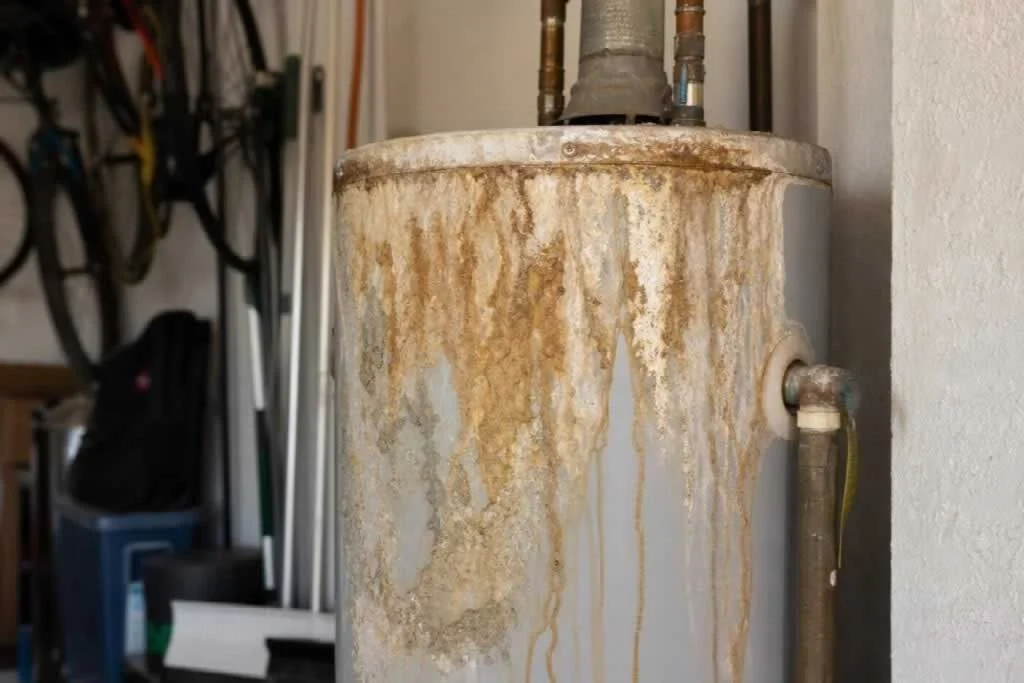
- Moisture, rust stains, or white mineral crust at the base of the tank
- Corrosion at the inlet and outlet pipe connections
- Mineral buildup on the pressure relief valve discharge pipe
A crusty discharge pipe, common in the Gilbert and Mesa areas, means the T&P valve is weeping from high pressure and needs attention. Extreme garage heat speeds corrosion at every threaded connection, so a monthly glance catches small issues early.
Every 6 Months: Flush the Tank (or Check the Filter on Tankless Units)
High mineral load means sediment collects faster here than almost anywhere in the country. A tank flush is not optional in the Valley.
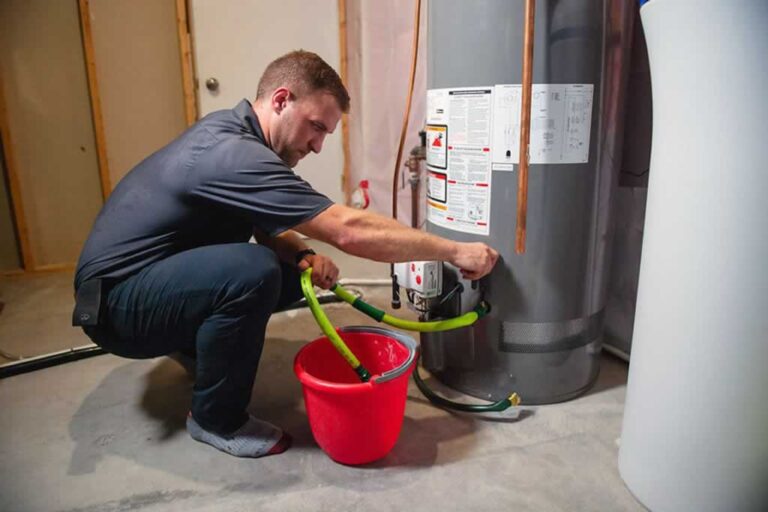
- Set the unit to pilot or vacation mode and let it cool slightly.
- Connect a garden hose to the drain valve at the base of the tank.
- Run water out until it flows clear with no grit or discoloration.
- Close the valve, disconnect the hose, and restore normal settings.
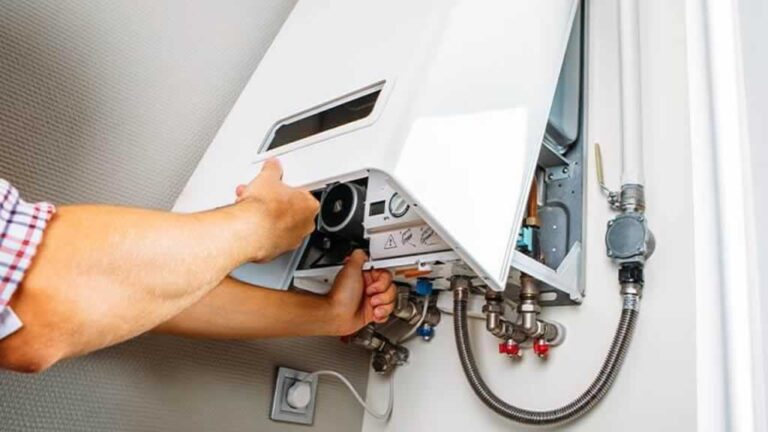
For tankless units, clean the inlet filter screen every six months and run a descaling flush with white vinegar or a commercial kit once a year. Hard water debris clogs the heat exchanger and drops flow rate noticeably, a growing concern in newer construction in Queen Creek and Peoria.
Once a Year: Test the Pressure Relief Valve and Inspect the Anode Rod
Lift the T&P valve lever briefly. It should release water and reseat cleanly. A valve that drips afterward or feels sticky needs immediate replacement.
The anode rod is a sacrificial magnesium or aluminum rod that corrodes so the tank walls do not. Checking it requires a 1-1/16 inch socket wrench. If the rod is less than half an inch thick or coated in calcium, replace it. Arizona’s mineral-heavy water depletes these rods faster than the national average, making annual inspection more important than the manufacturer’s manual suggests.
Every 3 to 5 Years: Anode Rod Replacement
A new anode rod costs $20 to $50 in parts; professional replacement typically runs $75 to $150, far less than a full tank replacement at $800 to $1,500 or more installed, once permit fees, disposal, and code-required expansion tank upgrades are factored in. Arizona’s mineral load accelerates rod depletion, so plan on replacement every three years rather than the national guideline of five. Water heater maintenance from Penguin Air, Plumbing & Electrical covers anode rod inspection and replacement as part of an annual service visit.
What a Professional Water Heater Service Covers in Phoenix
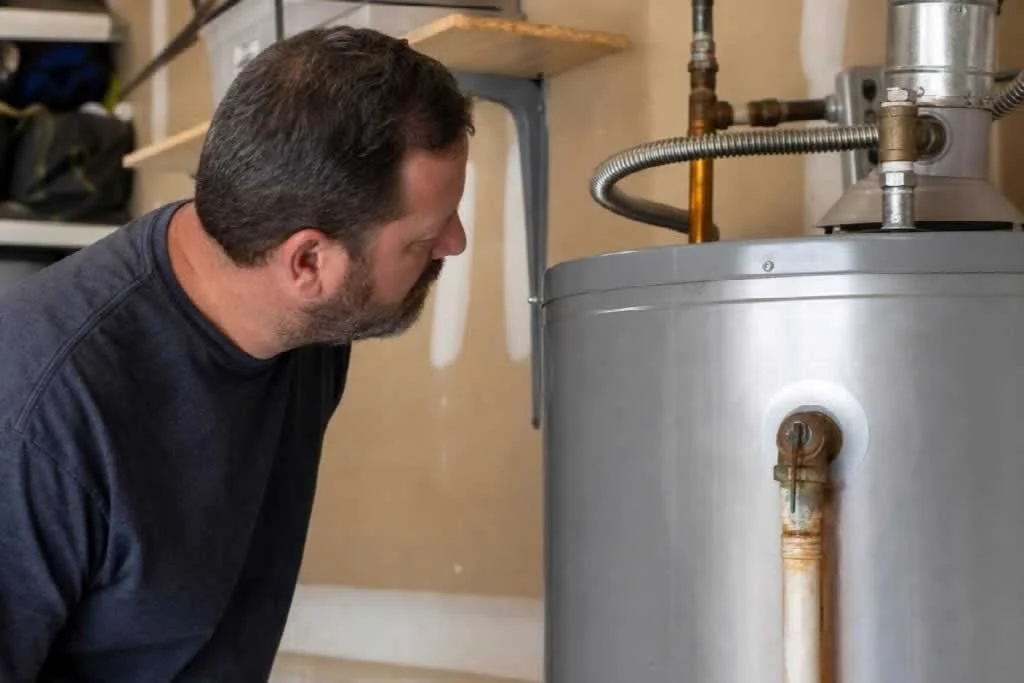
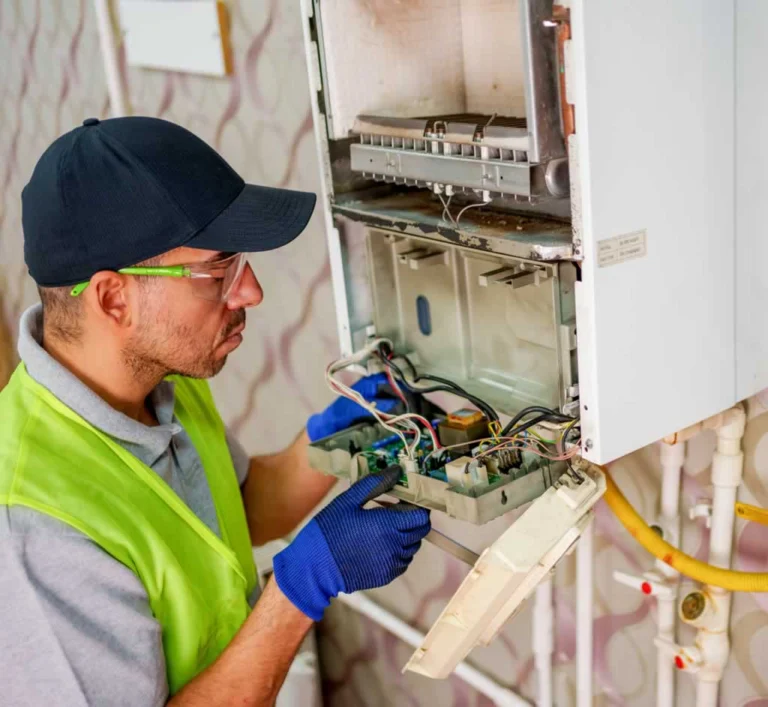
Local knowledge changes how water heaters get serviced. A technician familiar with Maricopa County water checks whether a whole-home softener would slow scale buildup, confirms garage venting can handle summer heat, and verifies the T&P discharge line meets Phoenix code. The company covers HVAC, plumbing, and electrical work under one roof, which is useful when a water heater issue turns out to be an electrical or gas supply concern.
Frequently Asked Questions
How Long Does a Professional Water Heater Inspection Take?
A standard inspection typically takes 45 to 90 minutes depending on unit type and condition. Tankless units may take slightly longer due to additional filter, heat exchanger, and flow sensor checks. Same-day component replacement can add time.
Is It Safe to Flush My Own Water Heater Tank Without a Plumber?
DIY flushing is possible but carries real risks on older or neglected units. Sediment can clog the drain valve, leaving it unable to close fully. If the water heater is more than five years old and has never been flushed, starting with a licensed professional is the safer choice.
What Is the Average Lifespan of a Water Heater in Phoenix?
Phoenix’s hard water accelerates wear, so tank-style units often last only 8 to 10 years versus the national average of 10 to 12. Tankless units can last 15 to 20 years with consistent filter and scale maintenance. A regular maintenance schedule is one of the most effective ways to maximize unit life.
Will Homeowners Insurance Cover a Water Heater That Fails from Lack of Maintenance?
Most policies exclude damage caused by neglect or gradual deterioration, so a failure tied to skipped maintenance is often not covered. Sudden accidental damage may still qualify depending on the policy. Keeping records of annual inspections from a licensed plumber can support a claim if a covered incident occurs.
Can Hard Water in Phoenix Void My Water Heater Warranty?
Some manufacturers reduce warranty coverage if scale buildup causes damage and the homeowner cannot show proof of regular maintenance. Phoenix sits in one of the hardest water regions in the country. Installing a water softener or scheduling more frequent descaling can protect both the unit and warranty standing.
How Do I Know If My Water Heater Is About to Fail Before It Actually Does?
Warning signs include rumbling or popping during heating cycles, rusty or discolored hot water, slower recovery between uses, moisture near the tank base, and a sulfur or rotten egg smell indicating bacterial growth. A licensed technician can assess these symptoms and advise whether repair or replacement makes more financial sense.
Does Penguin Air, Plumbing & Electrical Service Both Tank and Tankless Water Heaters?
Yes. Tankless maintenance differs significantly from tank maintenance, involving heat exchanger descaling, inline filter cleaning or replacement, and gas or electrical connection checks depending on the model. Scheduling the correct service type ensures the work is done properly and does not inadvertently void the manufacturer warranty.
About Penguin Air, Plumbing & Electrical
Penguin Air, Plumbing & Electrical has served Greater Phoenix homeowners since 2011, covering HVAC, plumbing, and electrical work under one company. The team offers flat-rate pricing, background-checked technicians, and same-day availability across the Phoenix Metro Area, including Chandler, Gilbert, Tempe, and Scottsdale. The company is located at 3710 East University Dr Suite 1, Phoenix, AZ 85034, holds a BBB A+ rating, and has maintained BBB Accreditation since 2011.
Business Name: Penguin Air, Plumbing & Electrical
Address: 3710 E University Dr # 1, Phoenix, AZ 85034
Phone Number: (480) 525-5400


I never realized how much the desert climate affects water heaters until reading this! The point about flushing the tank regularly really resonates with me since it sounds like such a simple step to prolong the life of my unit. I’ll definitely be adding that to my seasonal maintenance checklist. I also keep a maintenance calendar to help me stay on track with these tasks.
I never realized how much the desert climate can impact my water heater until I read this. The idea of a seasonal maintenance routine really makes sense, especially flushing the tank to prevent mineral buildup. It’s a small effort that could save so much hassle down the line! I’ve started using a helpful free resource that keeps me on track with these maintenance tasks.