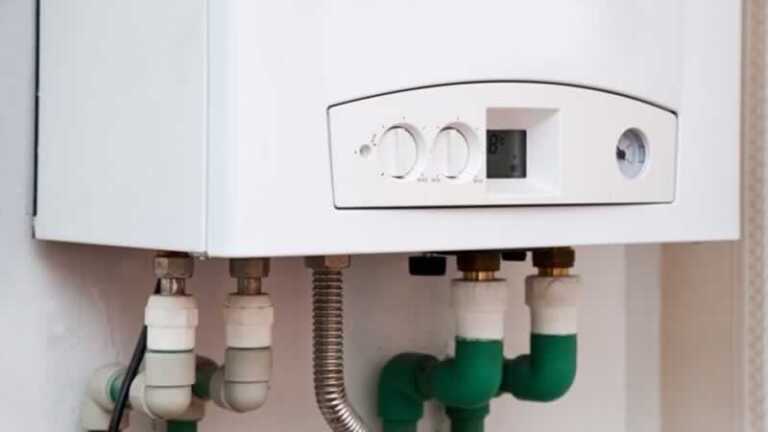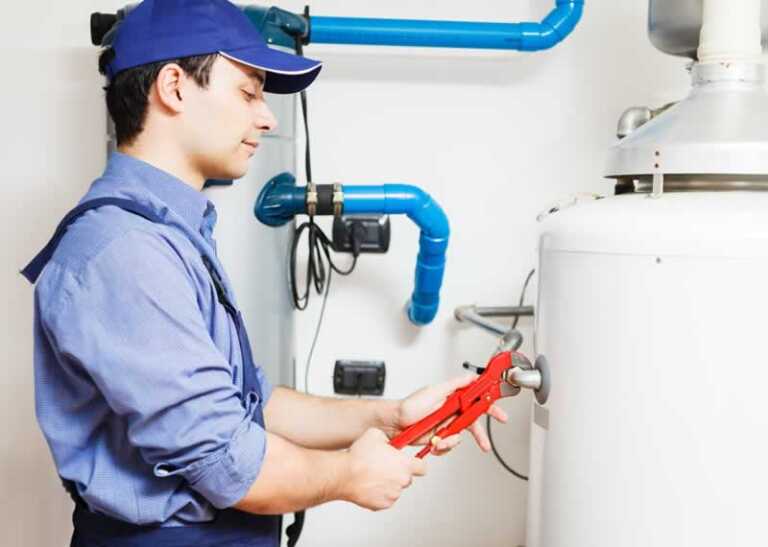

For property owners, water heater maintenance should never be overlooked. Consistent upkeep ensures your water heater operates efficiently and lasts as long as possible. One maintenance task that often gets neglected is draining the tank, an essential process for removing sediment that collects over time.
But how long does it really take to drain a water heater, and why is this task so important? The licensed team at Drain Pro Plumbing & Septic, a well-established Kent plumber, shares their expert advice.
Why Draining Your Water Heater Matters
Every water heater, whether in a home or business, is susceptible to mineral and debris accumulation, particularly in areas with hard water. This naturally produced sediment settles along the tank bottom, often creating a thick layer of buildup that affects your water heater in several ways:
- Reduced Efficiency: Sediment acts as an insulator around the heating element, making it harder for the system to heat water and increasing energy costs.
- Shorter Lifespan: Overheating due to sediment can stress the tank, leading to leaks or early failure.
- Foul Smells: Water left stagnant in an unmaintained tank can start to smell, affecting the taste and odor of your water.
- Higher Risk of Malfunction: Over time, sediment buildup can even cause the tank to rust, crack, or fail completely.
Routine draining (every 6 – 12 months) is highly recommended by Drain Pro Plumbing & Septic to keep your water heater operating smoothly and to help avoid costly repairs or early replacement.

How Long Does It Take to Drain a Water Heater?
The time required to drain a water heater can differ based on multiple factors including tank size, water pressure, sediment amount, and accessibility. Industry experience indicates a typical drain time ranges from 30 minutes to 2 hours. Here’s what affects the timing:
1. Tank Size
Smaller residential tanks (e.g., 40 gallons): Usually drain in about 30 – 45 minutes.
Average residential or light commercial tanks (e.g., 50 gallons): Generally take 45 minutes to 1 hour.
Larger commercial tanks (e.g., 75 – 80 gallons): Can take up to 2 hours.
The more water that needs to be drained, the longer the process will take.
2. Water Pressure
Water pressure in your home or business significantly impacts how quickly the tank empties. Higher pressure allows for a faster drain, while lower water pressure means the operation will take longer, especially if relying on gravity to move water from the tank.
3. Sediment Buildup
If your tank contains a lot of sediment, this can restrict the flow through the drain valve. In some cases, several flushes might be needed to fully remove debris, extending the job but ultimately improving performance. In rare situations, the drain valve can clog and require professional attention.
4. Accessibility of the Drain Valve
If your water heater is installed in a tight or awkward area, reaching the drain valve may be more difficult, adding complexity and time to the process.
5. Cleaning the Heating Elements
If maintenance involves removing, inspecting, and cleaning heating elements or other internal components, the process will take a bit longer, but is often worth the effort for ongoing reliability.
Step-by-Step Water Heater Draining Process
For those interested in what’s involved, Drain Pro Plumbing & Septic outlines the following steps for safely draining a water heater:
- Power and Water Shut-Off
- Electric heaters: Turn off the power at the breaker panel.
- Gas heaters: Switch the gas valve to the “Off” position.
- Shut off the water supply to the heater.
- Connecting the Drain Hose
- Attach a garden hose to the drain valve (located at the tank’s base)
- Be sure the hose leads to a suitable drain or outdoor area.
- Draining the Water
- Slowly open the drain valve and let water flow out.
- Watch for any slowdowns (this can indicate a sediment blockage)
- Flushing the Tank (Optional but Recommended)
- Once the tank is empty, briefly turn on the cold water supply with the drain valve open to help clear out any residual sediment.
- Closing the System and Refilling
- When finished, securely close the drain valve.
- Remove the hose, and reopen the cold water supply to refill the tank.
- Restoring Power or Gas
- After the tank is full, restore power or turn the gas back on.

Is This a DIY Job or Should You Call a Pro?
While some DIY enthusiasts attempt to drain their water heaters themselves, many prefer the reassurance and safety that comes with a trained professional. Complex systems, stuck valves, and stubborn sediment are common issues that can be solved quickly by an experienced Kent plumber.
Drain Pro Plumbing & Septic offers expert water heater maintenance to residential and commercial customers in the Kent, WA area and beyond. Their techs can handle draining, flushing, replacement, and repairs, ensuring the job is thorough and your system is left in top condition.
Protect Your Investment, Trust the Pros
Regular water heater draining is a small investment of time and effort that can deliver significant energy savings, improved performance, and extended equipment lifespan. If you’d like to schedule a water heater service, troubleshoot an issue, or simply ask questions, turn to the experts at Drain Pro Plumbing & Septic.
Don’t wait for a costly breakdown; let a trusted Kent plumber handle water heater maintenance and keep your system running smoothly, year after year.