
A new roof is one of the biggest purchases you will ever make on your home. Done right, it protects everything under it for 25 years or more. Done wrong, it becomes a source of leaks, warranty disputes, and expensive do-overs. The difference between those two outcomes is rarely luck. It comes down to what you know before the crew ever shows up. Whether you are replacing a worn-out roof or planning a roof installation on a new build, the decisions you make in the planning stage matter more than anything that happens on installation day.
I have talked with a lot of homeowners over the years who wished they had understood the process better before signing a contract. So here is the guide I wish every homeowner read first. No sales talk, just the things that actually affect how your project turns out.
Start With an Honest Look at Your Current Roof
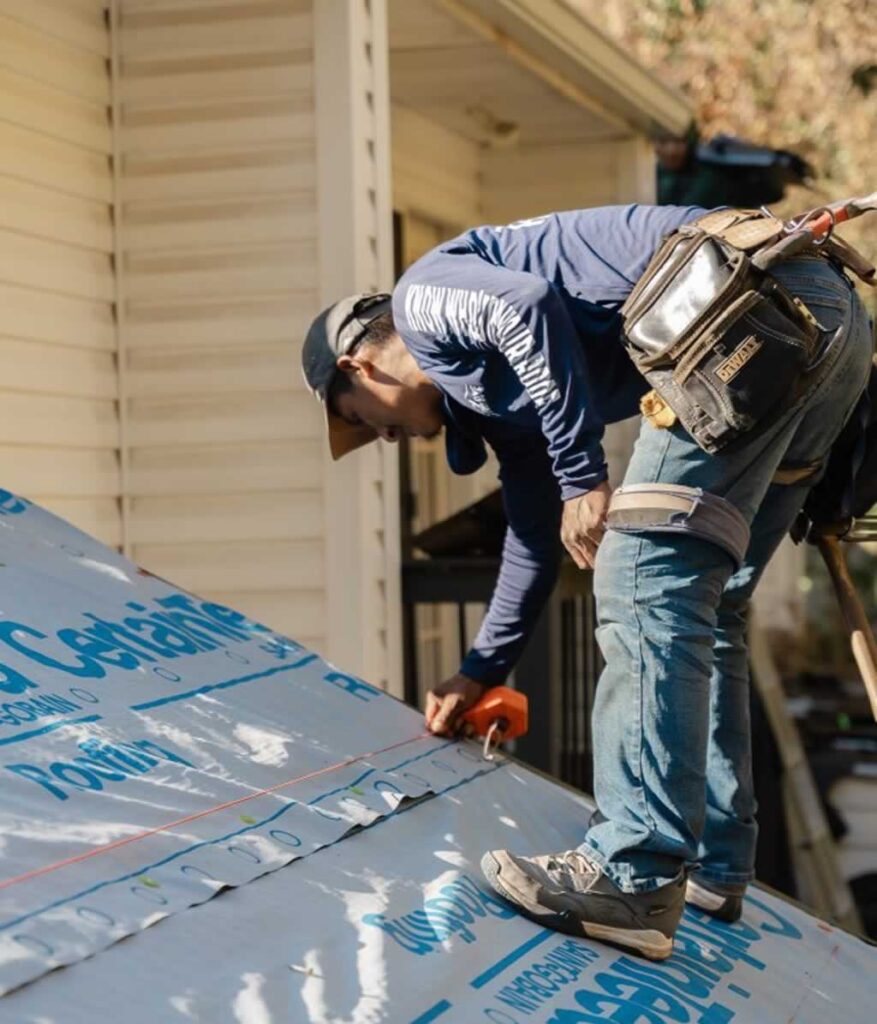
Before you shop for anything, figure out what you are working with. If your existing roof is 15 to 20 years old with curling shingles, bald spots where granules have washed away, or stains on the ceiling below the attic, replacement is probably the right call. If the roof is younger and the problem is one damaged section or a few missing shingles after a storm, a repair might buy you several more years.
Get up in the attic with a flashlight before you call anyone. Look for daylight coming through the roof deck, water stains on the rafters, and damp insulation. What you find there will tell you more about your roof’s real condition than anything visible from the driveway.
Choosing Your Roofing Material
This is the decision with the biggest impact on cost, lifespan, and appearance. Here is the honest rundown of the main options.
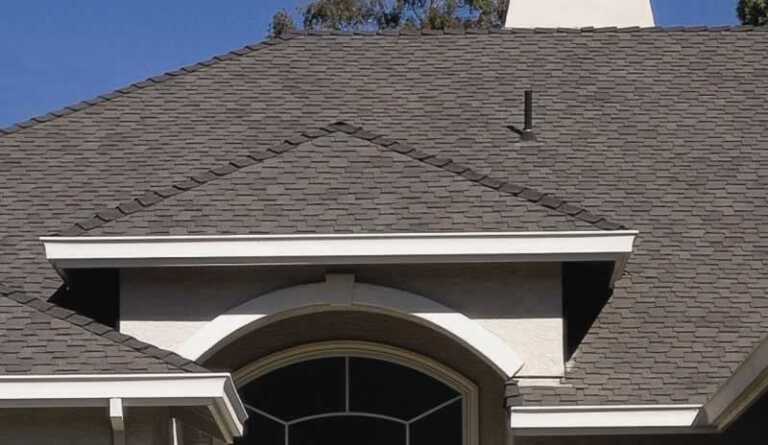
Asphalt shingles remain the most popular choice in the country for good reason. They are affordable, widely available, and a quality architectural shingle will last 20 to 30 years. They install quickly and repairs are simple. If you are on a budget or plan to sell within a decade, asphalt is hard to beat.
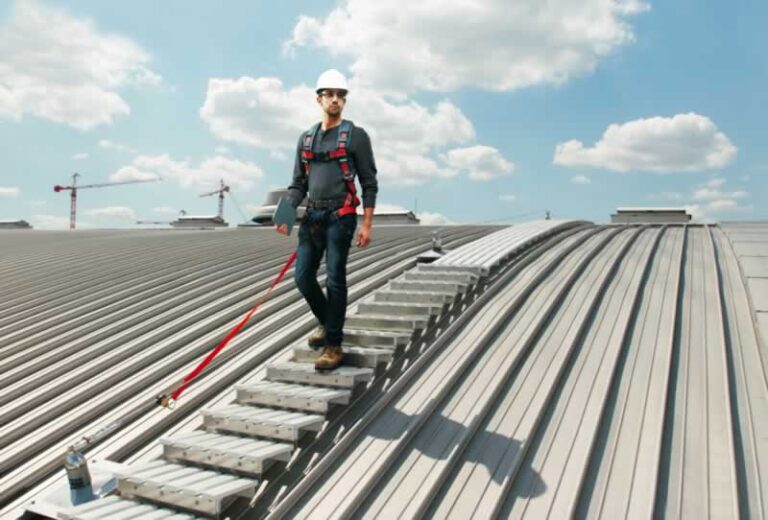
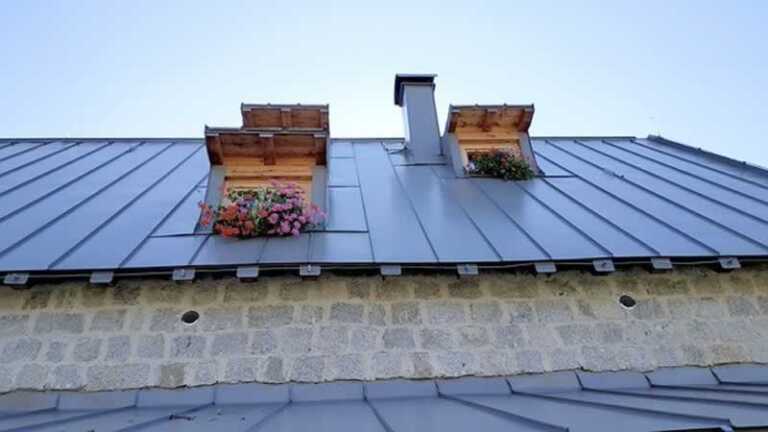
Metal roofing costs more upfront but lasts 40 to 70 years, sheds snow easily, and stands up to high wind and hail better than most materials. It has become popular in areas prone to severe weather, and some insurers offer premium discounts for it.
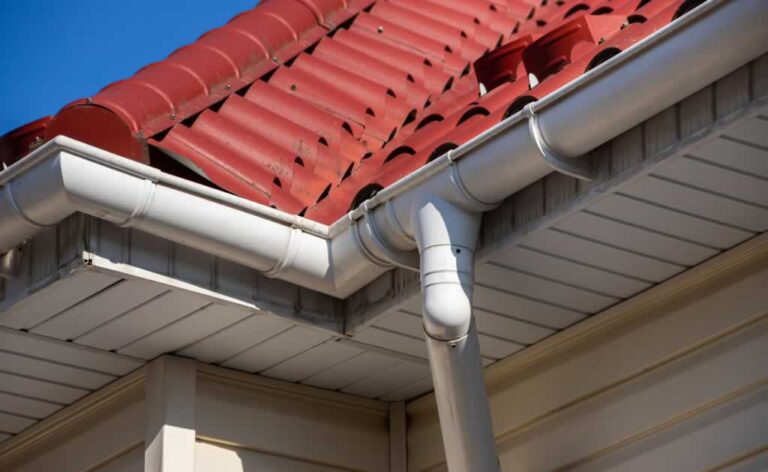
Clay and concrete tile deliver exceptional longevity and a distinctive look, but they are heavy. Your home’s framing may need reinforcement to carry the load, which adds cost and complexity. They shine in hot climates and on homes where the architecture calls for them.
Slate is the premium option, with some roofs lasting a century. It is expensive, heavy, and requires an experienced installer. Most homeowners weigh it and choose something else, but for the right house it is a lifetime roof.
Synthetic and composite materials imitate slate or wood at a fraction of the weight and cost. Quality varies quite a bit between brands, so research warranties carefully.
One practical tip: pick a material that fits your neighborhood. A 70-year-old slate roof on a street full of asphalt shingle homes is money you will not get back at resale.
The Quote: What Should Be In It
When you collect bids, and you should collect at least three, compare them line by line. A proper quote should spell out:
- The exact material brand and product line, not just “architectural shingles”
- Whether the old roof is coming off completely or being covered over
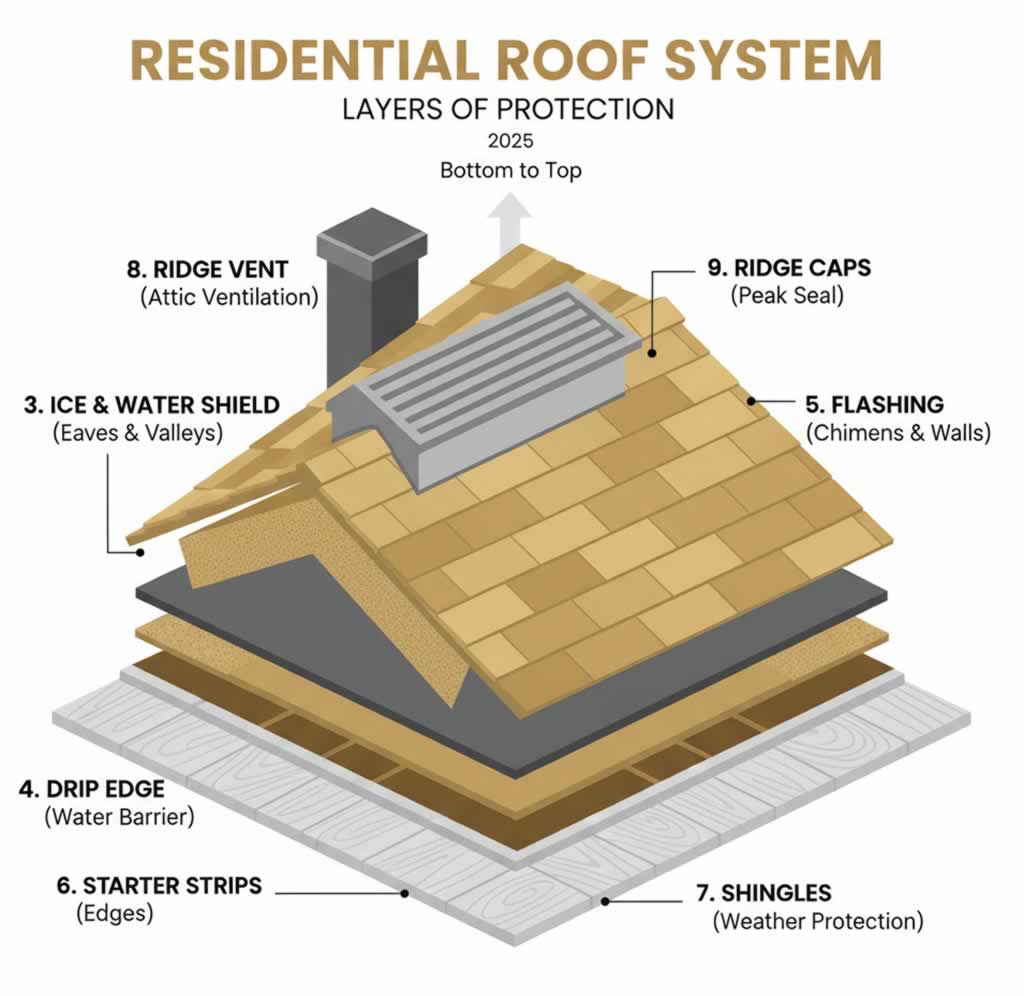
- The type of underlayment and ice-and-water shield being used
- Flashing work: new flashing or reused, and where it goes
- Ventilation changes, if any
- Decking repair terms, usually priced per sheet of plywood replaced
- Cleanup and debris disposal
- Warranty terms for both materials and labor
Be suspicious of any quote that is dramatically lower than the others. It usually means corners are being cut somewhere you cannot see, like skipping the ice-and-water shield in valleys or reusing old flashing. The cheapest roof is almost never the cheapest roof.
Tear-Off or Overlay?
Some contractors offer to install new shingles directly over the old ones. It saves money and time, and in some climates it is an accepted practice. But understand the trade-offs. A second layer adds weight, traps heat that shortens shingle life, and hides problems in the deck below. If there is any soft decking, you will not find it until it becomes a leak.
A full tear-off costs more, but it lets the crew inspect and repair the deck, install fresh underlayment, and flash everything properly. For a roof you expect to last 25 years, the tear-off is worth it in most cases.
Ventilation: The Part Nobody Sees
Here is something most homeowners never think about, yet it causes a huge share of premature roof failures. Attic ventilation matters as much as the shingles themselves.
A properly ventilated attic lets hot, moist air escape through ridge or static vents while cooler air enters at the soffits. Without that airflow, heat builds up under the roof deck in summer and bakes the shingles from below. In winter, warm attic air melts snow on the roof, which refreezes at the cold edges and creates ice dams that push water under the shingles.
If your contractor never mentions ventilation during the estimate, ask about it directly. A good installer will calculate the intake and exhaust balance for your attic size. This is one of the clearest signals that you are dealing with a professional rather than a crew that just nails shingles.
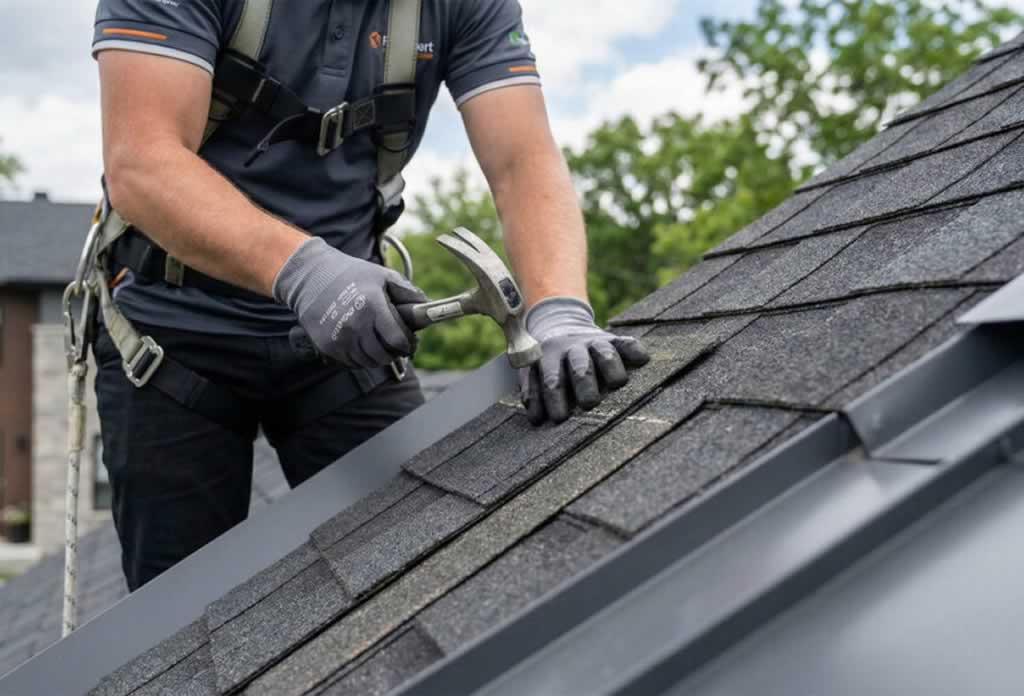
What Installation Week Actually Looks Like
For a typical single-family home, the physical work takes one to three days for asphalt, longer for metal or tile. Here is the general sequence:
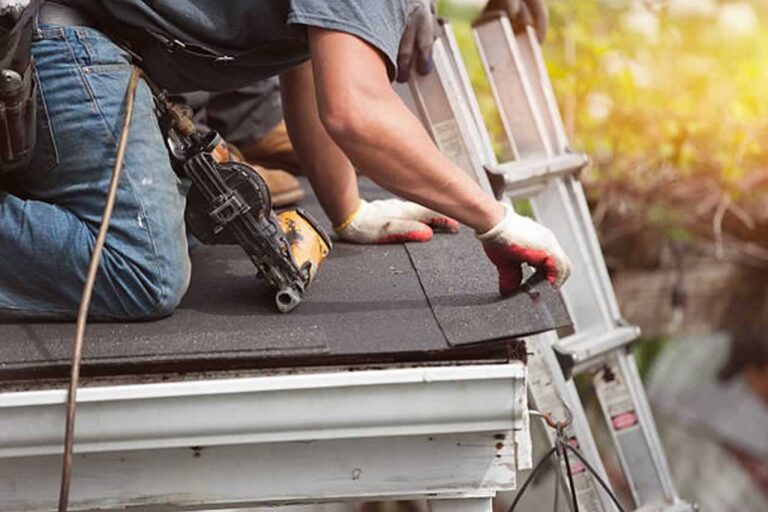
Day one is tear-off and inspection. The crew strips the old roof down to the deck, hauls debris to a dumpster, and replaces any rotten decking they find. This is loud, and your house will vibrate. Take pictures off the walls, because framed items can walk themselves off hooks.
Day two is usually the dry-in and installation. Underlayment goes down, ice-and-water shield goes in the valleys and along the eaves, flashing goes around the chimney and vents, and then the shingles go on from the eaves up to the ridge.
Final day covers ridge vent and cap installation, sealing, and cleanup. A good crew will run a magnet over your yard and driveway to pick up dropped nails. If you find nails in your tires a month later, that cleanup step was skipped.
A few practical preparations: move your cars well away from the house, cover plants near the foundation if you care about them, keep kids and pets inside or away for the day, and let your neighbors know the noise is coming.
Warranty Basics
There are two warranties on every roof, and they are separate. The manufacturer warranty covers defects in the material. The workmanship warranty from the contractor covers installation errors, which is where most real-world failures actually come from. Read both. Ask what voids the manufacturer warranty, because improper installation or ventilation can cancel it entirely, and you want a contractor whose workmanship warranty has real teeth.
The Bottom Line
A roof installation is a system, not a product. The shingles get the attention, but the underlayment, flashing, ventilation, and craftsmanship underneath determine whether your roof lasts 30 years or starts leaking in year eight. Choose the material that fits your climate and budget, get multiple detailed quotes, insist on a full tear-off if the budget allows, and ask pointed questions about ventilation and warranty terms.
The homeowners who end up happy with their new roof are almost always the ones who asked those questions before the first shingle went on. Be that homeowner, and your roof will quietly do its job for decades while you forget it is even up there.