

There is a certain kind of optimism that leads homeowners to look at a missing shingle or a small water stain on the ceiling and think, “I’ll deal with that later.” It is completely understandable. Life is busy, budgets are tight, and the roof is not exactly something you think about until it becomes impossible to ignore. The problem is that when it comes to roof repairs, “later” has a way of becoming much more expensive than anyone planned for.
This article is not meant to scare you. It is meant to give you an honest, straightforward look at what actually happens inside a home when a small roofing issue gets put on the back burner, and why catching problems early almost always saves you money in the long run.
What Starts Small Rarely Stays Small
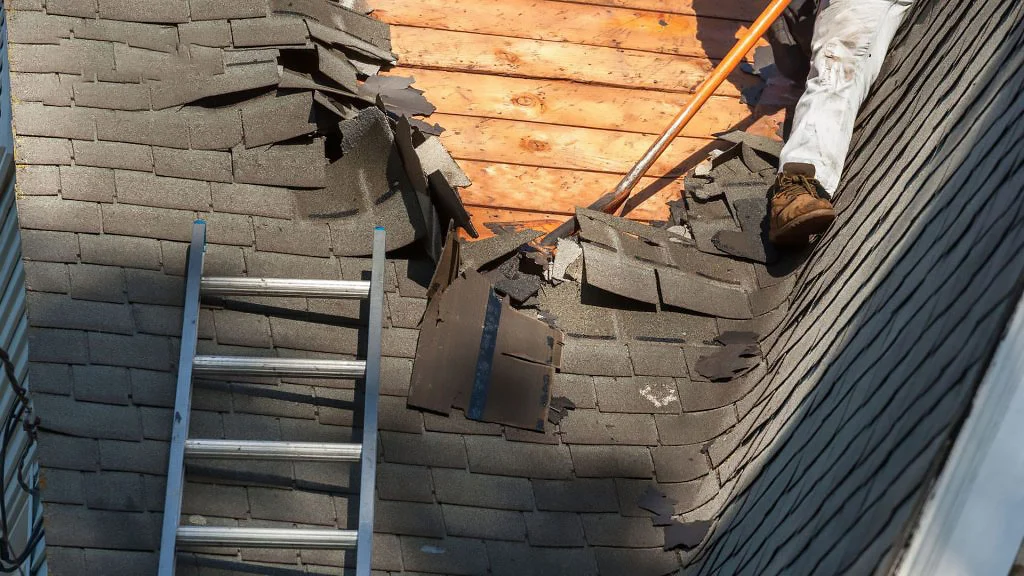
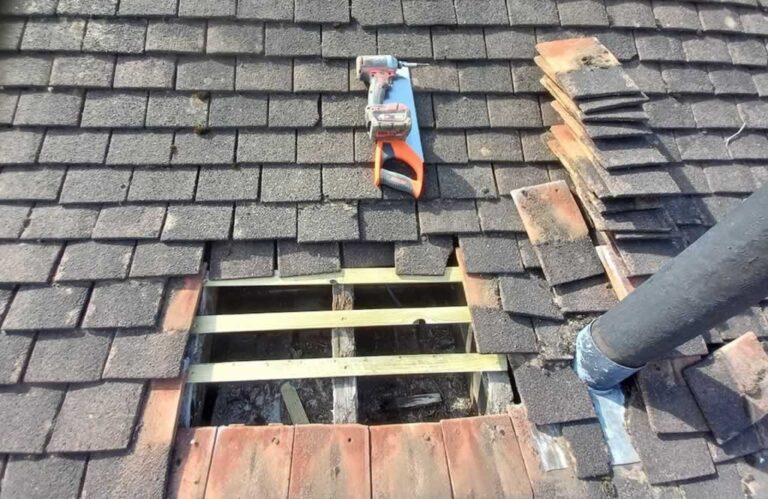
Most roofing problems do not announce themselves with a dramatic leak soaking the living room floor. They start quietly. A few granules washing off an aging shingle here. A tiny gap in the flashing around a chimney there. A slightly lifted edge where the sealant has dried out. On their own, these issues might look like nothing. But roofs are systems. Every layer and every component works together to keep water out, and when one small part fails, it puts pressure on everything around it.
Think of it this way: a small gap in your roof’s flashing might let in a tablespoon of water during a rainstorm. That tablespoon travels down through the decking, soaks into the insulation, and sits there. It does not evaporate quickly in a closed attic space. Over weeks and months, that moisture creates the conditions for mold growth, wood rot, and structural deterioration, all from what started as a flashing gap you could cover with your thumb.
The Real Price Tag of Waiting
Here is where the numbers start to matter. Roof repairs caught early are often straightforward and relatively affordable. A resealed flashing joint, a handful of replaced shingles, or a patched pipe boot is a manageable expense for most homeowners. But the cost of the same repair multiplies fast once secondary damage is involved.
Water damage to decking and structural framing is one of the most significant compounding costs in roofing. When moisture sits against wood over time, that wood begins to soften, warp, and eventually rot. Replacing rotted decking adds material and labor costs to any roofing project. If the rot spreads to rafters or structural framing members, you are now looking at a carpentry or structural repair on top of the roofing work.
Mold remediation is another cost that catches homeowners off guard. Once mold takes hold in an attic or within wall cavities, simply fixing the roof is not enough. Mold has to be professionally addressed before any new materials are installed, and that process adds both time and significant expense. In some cases, mold in an attic can cost several thousand dollars to remediate, entirely separate from the roofing repair itself.
Damaged insulation is less dramatic but still costly. Wet insulation loses its ability to do its job. It compresses, clumps, and in some cases has to be completely removed and replaced. This directly impacts your home’s energy efficiency, which means higher heating and cooling bills until the problem is corrected.
Interior damage is often what finally pushes homeowners to pick up the phone. By the time a ceiling stain has appeared or drywall has started to buckle, water has already been working its way through multiple layers of the home. Repairing water-damaged ceilings, walls, and flooring adds up quickly, and it is worth noting that most homeowner’s insurance policies are less likely to cover damage that results from ongoing neglect rather than a sudden storm event.
The Cycle of Temporary Fixes
One pattern that roofing contractors see frequently is the cycle of temporary fixes. A homeowner notices a leak, applies some roof sealant from a hardware store, and the leak stops, at least for a while. The next storm brings it back. More sealant goes on. Then a patch. Then more patches. By the time a professional is called in, the area around the original small problem has been layered over multiple times, and the contractor has to dig through all of it to find out what was actually going on underneath.
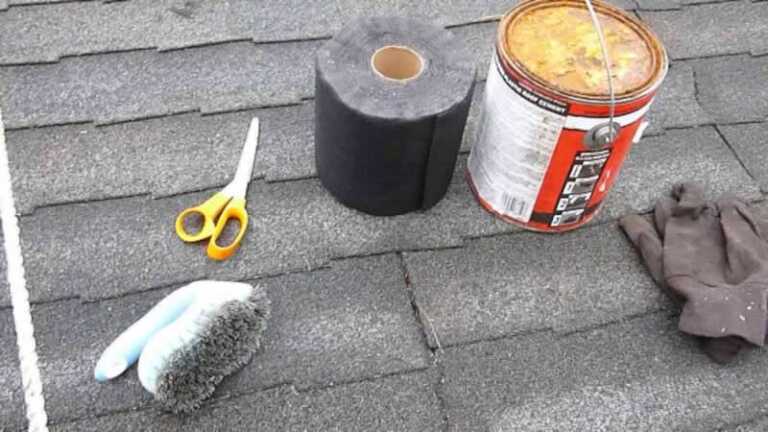
Temporary fixes are not inherently bad. In a pinch, they can buy time and limit damage. But they are not a substitute for a proper repair, and they can sometimes make a proper repair harder and more expensive by masking what is happening below the surface.
Roofing Problems That Tend to Compound the Fastest
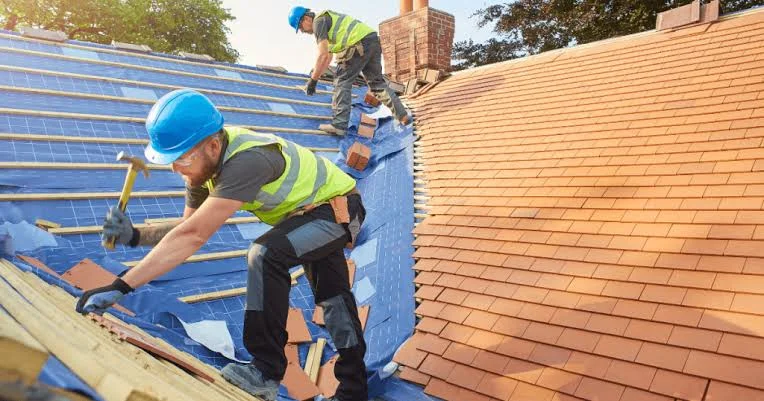
Not all roofing issues carry the same urgency, but some are known to escalate more quickly than others. These are worth keeping an eye on:
Flashing failures around chimneys, skylights, dormers, and pipe penetrations are among the fastest-moving issues. These are the points where the roof meets another surface, and they require proper sealing to stay watertight. When flashing lifts, corrodes, or separates, water has a direct entry point.
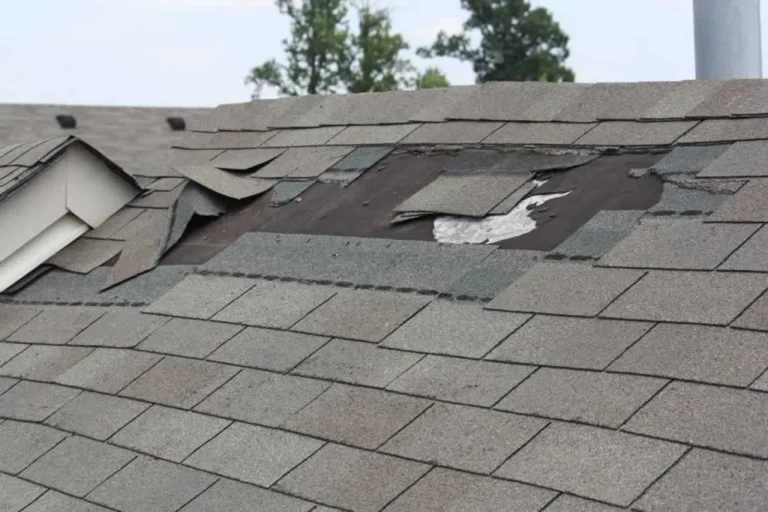
Missing or cracked shingles expose the underlayment and decking below. Underlayment is a secondary water barrier, not a primary one. It is not designed to handle ongoing direct water exposure. Once it fails, the decking is unprotected.
Clogged or damaged gutters are often overlooked because they seem like a separate issue, but they are directly connected to roof performance. When gutters overflow or back up, water sits against the fascia board and the roof’s lower edge, leading to rot and ice dam formation in colder climates.
Sagging areas anywhere on a roof surface are a sign that something more serious is happening structurally. These should never be ignored or treated as cosmetic.
How to Catch Problems Before They Compound
You do not have to be a roofing expert to stay ahead of problems. A few basic habits go a long way:
Schedule a professional inspection at least once a year, ideally in the spring after winter has done its worst, and again in the fall before cold weather sets in. Many contractors offer inspections as a standalone service, and the cost is minimal compared to what you might be avoiding.
Pay attention after major weather events. Heavy wind, hail, and ice are the most common triggers for roofing damage in many parts of the country. Getting eyes on the roof after a significant storm is always a good idea, even if you do not see any obvious interior signs of a problem.
Look at your attic, not just your ceiling. Interior ceiling stains are a late-stage symptom. Many water intrusion problems show up in the attic first, as damp insulation, dark spots on the decking, or visible daylight coming through gaps near the roofline. Checking your attic with a flashlight every few months takes minutes and can tell you a lot.
Do not ignore granule accumulation in your gutters. Asphalt shingles shed granules as they age and wear. A small amount is normal, especially on a newer roof. But significant granule loss means the shingles are nearing the end of their useful life and are becoming less effective at protecting the home. This is a sign that a repair or replacement conversation should happen sooner rather than later.
The Bottom Line
A roof does not fail overnight. It degrades gradually, and the window between “early warning sign” and “expensive problem” is longer than most homeowners realize, but it is not infinite. The homes that end up with the largest repair bills are almost never the ones that experienced some dramatic catastrophic event. They are the homes where small issues were noticed and set aside, where “I’ll handle it in the spring” turned into a second winter, and then a third.
Getting a professional opinion when something looks off does not mean committing to a major project. It means getting accurate information so you can make a smart decision. Sometimes the answer really is “watch it for now.” But sometimes it is “fix this before your next rainy season,” and knowing the difference is worth a lot.
Roofs are not glamorous. They are not the part of a home anyone gets excited about. But they are the one component that protects absolutely everything else, and giving them the attention they need is one of the most financially sound things a homeowner can do.

It’s so important to recognize that postponing roof repairs can lead to much greater expenses down the line. I’ve had my own experiences where a small leak turned into extensive water damage because I ignored it initially. This article really drives home the need to tackle those minor issues before they escalate! worth a look
It’s so true that small issues can snowball into much larger problems. I’ve seen friends put off minor leaks, and they ended up with costly repairs instead of just a simple fix. It really emphasizes the importance of addressing roof issues promptly!