
Commercial roofing is a critical aspect of building construction and maintenance, designed to protect the structure from external elements such as weather, debris, and UV radiation. Unlike residential roofing, commercial roofs are typically larger and may feature different materials and designs tailored to the unique needs of businesses. The right roofing solution not only ensures the safety and comfort of occupants but also plays a vital role in the energy efficiency and aesthetic appeal of the building.
Selecting the appropriate commercial roofing system requires a comprehensive understanding of various factors, including the building’s structure, climate, and intended use. With numerous options available, from traditional materials like asphalt and metal to innovative solutions like green and cool roofs, businesses must weigh the benefits and drawbacks of each type to determine the best fit. Additionally, advancements in roofing technology have led to the development of more durable, cost-effective, and environmentally friendly options, making it essential for building owners to stay informed about the latest trends and products.
In this article, we will explore the importance of choosing the right roofing solution, examine different types of commercial roofing systems, and discuss the advantages and disadvantages of each. We will also provide insights into key factors to consider when selecting a roofing solution, offer maintenance tips for prolonging the lifespan of commercial roofs, and present a cost analysis to help you budget for your next roofing project. Also, we cover what a reputable roofing company, like Serva Health roofing contractors NH, must have, like comprehensive commercial roofing services, including new construction, re-roofing, repair, and maintenance, with expertise in EPDM, TPO, PVC, metal, and modified bitumen roofing systems. By the end of this comprehensive guide, you will be well-equipped to make informed decisions that ensure lasting protection for your building.

Importance of Choosing the Right Roofing Solution
Choosing the right roofing solution is crucial for the long-term protection and performance of a commercial building. The roof is the first line of defense against natural elements, and an inadequate or poorly installed roofing system can lead to significant damage, costly repairs, and even safety hazards. A well-chosen roofing solution enhances the durability and resilience of the building, providing peace of mind to owners and occupants alike.
Furthermore, the right roofing system can impact the building’s energy efficiency, contributing to lower utility bills and a reduced carbon footprint. For instance, reflective roofing materials can help maintain a cooler indoor temperature, reducing the need for air conditioning during hot seasons. Conversely, insulating materials can retain heat, minimizing heating costs in colder climates. Therefore, selecting a roofing solution that aligns with the local climate and energy requirements is essential for optimizing operational costs and sustainability.
The aesthetic appeal of a commercial building is another important consideration. A visually appealing roof can enhance the overall appearance of the property, potentially increasing its market value and attractiveness to tenants or customers. Different roofing materials and designs offer varied aesthetic options, allowing businesses to choose a solution that complements the architectural style and branding of the building. Ultimately, the right roofing solution balances functionality, efficiency, and visual appeal, ensuring comprehensive protection and value for the property.
Types of Commercial Roofing Systems
Commercial roofing systems come in various types, each with its own set of characteristics, benefits, and challenges. Understanding these differences is key to selecting the best option for your building. Some of the most common commercial roofing systems include flat roofs, metal roofs, and green roofs, each offering unique advantages tailored to specific needs and environments.
Flat roofing systems are popular in commercial buildings due to their efficiency and simplicity. These roofs are constructed with a slight pitch to allow for water drainage, and they provide ample space for installing HVAC systems and other equipment. Flat roofs are typically made from materials such as built-up roofing (BUR), modified bitumen, or single-ply membranes like TPO, EPDM, and PVC. Each material offers different levels of durability, weather resistance, and cost, making it essential to evaluate the specific requirements of your building when choosing a flat roofing system.
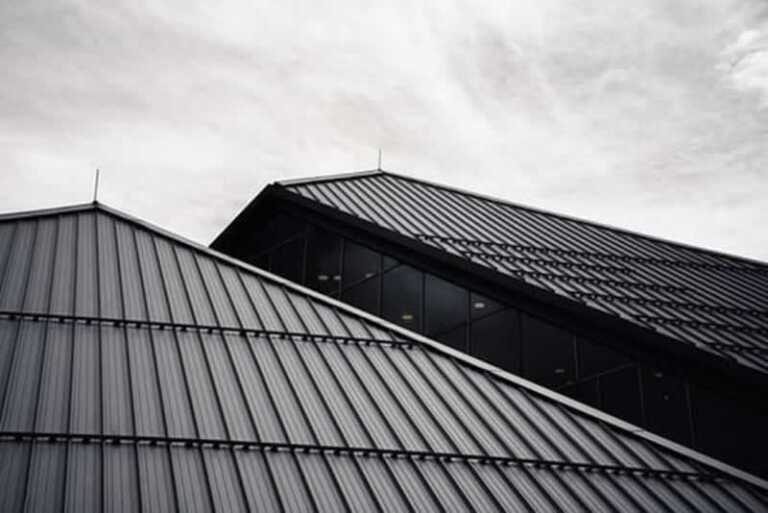
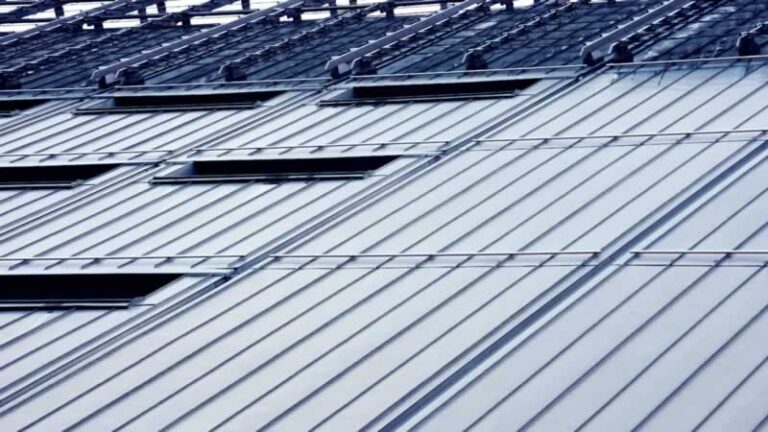
Metal roofing systems are known for their longevity and robustness, making them a preferred choice for many commercial properties. These roofs are made from materials such as steel, aluminum, and copper, and they can be designed in various styles, including standing seam and corrugated panels. Metal roofs are highly resistant to extreme weather conditions, fire, and pests, and they can be coated with reflective finishes to enhance energy efficiency. While the initial cost of metal roofing may be higher than other options, its long lifespan and low maintenance requirements often result in significant long-term savings.
Green roofing systems, also known as living roofs, incorporate vegetation and soil layers on top of a waterproof membrane. These roofs offer numerous environmental benefits, including stormwater management, improved air quality, and reduced urban heat island effects. Green roofs can be intensive, with deep soil layers supporting a wide range of plants, or extensive, with shallow soil layers and low-maintenance vegetation. While green roofing systems require specialized installation and maintenance, they contribute to sustainability and can provide a unique aesthetic appeal to commercial buildings.
Benefits of Flat Roofing Systems
Flat roofing systems offer several advantages that make them a popular choice for commercial buildings. One of the primary benefits is their cost-effectiveness. The installation process for flat roofs is generally simpler and quicker than for pitched roofs, leading to lower labor costs. Additionally, the materials used for flat roofing, such as single-ply membranes and modified bitumen, are often less expensive than those required for more complex roofing structures. This affordability makes flat roofs an attractive option for businesses looking to manage construction and maintenance budgets effectively.
Another significant benefit of flat roofing systems is the ease of maintenance and repair. The flat surface provides convenient access for inspections, cleaning, and repairs, reducing the time and effort required to address any issues. This accessibility is particularly advantageous for buildings with HVAC systems, solar panels, or other equipment installed on the roof, as technicians can perform maintenance without the need for specialized safety equipment or complex procedures. Regular maintenance of flat roofs can help extend their lifespan and prevent minor issues from developing into major problems.
Flat roofs also offer versatility in terms of space utilization. The expansive, level surface can be used for a variety of purposes, such as creating rooftop gardens, recreational areas, or additional storage space. This flexibility allows businesses to maximize the utility of their property and create functional outdoor spaces that enhance the overall value and appeal of the building. Furthermore, flat roofs can be designed with energy-efficient features, such as reflective coatings or green roof systems, to improve the building’s sustainability and reduce energy costs.
Advantages of Metal Roofing for Commercial Buildings
Metal roofing systems provide numerous benefits that make them an excellent choice for commercial buildings. One of the most notable advantages is their exceptional durability. Metal roofs are designed to withstand harsh weather conditions, including heavy rain, snow, high winds, and hail. They are also resistant to fire, pests, and rot, ensuring long-term protection for the building. The robust nature of metal roofing materials means they can have a lifespan of 40 to 70 years, significantly longer than many other roofing options.
In addition to their durability, metal roofs offer impressive energy efficiency. Many metal roofing systems are coated with reflective finishes that help reduce heat absorption, keeping the building cooler during hot weather. This reflective property can lead to substantial energy savings by reducing the need for air conditioning, particularly in regions with high temperatures. Some metal roofs can also be designed with additional insulation to enhance thermal performance, making them suitable for both hot and cold climates.
Metal roofing systems are also known for their low maintenance requirements. Unlike other roofing materials that may require frequent repairs or replacements, metal roofs typically need minimal upkeep. Regular inspections and occasional cleaning are usually sufficient to maintain their condition and performance. This low maintenance aspect translates to cost savings over the lifespan of the roof, as businesses can avoid frequent repair expenses and focus on other priorities. Furthermore, the sleek and modern appearance of metal roofs can enhance the aesthetic appeal of commercial buildings, contributing to a professional and polished image.

The Role of Green Roofing in Sustainability
Green roofing systems play a significant role in promoting sustainability and environmental stewardship. By incorporating vegetation and soil layers on top of a waterproof membrane, green roofs provide a natural way to manage stormwater runoff. The plants and soil absorb rainwater, reducing the volume of water that reaches the drainage system and mitigating the risk of flooding. This natural filtration process also helps improve water quality by capturing pollutants and preventing them from entering waterways.
Another important environmental benefit of green roofing systems is their ability to improve air quality. The plants on green roofs absorb carbon dioxide and other pollutants, releasing oxygen back into the atmosphere. This process helps reduce the overall level of air pollution in urban areas, contributing to a healthier environment for residents and workers. Additionally, green roofs can help mitigate the urban heat island effect, where cities experience higher temperatures than surrounding rural areas due to the concentration of buildings and pavement. The vegetation on green roofs provides natural cooling, reducing the ambient temperature and lowering the demand for air conditioning.
Green roofs also offer social and economic benefits that contribute to sustainability. They can create green spaces in densely populated urban areas, providing recreational and aesthetic value to building occupants and the community. These green spaces can enhance the well-being and quality of life for residents, offering a place for relaxation and connection with nature. Furthermore, green roofs can increase the lifespan of the underlying roofing materials by protecting them from UV radiation and extreme temperature fluctuations. This added protection can reduce maintenance costs and extend the overall lifespan of the roofing system, making green roofs a cost-effective and sustainable choice for commercial buildings.
Key Factors to Consider When Selecting a Roofing Solution
When choosing a commercial roofing solution, several key factors must be taken into account to ensure the best fit for the building’s needs. One of the most critical considerations is the local climate. The roofing material and design must be suitable for the weather conditions in the area, including temperature fluctuations, precipitation, wind, and exposure to sunlight. For instance, in regions with heavy snowfall, a roofing system that can support the weight of accumulated snow and provide adequate drainage is essential. Conversely, in hot climates, reflective or cool roofing materials can help reduce heat absorption and lower energy costs.
The building’s structure and design are also important factors to consider. The roofing system must be compatible with the architectural style and load-bearing capacity of the building. For example, certain roofing materials may be too heavy for older structures or those with limited load-bearing capacity. Additionally, the design of the roof, such as its slope and drainage system, must be able to accommodate the chosen roofing material and ensure effective water management. It is crucial to consult with a structural engineer or roofing professional to assess the building’s suitability for different roofing options.
Another key consideration is the long-term maintenance and lifecycle costs of the roofing system. While some roofing materials may have a lower initial cost, they may require more frequent repairs or replacements, leading to higher overall expenses. It is essential to evaluate the total cost of ownership, including installation, maintenance, and potential repairs, to determine the most cost-effective solution. Additionally, the roofing material’s durability and warranty should be considered to ensure long-lasting protection and value for the investment. By carefully assessing these factors, building owners can make informed decisions that balance performance, cost, and sustainability.
Maintenance Tips for Longevity of Commercial Roofs
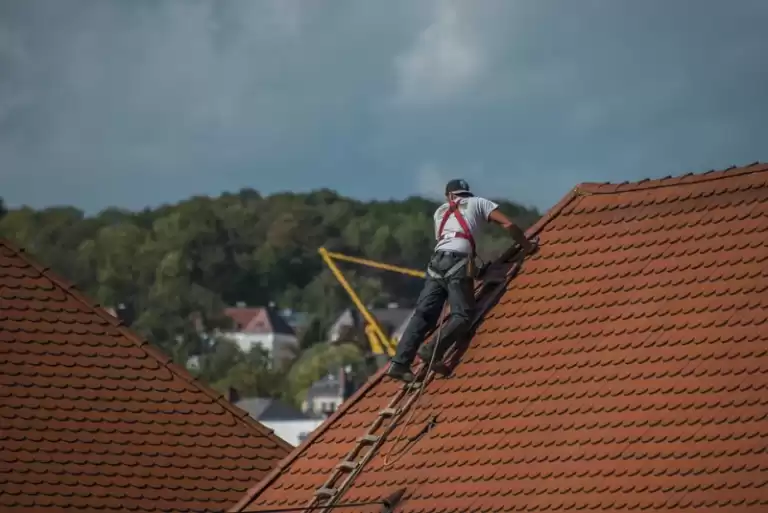
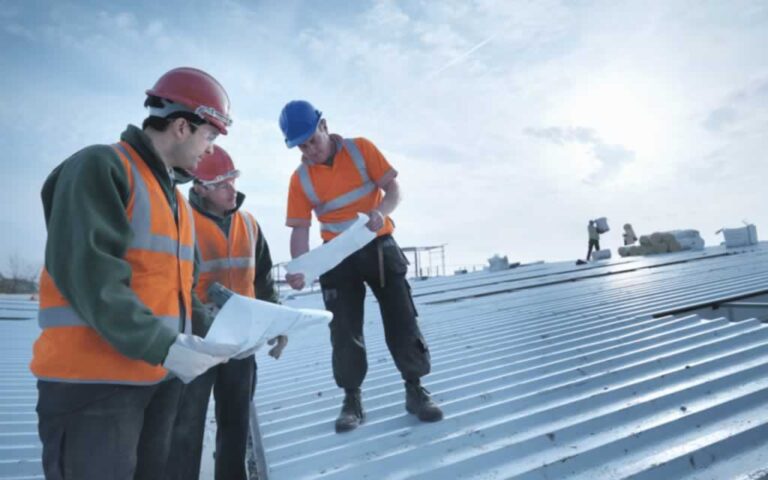
Proper maintenance is essential for extending the lifespan of commercial roofing systems and ensuring their continued performance. Regular inspections are a critical component of roof maintenance, allowing for the early detection of potential issues such as leaks, cracks, or damage from debris. It is recommended to conduct inspections at least twice a year, ideally in the spring and fall, as well as after significant weather events. These inspections should be carried out by qualified professionals who can identify and address any problems before they escalate.
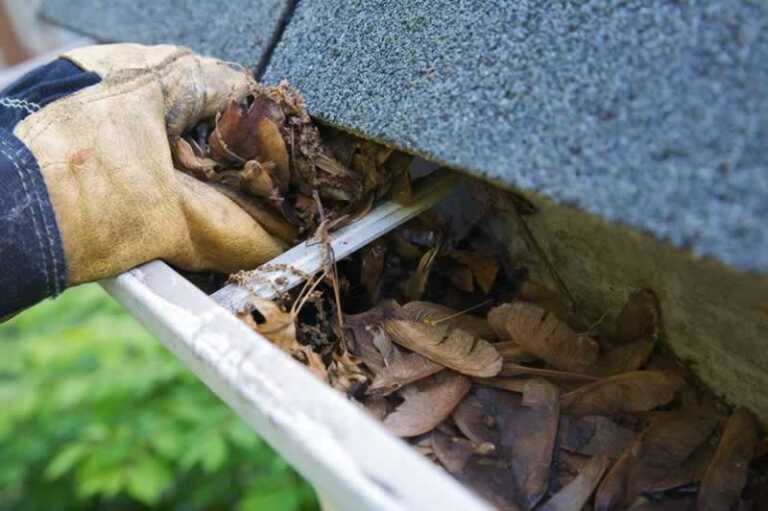
Cleaning the roof is another important maintenance task that helps prevent the buildup of debris, dirt, and organic matter that can cause damage over time. For flat roofs, it is essential to ensure that drains and gutters are clear of obstructions to prevent water pooling and potential leaks. Removing leaves, branches, and other debris from the roof surface helps maintain proper drainage and reduces the risk of water damage. For metal and green roofs, regular cleaning can prevent the growth of moss or algae and ensure that the vegetation remains healthy and effective in providing environmental benefits.
In addition to regular inspections and cleaning, timely repairs are crucial for maintaining the integrity of the roofing system. Addressing minor issues promptly can prevent them from developing into major problems that require costly repairs or replacements. For instance, sealing small cracks or patching up minor leaks can help prevent water infiltration and structural damage. It is also important to ensure that any roofing repairs or maintenance work is performed by experienced professionals to guarantee quality and compliance with manufacturer warranties. By implementing these maintenance practices, building owners can protect their investment and ensure the long-term functionality of their commercial roofing system.
Cost Analysis: Budgeting for Commercial Roofing Projects
Budgeting for a commercial roofing project involves a thorough cost analysis that considers various factors to ensure an accurate estimate and effective financial planning. The first step in this process is to evaluate the initial costs of the roofing materials and installation. Different roofing systems come with varying price points, depending on the materials used, the complexity of the installation, and the size of the roof. It is important to obtain detailed quotes from multiple roofing contractors to compare costs and identify the best value for your investment.
In addition to the initial costs, it is essential to consider the long-term expenses associated with maintaining and repairing the roofing system. Some roofing materials may have lower upfront costs but require more frequent maintenance or repairs, leading to higher overall expenses. Conversely, more durable materials, such as metal or green roofs, may have higher initial costs but offer significant savings over time due to their longevity and low maintenance requirements. Conducting a lifecycle cost analysis can help you understand the total cost of ownership and make informed decisions about the most cost-effective roofing solution.
Another crucial aspect of budgeting for commercial roofing projects is accounting for potential contingencies and unexpected expenses. Roofing projects can encounter unforeseen challenges, such as structural issues, weather delays, or material shortages, that may impact the overall cost and timeline. Setting aside a contingency fund of 10-20% of the total project budget can help you manage these unexpected costs without compromising the quality or scope of the project. By carefully planning and budgeting for all aspects of the roofing project, you can ensure a successful and financially sound investment in your building’s protection.
Conclusion: Making Informed Decisions for Your Building’s Protection
In conclusion, selecting the right commercial roofing solution is a critical decision that requires careful consideration of various factors to ensure lasting protection for your building. Understanding the different types of roofing systems, such as flat, metal, and green roofs, and their respective benefits and challenges is essential for making an informed choice. Each roofing option offers unique advantages tailored to specific needs and environments, and evaluating these options in the context of your building’s requirements is key to achieving the best results.
Importance of proper maintenance and cost analysis cannot be overstated when it comes to commercial roofing systems. Regular inspections, cleaning, and timely repairs are crucial for extending the lifespan of the roof and preventing costly damage. Additionally, conducting a thorough cost analysis that considers initial, long-term, and contingency expenses will help you budget effectively and make financially sound decisions. By prioritizing maintenance and budgeting, you can protect your investment and ensure the continued performance and durability of your roofing system.
Ultimately, making informed decisions about your commercial roofing solution involves balancing functionality, efficiency, and visual appeal. By considering factors such as climate, building structure, maintenance requirements, and cost, you can choose a roofing system that meets your needs and provides comprehensive protection for your property. Staying informed about the latest trends and advancements in roofing technology will also help you identify innovative solutions that enhance the sustainability and performance of your building. With the right roofing solution, you can achieve lasting protection and value for your commercial property.