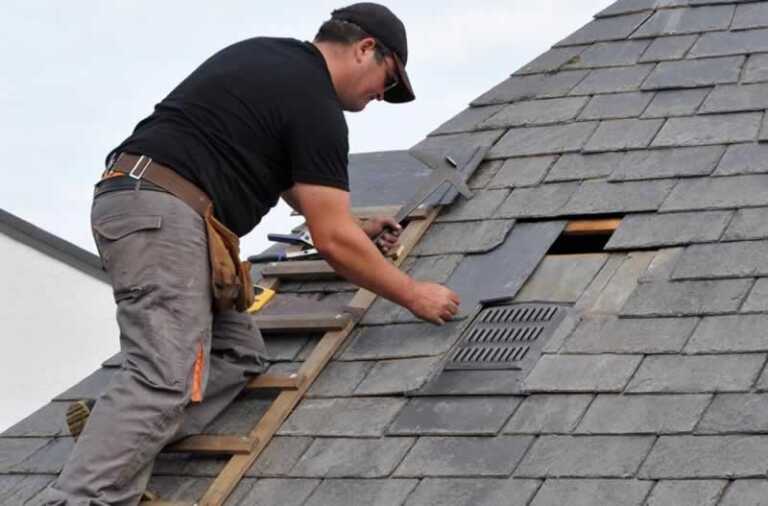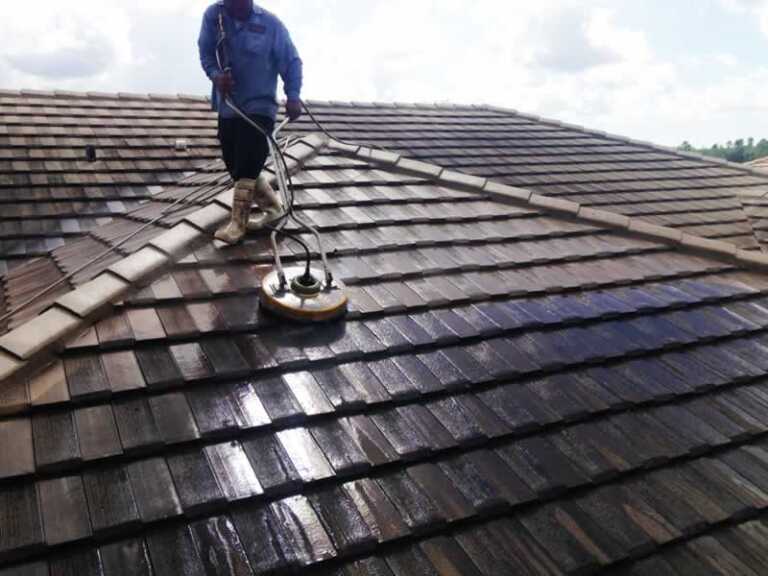

When a homeowner purchases a new roof, the manufacturer’s warranty often becomes the primary point of comparison. A 30-year roof sounds like a better investment than a 15-year roof, but the actual difference in longevity comes down to far more than just the shingles themselves. The flashing, which is the metal or rubber material that seals joints and transitions on your roof, plays a critical role in determining whether your roof will truly last three decades or fail halfway through. Understanding these distinctions can help you make an informed decision about which roofing system will best protect your home and provide genuine value over time.
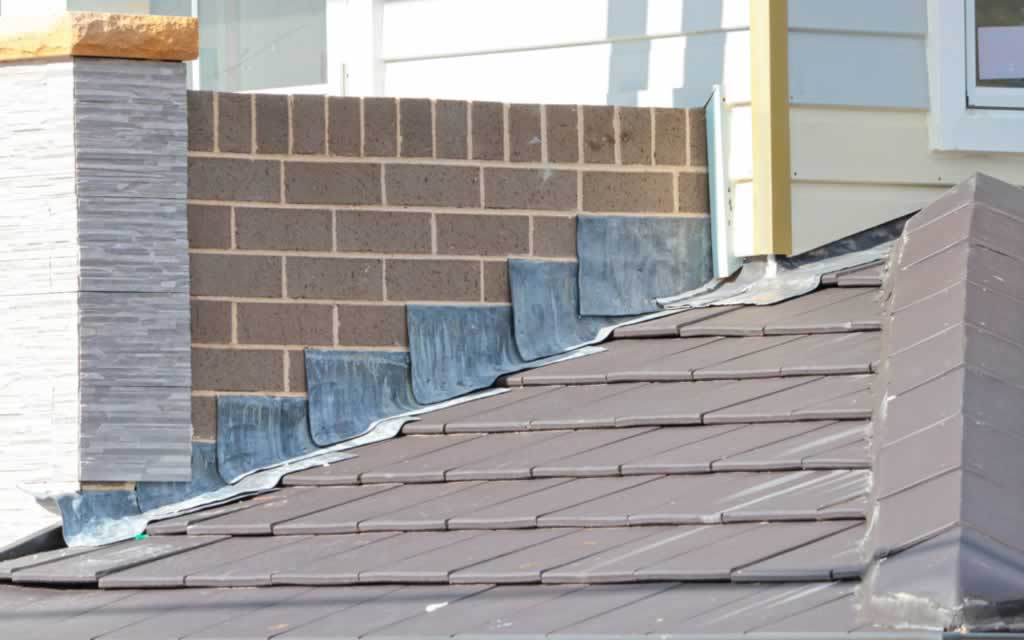
1. Material Thickness and Durability Standards
The primary difference between 15-year and 30-year roofing systems begins with the core materials used in their construction. Thirty-year shingles are typically manufactured with more asphalt, fiberglass, and mineral granules, making them thicker and heavier than their 15-year counterparts. This added mass translates directly into better protection against UV rays, wind damage, and thermal expansion. The thicker composition means the shingles retain their flexibility longer, which is essential for accommodating the constant movement caused by temperature fluctuations. Quality manufacturers use superior binders and adhesives in 30-year products, which resist deterioration from heat and moisture far more effectively than budget alternatives. When a roofing system is engineered to last 30 years, every component including the flashing must meet higher performance standards from the outset.
2. Flashing Material Selection and Gauge
The metal or rubber used for flashing represents one of the most overlooked distinctions between short-lived and long-lived roofing systems. Thirty-year roofing installations typically use galvanized steel flashing with a higher gauge rating, meaning the metal is thicker and more resistant to corrosion. Fifteen-year systems often employ thinner gauge materials that oxidize more quickly and develop pinhole leaks within a decade. Aluminum flashing is also common in premium roofing systems because it resists rust entirely, whereas galvanized options can eventually lose their protective coating. Copper flashing, used in the highest-end installations, offers exceptional longevity but comes at a premium price point.
For homeowners working through the process of selecting and installing a long-lasting roofing system with properly specified flashing gauge and material grades, New Roofs Inc. ensures every component meets the performance standards required for a genuine 30-year lifespan. The thickness of the flashing material directly affects how well it withstands foot traffic, thermal stress, and weathering cycles over the roof’s lifespan. Lower-grade flashing introduced during installation is one of the most common reasons a nominally long-lived roof underperforms its warranty category. Specifying the correct gauge from the start is a straightforward way to avoid that outcome.
3. Seal and Adhesive Quality in Flashing Installation
How the flashing is sealed around penetrations and edges matters just as much as the material itself. Premium 30-year roofing systems use high-grade silicone or urethane sealants that remain pliable and effective for decades, whereas budget systems often rely on asphalt tar or lower-grade sealants that harden and crack within 5 to 10 years. When sealant fails, water infiltrates behind the flashing and causes leaks that damage the structural components beneath the roof. The adhesives used to bond flashing to the roof deck in 30-year systems are formulated to resist UV degradation and maintain their bond through thermal expansion and contraction cycles. Fifteen-year roofing systems use less expensive adhesives that may fail prematurely when exposed to extreme temperature swings. Professional installation with quality sealants ensures that the flashing remains watertight throughout the roof’s intended lifespan, making this seemingly small detail one of the most important factors in roof longevity.
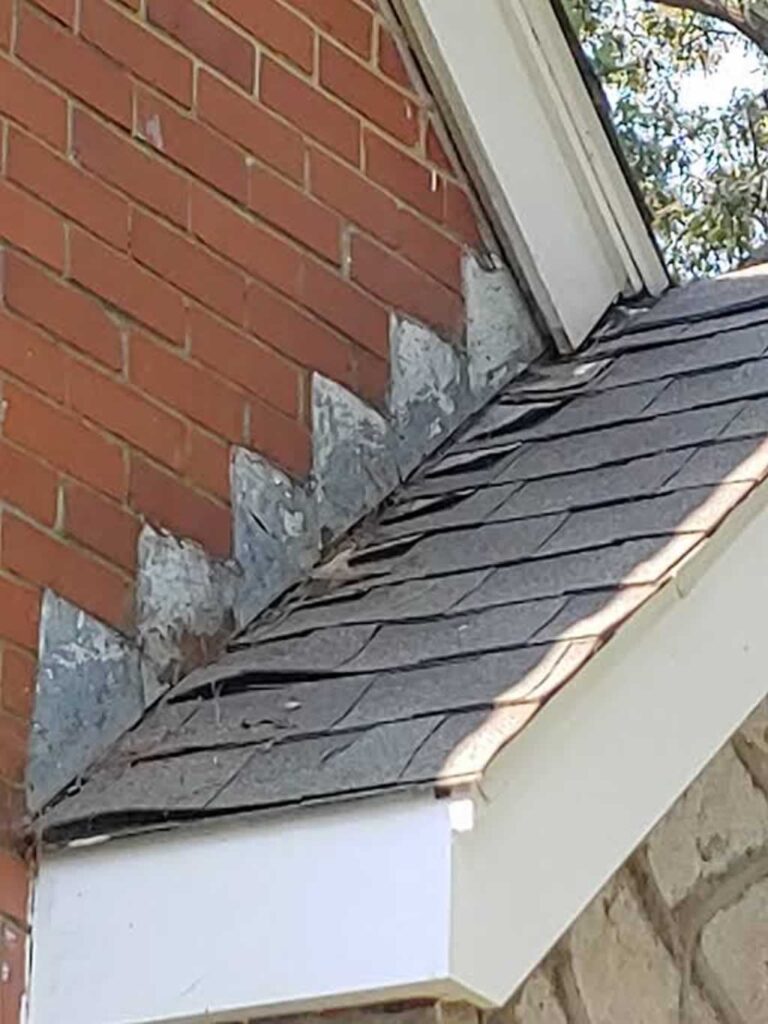
4. Flashing Design and Integration with Shingles
The design of the flashing system and how it integrates with the shingle installation determines whether water can penetrate at vulnerable points. Thirty-year roofing systems feature sophisticated flashing designs that overlap with shingles in multiple layers, creating redundant barriers against water intrusion. This overlapping approach means that even if one layer fails, the water still encounters another barrier before reaching the roof deck. Fifteen-year systems often use simplified flashing designs with single-layer protection at key joints and valleys. The flashing around chimneys, vent pipes, and skylights in premium systems is typically sealed with a combination of metal, rubber, and high-grade sealant, creating multiple protection layers. When manufacturers design a roof intended to last 30 years, they engineer the flashing details with the understanding that weather exposure will be relentless over three decades, not just one and a half.
5. Preventive Maintenance and Material Degradation Resistance
Although installation quality matters, the way flashing materials resist degradation over time fundamentally separates 30-year systems from 15-year systems. Superior materials in 30-year installations resist granule loss, which exposes the underlying asphalt and allows UV rays to accelerate deterioration. The flashing materials in premium systems maintain their flexibility and structural integrity even after years of exposure to freeze-thaw cycles, which can cause lesser materials to become brittle and crack. Fifteen-year roofing systems use materials that degrade more predictably within their warranty period, reflecting the manufacturer’s engineering expectations. Quality flashing in 30-year systems can be visually inspected during routine maintenance without immediate concern, whereas lower-grade flashing may show signs of corrosion or joint separation much sooner. When you invest in a 30-year roof, the flashing components are specifically chosen and installed to require minimal maintenance while maintaining their protective function throughout the roof’s life.
Conclusion
The difference between a 15-year roof and a 30-year roof extends far beyond marketing claims or warranty paperwork. The flashing details, including material thickness, seal quality, design sophistication, and degradation resistance, work together to create a roofing system that can genuinely withstand decades of weather exposure. A 15-year roof is engineered to meet performance standards for 15 years, while a 30-year roof is built from the ground up to endure twice that time. When evaluating roofing options, examining the specific materials and installation details of the flashing system provides concrete insight into which system will deliver better long-term protection. The upfront investment in a properly designed and installed 30-year roof pays dividends through reduced repairs, fewer callbacks, and genuine peace of mind that your home remains protected through the decades ahead.