Your HVAC system is one of the most fundamental parts of your home. It helps keep you toasty during the cold winter months, and cooled during the hot summer season. Plus, it also maintains proper humidity levels and filters indoor air.

That said, you’ll inevitably face an issue with your residential HVAC unit at some point. Fortunately, most malfunctions are relatively simple issues. Hence, this article shares the most common HVAC problems and how to deal with them.
1. Noisy Unit
In general, HVAC units are silent. At most, you’ll hear the compressor turning on and off. However, if you start hearing unusual noises such as loud rattling, hissing, screeching, or anything that sounds like your unit is working hard to keep you cool, then it probably is. Failing HVAC units generate a lot of unwanted noises.
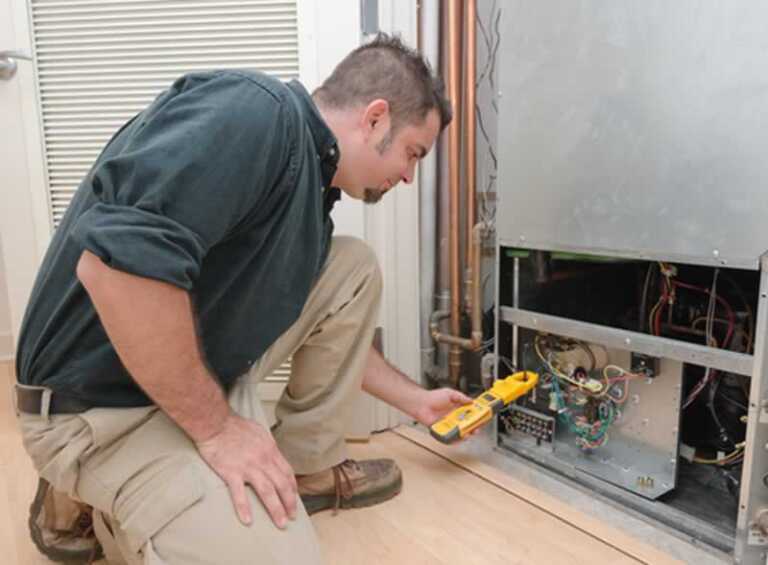
For instance, a rattling noise might be an issue with the compressors, fans, or motors. A screeching or squealing sound may indicate a defective belt. Other unusual sounds may also indicate loose screws, duct leakage, and debris in the fan blades. You can check your thermostat and remove any debris from near the outside unit as a good start. You can visually inspect the inside of the unit if you can. However, it’s best to get it checked by an HVAC expert, such as https://hy-mark.ca/. Don’t try to do DIY repair in this case, since you may cause further damage to the system.
2. Poor Or Restricted Airflow
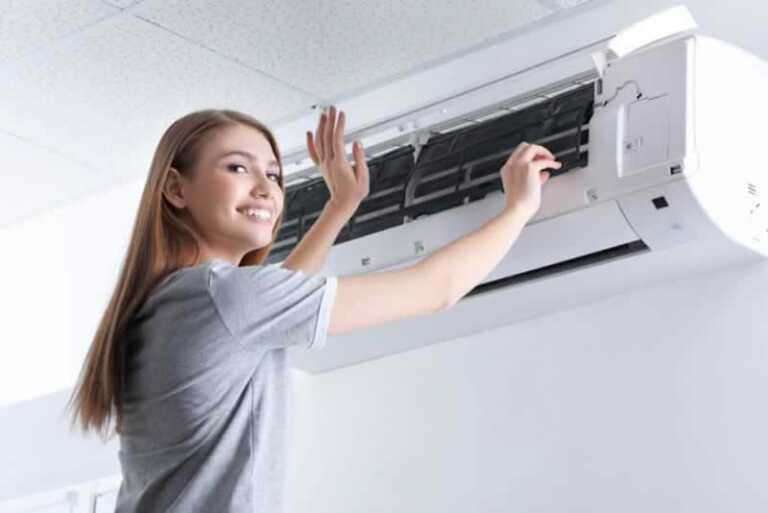
One of the most common HVAC complaints is the reduced ventilation and airflow in some areas of your home. If you’re experiencing this, then it may be caused by several reasons. For one, it may be because of a clogged air filter. Your HVAC’s air filters are designed to collect pollutants and dust particles. However, once they become filled with dust, it also reduces the amount of air that passes through them, thus, reducing airflow in your home. To avoid this issue, you should regularly replace your filters. In general, experts recommend replacing filters every three months, but you can do it more frequently if you see the filter dirtier than normal. Meanwhile, for reusable filters, you can simply wash and clean them to improve airflow.
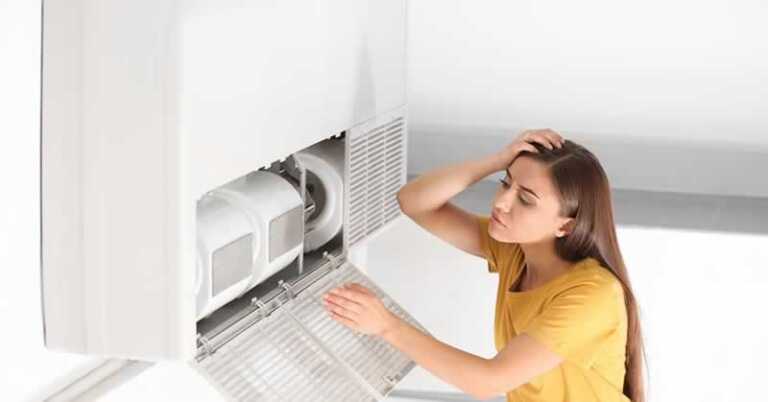
If you still experience reduced airflow even after changing or cleaning the filter, then the issue may be caused by internal components. The evaporator coils may receive insufficient ventilation, causing freezing, and may stop working completely. If the issue persists, then the entire HVAC unit may stop completely. Consider defrosting the coil to help solve this issue.
3. Reduced Cooling Efficiency
Is your HVAC system struggling to keep up with extreme weather or your daily needs? For instance, if your HVAC unit is running at full blast during the warmer months and you notice that it’s no longer cooling the air inside, then it may have lost some of its efficiency. More often than not, the main culprit for this issue is the low refrigerant, a substance that draws the heat from the air as it passes through your HVAC unit. Without refrigerant, your HVAC system can’t do its job properly and simply expels the same warm air that it takes in.
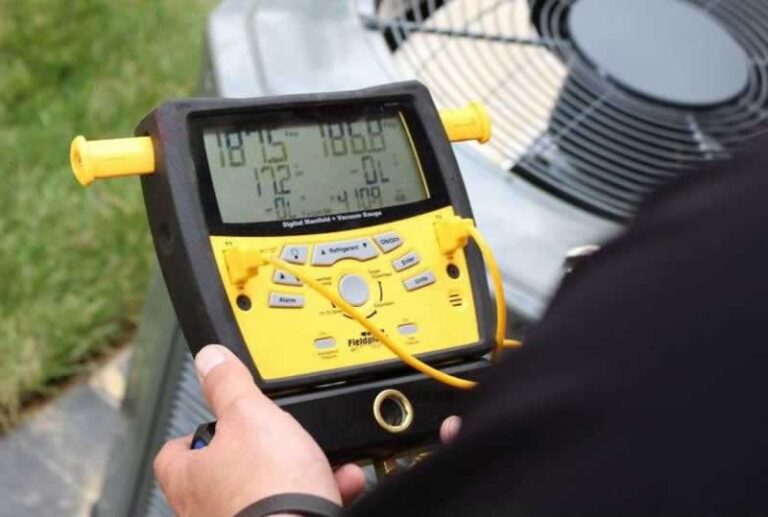
You can run a diagnostic to determine if you need to top up your refrigerant. Take note, however, that a refrigerant doesn’t usually run dry on its own and may be caused by a leak. In addition to the refrigerant, another reason for reduced HVAC efficiency is a dirty filter or blockages on your vents, grills, and ducts. So, consider cleaning the related components to ensure optimum efficiency.

4. Water Leaks
Your HVAC unit creates plenty of moisture when in use. The AC produces condensate, which is pushed through the drain pipes and expelled outside your home. However, if your drain system becomes damaged or clogs up, your system will leak. In general, the most common leak sources are the evaporator drain, heat exchanger, and collector box. If you see leaks in your HVAC unit, it’s important to handle them immediately since unregulated water buildup can cause structural damage, mold growth, and electrical problems.
For clogged drains, you can simply clean the drain using a vinegar cleaning solution. If your drain pan is overflowing, you can use a wet vacuum to remove standing water. Then, check for holes and cracks and use a water sealant solution to seal them. If the sealant doesn’t work, then you may have to replace the pan. Once again, dirty air filters can also be a culprit since it forces the buildup of coolant. So, make sure to change regularly.
Takeaway
Your HVAC system tends to experience issues from time to time, either due to lack of regular maintenance or use-related wear and tear. Whatever the reason is, as long as you’re aware of the most common issues that may come up and your troubleshooting options, you can quickly get your HVAC system up and running again and reduce inconvenience.