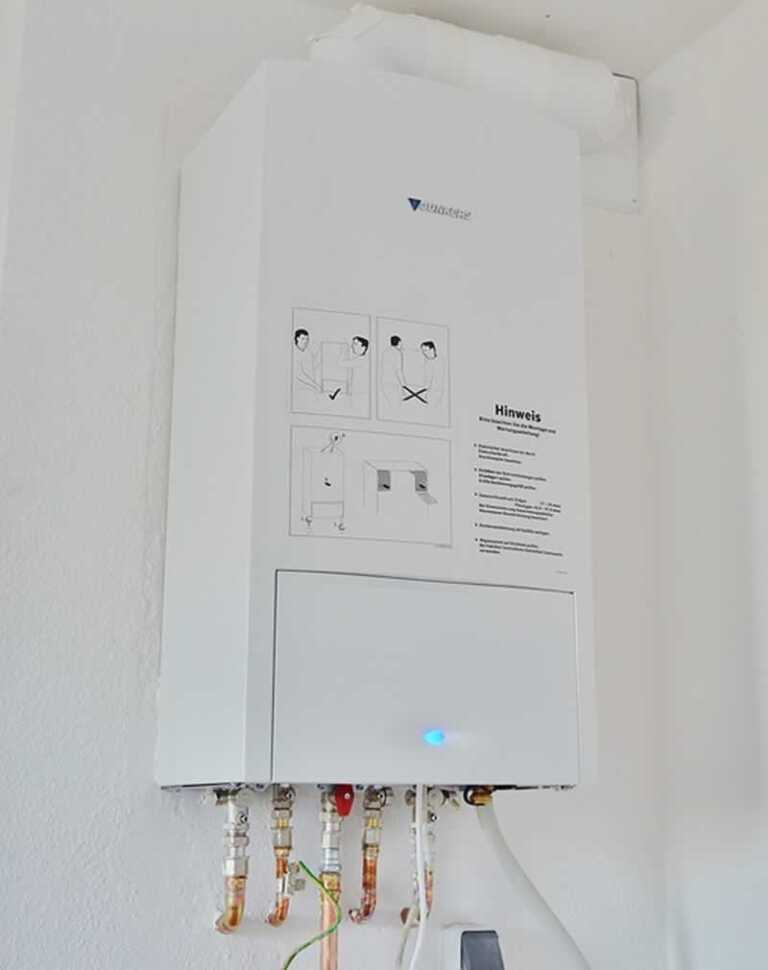

From picking the flooring to selecting the paint color, and from choosing the wall decoration to the entire theme, building a new home is both exciting and rewarding. However, it is also challenging and overwhelming especially selecting the right HVAC system it needs for adequate comfort and efficiency.

See the following for help on how to choose the right heating and cooling system for you.
Is Central Air Necessary?
There is no specific answer to this question because no two households have the same heating and cooling needs and situation. At the very least, the central AC works like a giant refrigerator and requires ductwork, where cooled or heated air will travel and then pass through the air vents in all rooms. Your home will be in one zone with the central AC.
One upside of the central air conditioning is its design and installation because it is almost invisible to the eye other than the lines running through the furnace and the outdoor unit. On the downside, the house is one zone, so it’s measured only in one spot. Also, rooms or floors far from the thermostat may starve or lack cool air.
Can a Local HVAC Company Service the Equipment?
Choosing an HVAC system before moving to a new home should not be an afterthought. In fact, it’s an essential decision to make, as it affects your house’s appearance outside and inside, energy bills and comfort levels. But, while many complex and brand-new systems are available on the market now, they might not be what you need.
For this reason, it can be wiser to consult with the local AC repair companies to service your equipment. They can be immediately available, especially when you need an emergency service unlike team located hours away from your new home.
Select the Right Type & Sized HVAC System
When building a new home, choose the right HVAC type and size. For the type, there are two basic systems, the ductless and the central air conditioning. The central air conditioning requires ductwork throughout the home. So with it, your entire home will be cooled or heated through the ducts and then cooled air will enter each room through the vents. (Later, let’s discuss if central AC is necessary.)
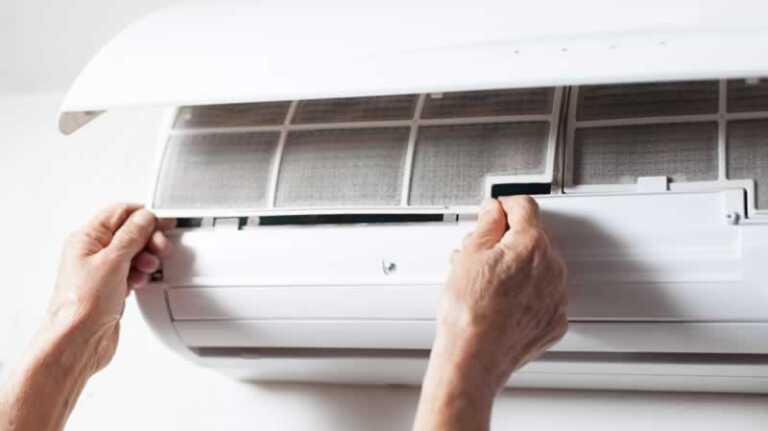
On the other hand, the ductless system has a large outdoor unit and inside individual units, each attached to the wall. The ductless system produces air that exits through an individual unit into the specific room in which it is installed. The ductless type has a conduit housing component, such as the condensate drain, refrigerant tubing, and power cable. The conduit connects the outdoor unit and the indoor units.
An upside of a ductless system is that it lets you cool and heat each room individually (zoning), saving you on energy consumption and bills. For the size, one thing to help is a load calculation that can affect your decision as to whether to select the ductless or the central air system for your new home.
An HVAC pro can assist in load calculation, which can determine the amount of power that the system needs to keep an ideal temperature in your home. A few factors affecting a home’s load are:
- Square footage of a home calculated with Square footage calculator
- General climate
- R-value insulation
- Your home’s orientation to the sun
- Number of levels
- Number, placement, and size of doors and windows
- Placement, size, and a number of rooms.
If you’re in the midst of deciding which type and size to choose, you can seek help from local HVAC pros. With the right HVAC type and size, you can also prevent excess humidity, which requires mold removal especially when the mold starts invading your home, flooding the air with contaminants and causing allergies to your loved ones.
Choose the Filtration Wise
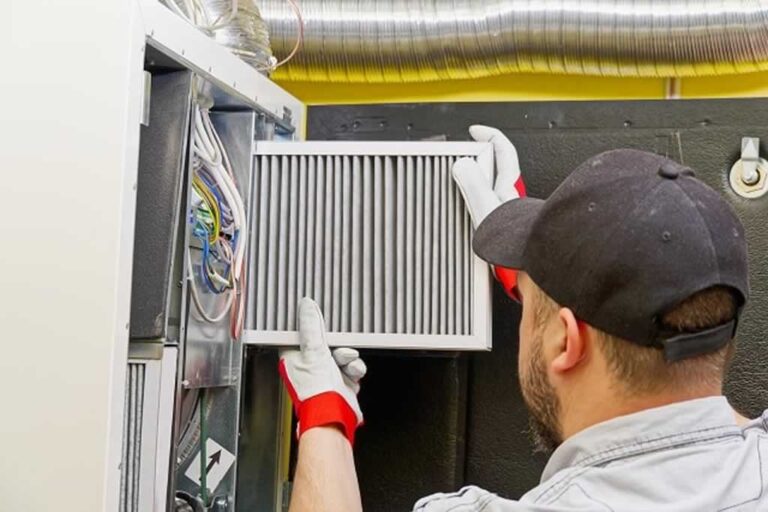
In addition to choosing the right size and type, you should also choose the right filtration if you have pets. Selecting the system with the right filtration features, you can minimize pet dander and allergens circulating in the indoor air, especially if you have loved ones suffering from allergies and asthma.

The HVAC professional can help in determining a cooling and heating system with proper filtration features before installation. It is recommended to find a unit with integrated purifying features to improve air quality.
Choose the Right Fuel Source
It is another vital factor in selecting an HVAC system for your home. Consider the fuel source, including electric, oil or gas, for your furnace. When choosing, you should look into the pros and cons along with the cost of each. For one, gas and electricity can be cheaper unlike oil needing change often to keep the system running well, but then oil can be a better option regarding efficiency. So in all cases, you should create an initial cost budget and calculate monthly operation cost before deciding on the fuel source.
Consider the Budget of the Homeowner
You must consider the upfront installation and estimated monthly cost on cooling and heating. In all cases, you must follow your budget, and avoid overspending on the unit. Otherwise, finishing the HVAC installation on time can be hard if you have to borrow money to complete a too large installation.
Final Thoughts
New homes and remodels are worth the effort especially if you can make the right decision in choosing the HVAC system according to the size and type your home needs. Also, consider the filtration system and fuel source. But if you think these are overwhelming to decide on, call air conditioning companies to help you pick the correct unit to install in your new home or remodel.