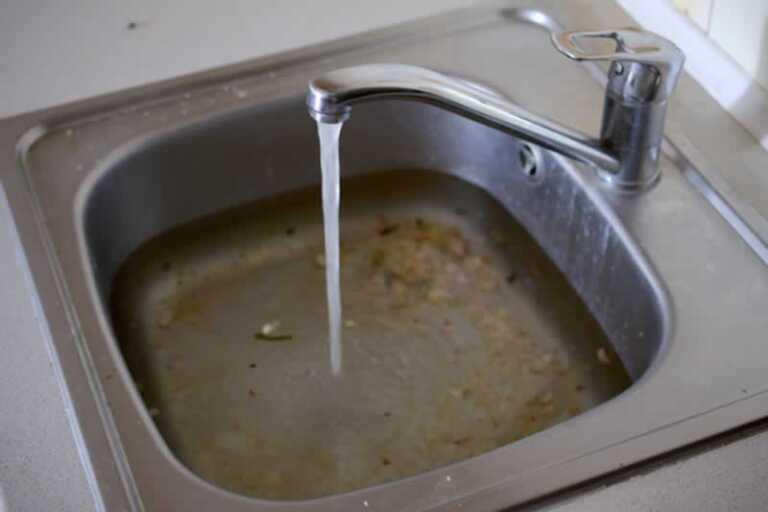

The bathroom sink has been draining slowly for a week. You remove the stopper, pull out a clump of hair, and rinse away the buildup. Water seems to flow better, so you put everything back together. Two days later, the kitchen sink starts draining slowly. Then you notice water lingering around the bathtub drain.
At first, these problems seem unrelated. After all, the fixtures are in different rooms. But before taking apart another drain, it is worth checking what is happening elsewhere in the house.
Your home’s drains are connected through a network of pipes, and a restriction farther along that network can affect more than one fixture. Sometimes the problem is a simple clog near a sink. Other times, the symptoms point to a shared section of plumbing that cannot be reached by cleaning an individual trap.
The useful first step is not another repair. It is figuring out which drains are affected and what their behavior might tell you.
The First Drain You Notice May Not Be the Source of the Problem
A slow sink naturally draws attention to the plumbing directly underneath it. The trap is accessible, and cleaning it seems like a reasonable place to start.
That approach can work when the obstruction is limited to one fixture. However, it becomes less useful when other drains begin showing similar symptoms.
Why a Clean Sink Trap Doesn’t Tell the Whole Story
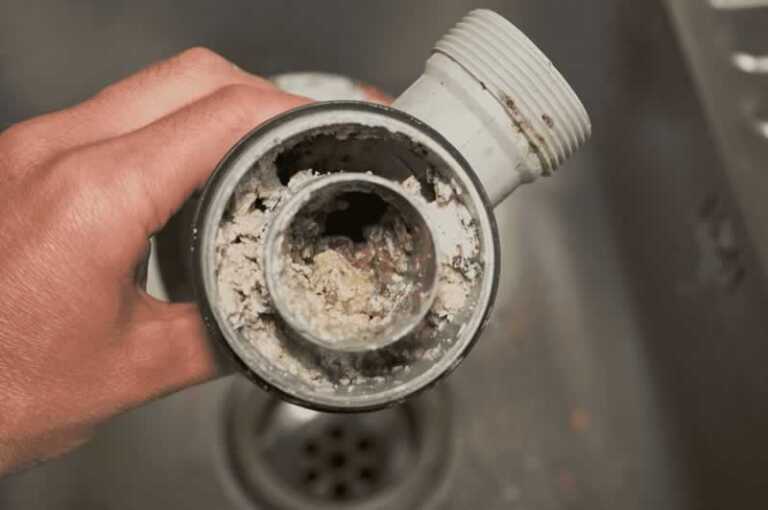
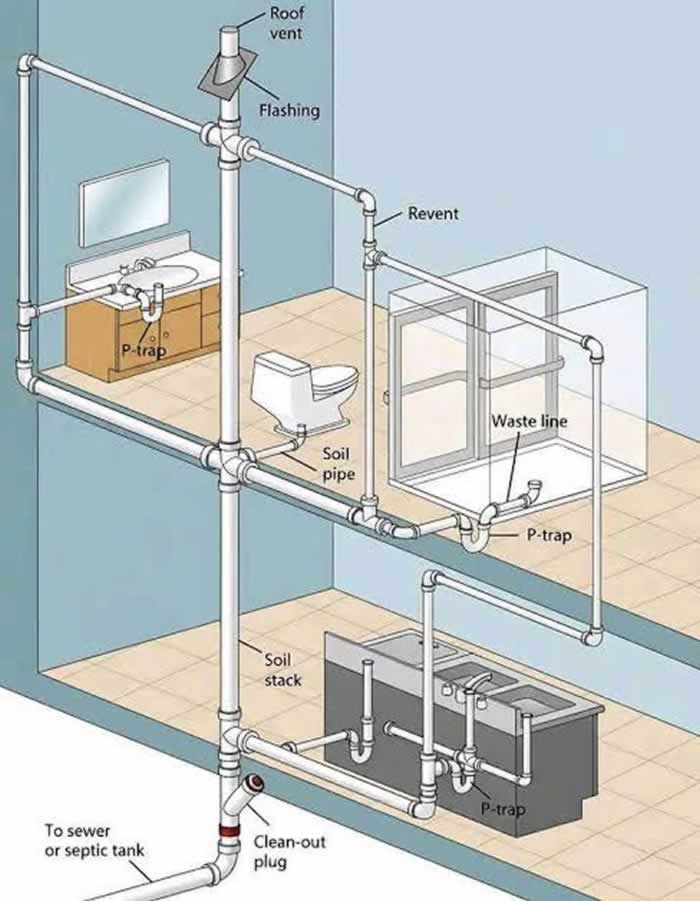
The curved pipe beneath a sink, commonly called a P-trap, holds water to help prevent sewer gases from entering the room. Its shape also makes it a place where hair, soap residue, and other debris can accumulate.
Cleaning an accessible trap may restore drainage if the obstruction is inside it. But a clean trap does not prove that the rest of the drain line is clear.
Water leaving the trap travels through additional piping before reaching a larger drain. If that downstream section is partially blocked, the sink may continue draining slowly even after the trap has been cleaned.
Repeatedly removing the same trap will not resolve a restriction located farther along the pipe.
How Fixtures in Separate Rooms Can Share Drainage Pipes
Think of your drainage system as a network of smaller roads joining larger ones. Individual fixtures connect to branch drains, which eventually feed into larger drainage piping. In a home connected to a municipal sewer, wastewater ultimately leaves through the building sewer.
Homes with septic systems use a different arrangement beyond the building’s drainage outlet. The exact layout varies with the home’s design, age, and plumbing alterations. Two bathroom fixtures may share a branch drain. A kitchen sink and a bathtub might connect farther downstream, depending on how the pipes were installed.
This matters because a restriction can affect every fixture that relies on the obstructed section. The fixtures do not necessarily need to be next to each other.
Make a Simple Record of What’s Happening Around the House
Before reaching for a wrench, spend a few minutes organizing what you already know. You do not need to understand the entire plumbing system or conduct elaborate tests. Ordinary observations can help distinguish an isolated fixture problem from a possible shared drainage issue.
List Which Fixtures Are Slow and When the Symptoms Began
Start by writing down the drains that have been giving you trouble. Include the kitchen sink, bathroom sinks, bathtub, shower, laundry drain, and toilets where relevant. Note whether each fixture is draining normally, slowly, or not at all.
Also record when you first noticed the problem. For example, perhaps the upstairs bathroom sink became sluggish several weeks ago, while the downstairs shower started draining slowly yesterday. That timeline is more informative than simply reporting that the house has clogged drains.
Do not assume that two slow fixtures have the same cause. A bathroom sink can have a local hair blockage while a kitchen sink has an unrelated buildup of grease. The goal is to identify a pattern, not force every symptom into one explanation.
Notice Problems During Normal Plumbing Use
Some drainage issues become noticeable only when another fixture is being used.
You might hear a nearby drain gurgle when someone flushes a toilet. A shower might drain normally most mornings but struggle when wastewater from another fixture is entering the system.
These observations can be useful because they suggest that the fixtures may be influencing one another through connected piping.
Gurgling alone does not establish whether the problem is a blockage or a venting issue, and neither sound nor drainage speed can identify the exact location of a restriction.
Important: If you notice wastewater rising from another drain, sewage odors accompanied by backing up, or multiple fixtures struggling to empty, stop using the affected plumbing. Do not keep flushing toilets or running appliances to test your theory.
What the Pattern Can Tell You—and What It Can’t
The location and timing of drainage problems can narrow the possibilities, but they cannot replace an inspection. Understanding the causes of slow drains can help homeowners distinguish possible fixture-level problems from restrictions involving shared plumbing.
Napa County Public Works likewise treats slow drainage affecting toilets, showers, and sinks as a problem that may lie in public or private piping, reinforcing that symptoms alone do not establish the location.
When Problems Stay Within One Bathroom
Suppose the bathroom sink and bathtub drain slowly, but the kitchen and laundry fixtures appear unaffected. One possibility is a restriction in piping shared by the bathroom fixtures.
However, the symptoms could also result from separate local clogs, and the location of the fixtures alone does not prove that they share a particular branch. Older homes and remodeled bathrooms can have plumbing arrangements that are not obvious from the room layout.
If the symptoms appeared together, note that timing for the plumber instead of assuming a specific pipe is blocked.
When Fixtures on Different Floors Are Affected
Slow drainage on different floors deserves closer attention, especially when the symptoms develop around the same time. A restriction in a larger shared drain or building sewer may affect several fixtures. However, multiple slow drains do not automatically mean the main sewer line is blocked.
Which fixture shows trouble first depends on the pipe routing, the fixture’s elevation, and how restricted the downstream line is. A lower-level shower or floor drain may be particularly vulnerable to wastewater backing up when a downstream obstruction prevents normal flow.
If wastewater begins returning through a low fixture, treat the situation as a potential sewage backup rather than an ordinary slow drain.
Why Symptoms Alone Cannot Identify the Exact Blockage
Several plumbing problems can produce similar symptoms. A partially obstructed branch drain, a restriction farther downstream, a venting problem, or deteriorated piping can produce overlapping symptoms.
That is why drain speed and gurgling cannot pinpoint the blockage or establish its cause. A qualified plumber can inspect accessible piping and use a drain camera when the symptoms justify it. Not every slow drain requires a camera inspection.
Avoid Turning a Drainage Problem Into an Unnecessary Repair
DIY plumbing repairs can be satisfying, particularly when the problem is easy to reach and the solution is straightforward.
But when several drains are affected, repeatedly dismantling fixtures can waste time and introduce new problems without addressing the restriction.
When Cleaning a Stopper or Trap Makes Sense
If a single bathroom sink drains slowly while other fixtures work normally, checking the stopper for trapped hair or debris is a sensible first step. Cleaning an accessible trap may also help, provided you understand how to remove and reinstall it safely.
Place a container underneath before loosening any connections, and remember that the trap contains water. After reassembly, check carefully for leaks. If the pipes are corroded, brittle, difficult to access, or previously repaired with questionable fittings, leave the disassembly to a professional.
And if other fixtures are backing up, avoid dismantling a trap that may release accumulated wastewater.
Why Repeated Snaking and Chemical Cleaners Can Be the Wrong Approach
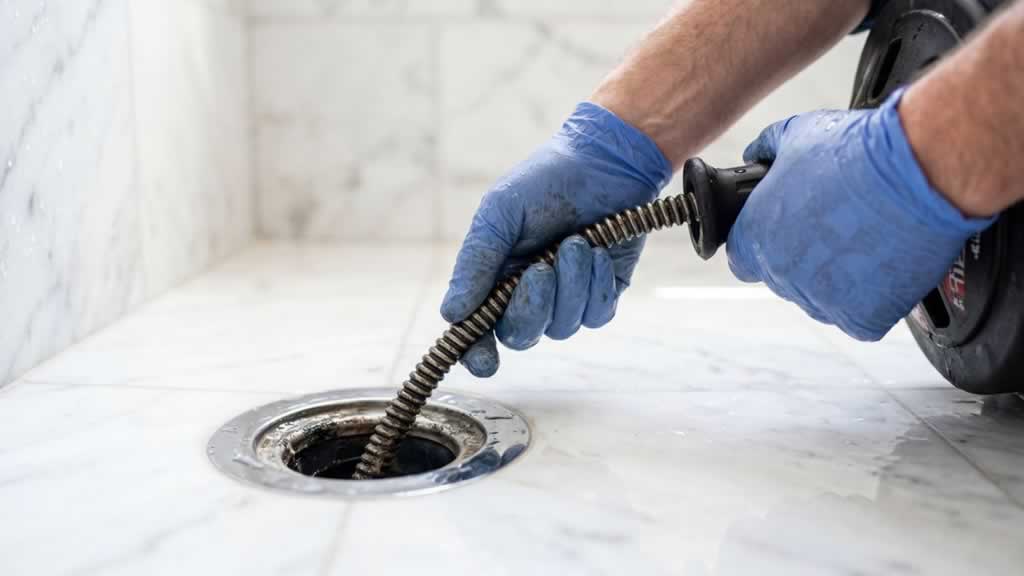
A small hand-operated drain snake can be useful for certain localized obstructions. It is less useful when the actual problem lies in a larger shared pipe. Improperly using a drain snake can also damage fittings or create difficulties if the cable becomes stuck.
Chemical drain cleaners present additional concerns. Some contain highly caustic substances that can cause serious burns and create hazards for anyone who later opens the plumbing. OSHA has documented serious eye and facial burns from sodium hydroxide drain cleaner.
Never mix chemical cleaners with other cleaning products. CDC warns that mixing bleach or disinfectants with other cleaners can release dangerous vapors. Tell a plumber if chemicals have already been poured into a drain.
When the affected section of plumbing is uncertain, adding chemicals or repeatedly forcing tools into individual drains is not a reliable diagnostic strategy.
What to Leave Undisturbed Until the Problem Is Identified
Avoid opening a main sewer cleanout when you suspect wastewater has backed up behind it. Napa County Public Works explains that a cleanout can serve as an overflow point during a plugged sewer line, so removing or disturbing a cap during a backup can expose you to sewage.
Likewise, do not climb onto the roof to investigate a plumbing vent simply because a drain is gurgling. Roof access, pressurized or backed-up wastewater, and unfamiliar drain connections introduce risks that are unnecessary for a homeowner’s initial assessment.
The most useful DIY contribution may be gathering accurate information and knowing when to stop.
Give the Plumber Better Information Before the Inspection
Calling a plumber does not mean your observations were wasted. A short, organized description of the problem can help the technician identify which parts of the system need attention and what diagnostic steps may be appropriate.
Explain Which Drain Slowed Down First
Instead of saying, “All the drains are bad,” describe how the problem developed.
For example:
“The upstairs sink started draining slowly last week. Yesterday, we noticed the bathtub was taking longer to empty. The kitchen sink still seems normal.”
That description establishes a timeline, identifies the affected fixtures, and avoids presenting a suspected cause as a confirmed diagnosis. Mention unusual sounds, odors, visible backups, and whether symptoms occur during normal use of another fixture.
Mention Previous Cleaning, Repairs, and Recurring Symptoms
If you cleaned a trap, used a drain snake, or had a drain professionally cleared, explain what was done and whether it helped. If an obstruction returns shortly after clearing, tell the plumber how quickly it returned. Recurring trouble may call for checking the line or pipe condition rather than simply repeating the same clearing.
If you have documentation from previous plumbing work, it may help establish which drain sections have been serviced. Also tell the plumber about any chemical drain cleaners used, even if they did not improve the problem. That information is important for worker safety.
Understand When a Professional Inspection Is Necessary
A slowly draining sink without other symptoms is not necessarily an emergency. However, several fixtures becoming slow together, recurring backups, or wastewater appearing in another fixture justify professional attention.
Actual sewage backing up into living areas requires more immediate action. Stop using water, keep people and pets away from contaminated areas, and contact an appropriate plumbing or sewer-service professional.
The City of Wentzville’s sewer backup guidance explains how blockages in private service lines or public sewers can cause wastewater to return through household drains.
If you suspect a problem involving the public sewer, contact the local wastewater utility before assuming who must repair it. Local rules differ: Wentzville places maintenance of its described private service line on the owner through the connection to the city main, while Napa County’s Berryessa district divides responsibility at the property-line cleanout.
CDC advises people not to enter standing water to reach electrical equipment and to avoid water that may contain sewage. Where sewage and electrical equipment are close together, stay out of the affected area and seek qualified assistance.
Fix the Right Problem Before Repeating the Same Repair
A slow drain can look like a problem limited to the fixture directly in front of you. Sometimes it is. A stopper filled with hair or a trap packed with debris can cause a localized drainage problem.
When another fixture develops the same symptom, look beyond the first drain. Note which drains are affected, when the problems started, and whether symptoms occur together. Avoid unnecessary disassembly or repeated chemical treatments before the likely source has been narrowed down.
You do not need to diagnose the entire plumbing system yourself. Careful observations can help make the repair more targeted and help you explain the problem accurately when professional assistance is needed. Before taking apart another sink, check what the drains you haven’t touched are telling you.