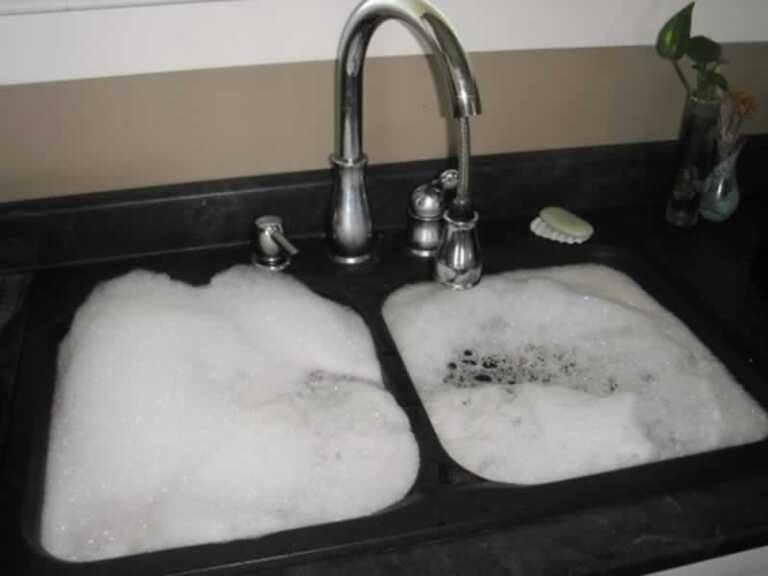

Believe it or not, you can clean clogged drains in just 10 minutes. However, you need to do an initial cleaning and use specific methods to prevent problems from occurring in the future.

Causes of Smelly Drains
There are several reasons why your drains may be emitting an unpleasant odour. Over time, the drains take a beating, and all kinds of nasty matter build-up to clog them and cause smells.
Old pipes
Old pipes can contribute to several plumbing problems in your home, such as leaks and blockages.
Sewer gases
Sewer gases are a mix of gases that can be produced by the breakdown of organic matter.
Food and organic buildup
Food scraps, grease, and other organic matter accumulate in your pipes to form a blockage.
Mould
Mould can grow in your drains, especially if they are clogged with organic matter or debris.
Remove Potential Drain Clogs
There are a few ways to remove potential drain clogs. And depending on what’s down there, you will need various equipment. You should have the following things on hand:
- Goggles or glasses that protect your eyes
- A plunger and a drain snake
- Elbow-length disposable gloves
- Baking soda (or bicarbonate of soda)
- Soda crystals
- White vinegar
- A kettle for boiling water.
- Something to deposit what you find
Anything you find in your drains is potentially hazardous. So you need to take precautions. Rubber gloves, goggles and somewhere (like a bucket) to remove what you find will help.

Get Rid of Odours
Once the buildup is gone from your drains, it’s time to empty them out and banish any lingering smells that are making your home intolerable. Don’t worry. It’s easier than you think.
Use vinegar, baking soda and hot water
With vinegar, baking soda, and hot water, you can make a natural drain cleaner that works well and it’s very effective for unclogging kitchen sink drains. It’s easy to mix and use when done carefully. So, here’s what you need to do:
- Put a pot of water on the stove to boil.
- Put 250ml of baking soda down the drain.
- Then add a half cup of white vinegar. It’s normal to see some fizzing and bubbling.
- Put a plug or a rag over the drain to keep the mixture in the pipe.
- Let the mixture sit for at least 30 minutes or, if you can, even a whole night.
- To flush out the mixture, take out the plug and pour the boiling water down the drain.
This method can help get rid of organic matter and other debris that might be causing your drain to get clogged or smell bad. It is a safe and natural way to clean drains over chemicals.
Use a biological cleaner
Good biological cleaners break down organic matter in your drains by using naturally occurring bacteria and enzymes. This can help prevent future clogs and get rid of any remaining smells.
Help Prevent Future Clogs, Smells and Buildup
Preventing future clogs, smells, and buildup in your plumbing system can help maintain the efficiency of your pipes and prevent costly repairs further down the line.
Use drain screens
Screens are things that you put over the drains of your sink or shower to catch hair and scum.
Never pour grease down the drain
Grease and oil can harden and stick to the inside of pipes, causing bad smells and blockages.
Use baking soda, vinegar and hot water method regularly
Use the baking soda, vinegar, and hot water method on a regular basis to prevent smells.
Maintain drains, taps and stoppers
Every week, clean the plugs to keep your plumbing from getting clogged with organic matter.
When You Need Plumbing Repair
You can treat and keep your drains clean with some ongoing maintenance. However, if the problem persists and if you need further advice, a plumber is just a phone call away to diagnose and address any underlying issues and provide professional treatments.