

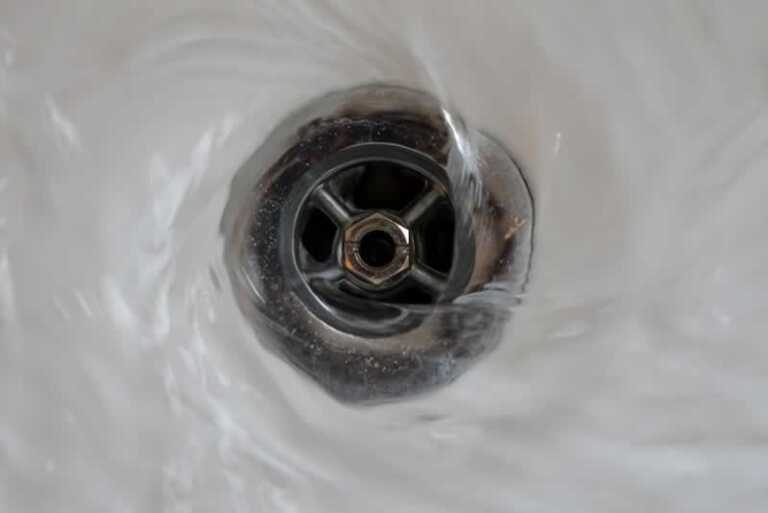
Few people haven’t dealt with a clogged drain at some point. It’s not necessarily a dangerous problem, but it’s certainly frustrating. If a sink drain is clogged, it’s important that you start unclogging it immediately because you can’t use that sink until the problem is resolved. If the problem is in a bathtub drain, it can be incredibly disruptive. Of course, there’s always a chance that the offending plumbing fixture could overflow and cause even more issues if it’s not taken care of.

Besides that, when clogged drains leave water standing in a sink or tub, they tend to give off less-than-pleasant odors that waft throughout your house.
Resolving a Clogged Drain
Though clogged drains can be a hassle, they can be resolved. If you’re uncomfortable with trying to fix the problem on your own or nothing you try seems to work, don’t hesitate to call in professional plumbers Idaho for help. Otherwise, there are a few measures you can try on your own to get the drain back in working order. Take a look at this step-by-step guide for remedying clogged drains.
Step 1: Take a Closer Look
Before diving into any do-it-yourself solutions, take a closer look at the problem. If it’s a kitchen sink, grease or food particles may be the culprit. In a bathroom drain, hair may be a more likely suspect. Different types of clogs may require different measures.
Step 2: Remove Standing Water
Once you’ve evaluated the issue, it’s time to proceed. If there’s standing water in the sink, bail out as much of it as possible using a cup or bowl. That’ll give you a better look at the clog. It’ll also make further actions easier and more effective. It’ll reduce the likelihood of splashing nasty, foul-smelling water all over yourself and your kitchen or bathroom too.
Step 3: Try a Plunger
With an emptier sink, you can begin by trying a standard toilet plunger. Cover the drain opening completely with the plunger to create a tight seal. Use the plunger just as you would to unclog the toilet. The pressure it creates could be enough to dislodge the clog. A plunger can work on different types of clogs, so it’s a versatile solution.
Step 4: Use a Drain Snake
If your clog doesn’t budge with a plunger, you could try a drain snake. It may grab the materials blocking the drain and drag them out or at least break them up. Insert the snake into the drain and turn the handle several times. Then, slowly pull it out of the drain. Run hot water down the drain afterwards.

Step 5: Boiling Water
For clogs made up of congealed grease, soap scum, and food particles, boiling water may be all you need to solve the problem. Just bring a sizable pot of water to a rolling boil and pour it into the affected drain. That may melt the grease and free up the clog. You may need to repeat this a few times for full effectiveness.
Step 6: Baking Soda and Vinegar
If boiling water doesn’t remove the blockage, you could try a mixture of baking soda and vinegar. Pour about half a cup of baking soda into the clogged drain. Then, heat about a cup of white vinegar in the microwave for a minute or so and pour it onto the baking soda. Quickly cap a bowl over the drain and stand back. There will be a few seconds of excitement as the baking soda and vinegar mixture fizzes and bubbles. That chemical reaction could dissolve the clog. Wait about 15 minutes or so, and flush the drain with hot water to find out if it worked.
Keeping Your Drains Flowing Freely
Clogged drains are common, but they can be resolved. Using one of the measures listed here or a combination of them can get your drains flowing freely again. If these strategies for unclogging your sink drain don’t work, don’t hesitate to reach out to a professional plumber for help.


This informative guide on resolving clogged drains provides practical steps for homeowners to tackle common plumbing issues. The step-by-step approach, from identifying the problem to utilizing DIY solutions like plungers and drain snakes, offers valuable insights. The reminder to seek professional help if needed adds to the completeness of the guide. Great advice!